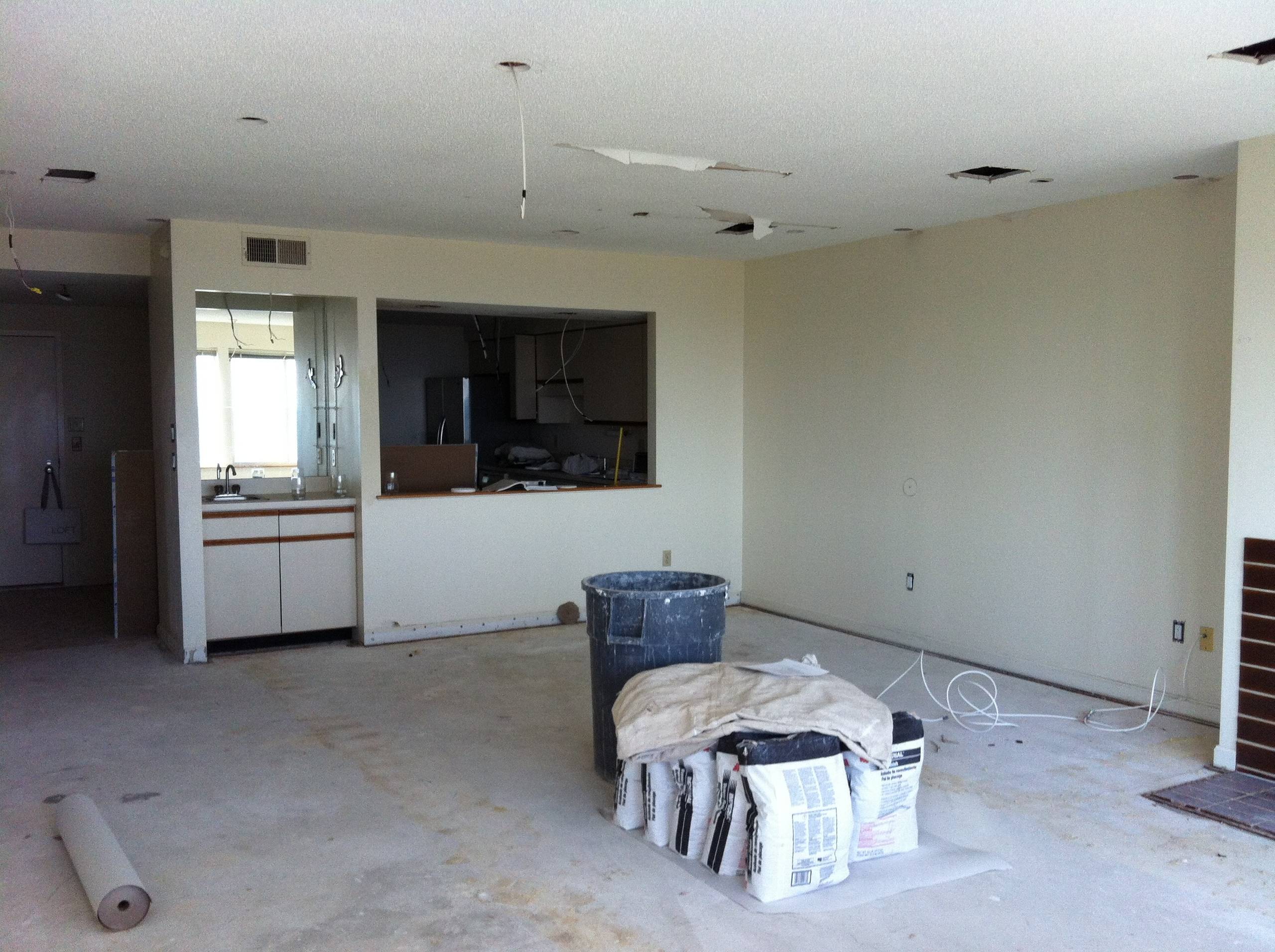
Explaining the Process of Flood Restoration in Biscayne Park
Flooding is one of the most disruptive problems property owners in Biscayne Park can face. Whether caused by heavy rain, plumbing failures, storm runoff, or drainage issues, floodwater can spread quickly and affect flooring, walls, insulation, and structural components. While removing standing water is often the first priority, full flood restoration involves several important steps to ensure a home is properly dried, cleaned, and restored.
What Flood Restoration Means
Flood restoration is the complete process of returning a property to a safe and dry condition after water intrusion. It includes more than just removing water. Moisture often spreads into areas that are not immediately visible, such as wall cavities, subfloors, and insulation.
Flood restoration typically involves:
- Water removal and extraction
- Moisture detection and monitoring
- Structural drying
- Cleaning and sanitation
- Repair or replacement of damaged materials
In coastal regions like Biscayne Park, where humidity is high, careful drying and monitoring are especially important.
Why Flooding Happens in Biscayne Park
Several local conditions make flooding more common in Biscayne Park and nearby communities such as Miami Shores, North Miami, and Aventura.
Heavy rainfall and seasonal storms
South Florida storms can produce intense rainfall in a short time, overwhelming drainage systems.
Low elevation in some areas
Certain neighborhoods are more prone to water pooling during heavy rain.
Saturated soil and high groundwater
When the ground is already wet, additional rainwater may not drain efficiently.
Aging plumbing or drainage systems
Older infrastructure can increase the risk of leaks and backups.
These factors make flood restoration an important part of long-term property maintenance.
Step 1: Initial Inspection and Damage Assessment
The first step in flood restoration is a detailed inspection of the property. This helps determine how far water has spread and which materials are affected.
An inspection may include:
- Checking flooring, walls, and ceilings
- Inspecting cabinets and built-in structures
- Examining HVAC systems and ductwork
- Measuring moisture levels in structural materials
Because water can travel along framing and beneath flooring, damage may extend beyond the visible wet areas.
Professionals familiar with coastal environments understand how humidity affects drying and often use moisture detection tools to identify hidden damp areas.
Step 2: Water Removal and Extraction
Once the extent of flooding is understood, the next step is removing standing water. Specialized extraction equipment is used to remove as much water as possible from floors, carpets, and affected surfaces.
This step is important because:
- Removing water quickly reduces structural damage
- Faster extraction lowers the risk of mold growth
- Drying becomes more effective when less moisture remains
Even small amounts of remaining water can prolong drying in humid climates, so thorough extraction is essential.
Step 3: Structural Drying and Dehumidification
After water removal, the focus shifts to drying building materials and the surrounding air. This stage often takes several days, depending on the extent of flooding and humidity levels.
Drying typically involves:
- Air movers to circulate air across wet surfaces
- Dehumidifiers to remove moisture from the air
- Monitoring equipment to track drying progress
In Biscayne Park, high humidity can slow evaporation, making professional drying equipment particularly important.
Companies such as Tip Top Water and Fire Damage Restoration often use moisture mapping to ensure all affected areas are drying properly.
Step 4: Moisture Detection and Monitoring
Drying is not complete until moisture levels return to normal. During the restoration process, technicians monitor affected materials to confirm that drying is progressing as expected.
Monitoring helps:
- Identify areas that require additional drying
- Prevent hidden moisture from remaining in walls or subfloors
- Reduce the risk of mold growth
This step is especially important in coastal environments where humidity can cause moisture to linger.
Step 5: Cleaning and Sanitation
Floodwater may contain contaminants, debris, or residue that must be removed. Cleaning affected surfaces helps restore indoor air quality and prevent odors.
Cleaning may include:
- Surface cleaning of walls and floors
- Treatment of affected materials
- Removal of debris and residue
Carpets, padding, or insulation that cannot be fully cleaned may need replacement.
Step 6: Repairs and Restoration
Once drying and cleaning are complete, repairs can begin. Restoration work may include:
- Replacing damaged drywall or insulation
- Repairing flooring or baseboards
- Repainting affected surfaces
- Restoring cabinets or trim
The goal is to return the property to its pre-damage condition while ensuring that all moisture has been removed.
The Risk of Mold After Flooding
One of the most important reasons flood restoration must be thorough is the risk of mold growth. Mold can develop quickly in damp environments, especially in warm coastal climates.
Mold risk increases when:
- Moisture remains in insulation or drywall
- Humidity levels stay high
- Drying is delayed
- Ventilation is limited
Proper drying and monitoring significantly reduce this risk.
HVAC Systems and Flood Damage
HVAC systems can also be affected by flooding. Moisture inside ducts or air handlers can circulate odors and particles throughout a home.
Potential concerns include:
- Water entering ductwork
- Mold developing in duct insulation
- Reduced airflow efficiency
- Odors circulating through vents
Inspection and cleaning of HVAC systems may be necessary to restore indoor air quality.
Lessons Learned from Local Properties
Real situations from homes in Biscayne Park reveal several common patterns:
Water spreads farther than expected
Moisture often travels into adjacent rooms and walls.
Drying delays increase repair costs
Homes dried quickly usually required fewer repairs.
Hidden moisture is the biggest concern
Walls and subfloors often retain water longer than visible surfaces.
Humidity control is essential
Stable humidity helps prevent mold and structural damage.
These observations highlight the importance of a thorough restoration process.
Practical Steps to Reduce Future Flood Damage
While flooding cannot always be prevented, property owners can reduce risk with regular maintenance.
Helpful steps include:
- Inspecting roofs and flashing regularly
- Keeping gutters and drainage systems clear
- Monitoring plumbing systems for leaks
- Checking appliances and supply lines
- Addressing minor leaks promptly
Preventive maintenance often prevents small problems from becoming major restoration projects.
Why Local Experience Matters
Flood restoration in coastal South Florida requires an understanding of local climate conditions, building materials, and moisture behavior. Homes in Biscayne Park and nearby areas face constant humidity exposure and seasonal storms that influence drying and restoration methods.
Professionals familiar with local conditions understand:
- How humidity affects drying times
- Where water commonly accumulates in local homes
- Which materials are most vulnerable to moisture damage
- How ventilation systems perform in humid environments
This knowledge helps ensure restoration is thorough and long-lasting.
A Practical Next Step for Property Owners
Flooding can be stressful, but understanding the restoration process helps property owners respond quickly and effectively. If water enters a home, having the property inspected and dried promptly helps prevent mold growth and structural damage.
Working with experienced restoration professionals such as Tip Top Water and Fire Damage Restoration helps ensure that both visible water and hidden moisture are properly addressed. With timely action and regular maintenance, homeowners in Biscayne Park and nearby coastal communities can protect their properties and recover more quickly after flooding.