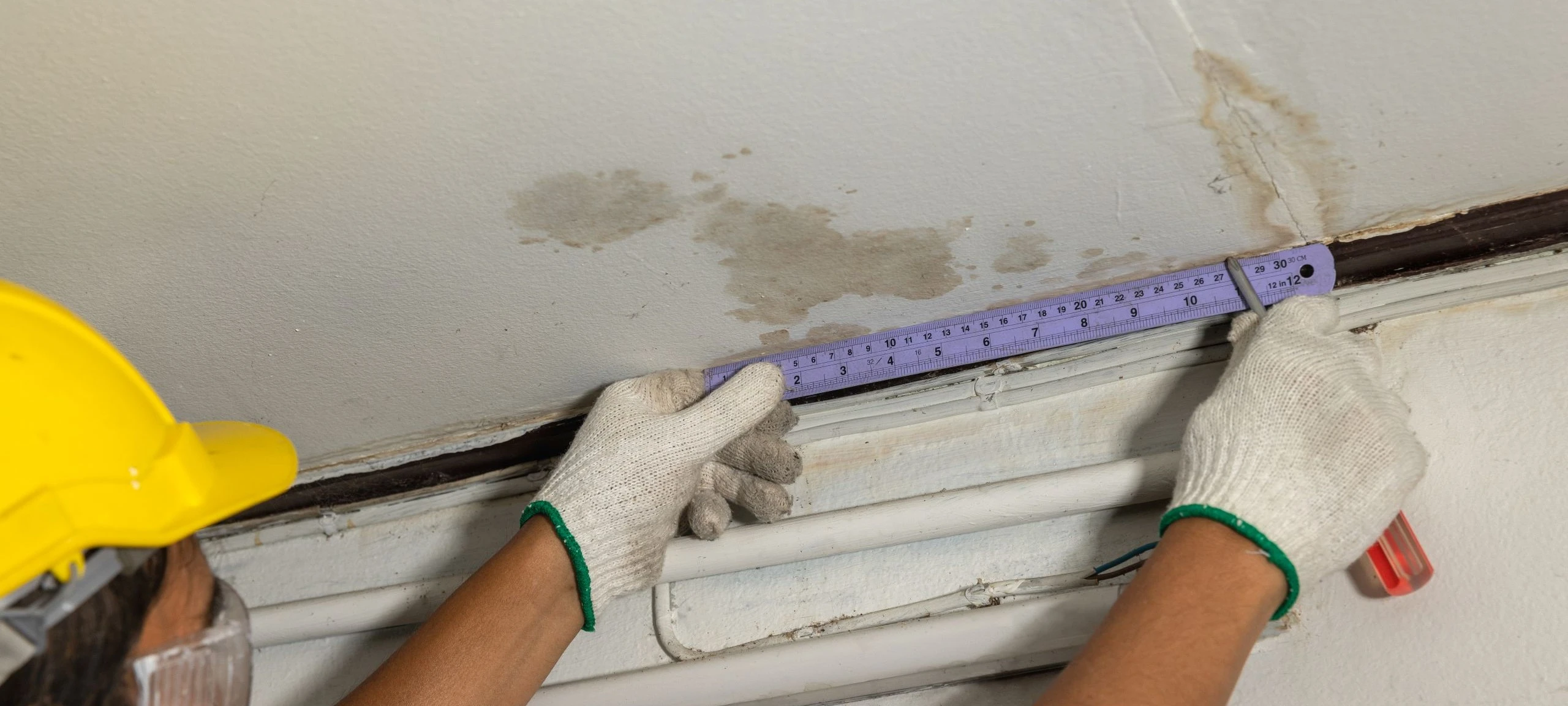
Explaining the Process of Moisture Detection in Bayfront Homes in North Miami
Bayfront homes in North Miami provide unparalleled views and a coastal lifestyle, but they also face unique maintenance challenges due to high humidity, salt-laden air, and proximity to Biscayne Bay. Moisture intrusion is one of the most critical concerns for homeowners, as undetected water can lead to mold growth, structural damage, and reduced indoor air quality. At Tip Top Water and Fire Damage Restoration, we have extensive experience performing moisture detection, water damage repair, and mold remediation in North Miami, North Miami Beach, Sunny Isles Beach, Bal Harbour, Aventura, Miami Shores, Surfside, Biscayne Park, and surrounding coastal neighborhoods. Understanding the process of moisture detection is essential for protecting bayfront properties from hidden water damage.
What Moisture Detection Is
Moisture detection is the professional process of identifying water presence, moisture levels, and potential leaks within a home. Unlike visible water or flooding, moisture can accumulate in hidden areas such as walls, ceilings, crawl spaces, or under flooring. Proper detection is critical because even small amounts of water left unchecked can lead to:
- Mold and microbial growth
- Warping or deterioration of wood and drywall
- Corrosion of metal HVAC components
- Musty odors and poor indoor air quality
Moisture detection is not just about locating current leaks—it also identifies areas at risk, allowing for preventive measures.
Why Bayfront Homes Are Especially Vulnerable
Homes located on or near the bay face environmental conditions that make moisture detection particularly important:
- High Humidity – Bayfront humidity often exceeds 70%, creating an environment where surfaces remain damp and mold can grow rapidly.
- Salt-Laden Air – Coastal salt accelerates corrosion in AC units, ductwork, and building materials, leading to hidden water infiltration points.
- Storms and Tidal Flooding – Tropical storms or high tides can introduce water into basements, crawl spaces, and low-lying areas.
- Older Construction – Many bayfront homes were built decades ago, with aging plumbing, roofing, and insulation that may leak or retain moisture.
- Slab Foundations and Poor Ventilation – Homes built on slabs or with unventilated crawl spaces can trap moisture beneath floors or in concealed cavities.
These factors mean that moisture detection is not optional—it is an essential part of maintaining a safe and healthy property.
Common Signs Homeowners Should Watch For
While moisture is often hidden, homeowners can look for indicators that water may be accumulating in their homes:
- Musty or damp odors in rooms or closets
- Peeling paint, wallpaper, or bubbling finishes
- Staining or discoloration on walls, ceilings, or floors
- Warped wood or soft flooring
- Condensation on windows, pipes, or AC units
Even minor signs warrant a professional inspection, as they may indicate larger hidden issues.
Hidden or Overlooked Sources of Moisture
Moisture can accumulate in areas that are difficult to see, including:
- Crawl Spaces – Ground moisture or poor drainage can allow water to seep upward into the home.
- Attics – Roof leaks or condensation around vents may go unnoticed, yet significantly impact the structure.
- Wall Cavities – Leaks behind drywall can create hidden mold growth if left untreated.
- HVAC Systems – Condensate lines, drip pans, and ductwork can harbor water that spreads throughout the home.
- Under Flooring – Hardwood, laminate, and carpet can absorb water from leaks or condensation, causing damage and odors.
Professional moisture detection uses advanced tools to locate these hidden sources before they cause severe damage.
Why DIY Moisture Detection Often Fails
Many homeowners attempt to identify moisture issues themselves by looking for visible water stains or using basic moisture meters. While these methods may catch obvious problems, they often fall short:
- Limited Detection – Hidden water in walls, floors, or ducts is nearly impossible to locate without thermal imaging or specialized equipment.
- Incomplete Assessment – Humidity levels and minor leaks may go unnoticed.
- Missed Mold Risk – Water left unchecked can quickly lead to microbial growth.
- False Sense of Security – Small puddles or damp areas may appear resolved but continue to affect building materials.
In coastal North Miami, professional moisture detection is the most reliable way to prevent long-term damage.
Tools and Techniques Used in Professional Moisture Detection
Tip Top Water and Fire Damage Restoration uses a variety of advanced techniques to locate and quantify moisture in bayfront homes:
- Moisture Meters – Measure moisture content in wood, drywall, and other building materials.
- Thermal Imaging Cameras – Detect temperature differences caused by moisture behind walls, ceilings, or floors.
- Hygrometers – Measure indoor humidity to assess the potential for mold growth or water accumulation.
- Infrared Scanning – Identifies areas of water intrusion and hidden leaks without destructive testing.
- Air Sampling – Tests for airborne moisture indicators, mold spores, or microbial contaminants.
- Visual Inspection – Complements technological tools by assessing potential entry points such as plumbing, roofing, and AC components.
This combination of tools ensures that both visible and hidden moisture is accurately identified.
The Moisture Detection Process Step by Step
A professional moisture detection process typically includes:
- Initial Assessment – Evaluate the home’s history of water intrusion, construction materials, and environmental exposure.
- Visual Inspection – Check for obvious leaks, water stains, or areas of concern.
- Use of Moisture Meters and Thermal Imaging – Locate hidden moisture in walls, floors, and ceilings.
- HVAC and Plumbing Inspection – Assess AC systems, condensate lines, and plumbing for leaks or water retention.
- Air and Surface Sampling – Test for microbial growth or high humidity conditions.
- Reporting and Recommendations – Provide a detailed report of findings, including high-risk areas and suggested corrective measures.
Following this process ensures a thorough evaluation and sets the stage for effective remediation.
Moisture Repair and Remediation
Once moisture is detected, the next step is repair and remediation to prevent mold and structural damage:
- Leak Repair – Fixing plumbing, roofing, or window leaks that are contributing to water accumulation.
- AC System Maintenance – Clearing condensate lines, repairing drip pans, and ensuring proper drainage.
- Drying and Dehumidification – Using professional equipment to remove moisture from building materials and air.
- Mold Prevention – Treating affected areas to reduce microbial growth potential.
- Post-Repair Verification – Confirming that moisture levels have returned to safe, acceptable ranges.
These steps protect bayfront homes from the long-term effects of hidden water intrusion.
Real-World Observations from North Miami Bayfront Homes
In our experience, several patterns emerge in bayfront properties:
- Attic and Crawl Space Vulnerabilities – Roof leaks or poor ventilation frequently allow hidden water accumulation.
- AC Condensation Issues – Coastal humidity causes condensate overflow, contributing to moisture in surrounding walls and floors.
- Stormwater Intrusion – Homes exposed to tropical storms often develop unseen leaks that lead to damp conditions.
- Aging Plumbing and Roofing – Older homes are particularly susceptible to moisture buildup due to degraded seals or corrosion.
These observations highlight the importance of regular moisture detection as part of preventive property maintenance.
Preventing Future Moisture Problems
Property owners can implement proactive strategies to reduce moisture risks:
- Regularly inspect roofs, windows, and plumbing for leaks
- Maintain AC units, including condensate lines and drip pans
- Use dehumidifiers to maintain indoor humidity below 60%
- Ensure proper ventilation in attics, crawl spaces, and wall cavities
- Schedule routine professional moisture inspections, particularly after storms
Consistent preventive maintenance minimizes hidden water damage and protects both property and health.
Why Local Expertise Matters
North Miami bayfront homes face environmental factors that differ from inland properties:
- High coastal humidity prolongs drying and encourages mold growth
- Salt-laden air accelerates corrosion and material degradation
- Tropical storms and tides increase water intrusion risk
- Older homes often have hidden structural vulnerabilities
Local professionals like Tip Top Water and Fire Damage Restoration understand these conditions and provide tailored moisture detection and remediation solutions.
Calm, Trust-Based Call to Action
Moisture detection in North Miami bayfront homes is critical to preventing mold, structural damage, and indoor air quality issues. Professional inspection, monitoring, and remediation ensure that both visible and hidden moisture problems are addressed effectively. Tip Top Water and Fire Damage Restoration offers the experience, tools, and local knowledge necessary to protect coastal homes and maintain healthy, comfortable living spaces in North Miami and surrounding communities.