Explaining the Process of Moisture Detection in Biscayne Park
Biscayne Park, Florida, is a charming community known for its tree-lined streets, historic homes, and proximity to the coastal areas near Biscayne Bay. While the area provides a beautiful setting for residents, it also presents unique challenges for property maintenance, particularly when it comes to water intrusion and moisture-related issues. High humidity, seasonal storms, aging infrastructure, and AC condensation make homes in Biscayne Park especially susceptible to hidden moisture problems.
Moisture detection is a critical step in maintaining the structural integrity, indoor air quality, and overall safety of properties. Without proper detection and remediation, minor leaks or damp areas can evolve into mold growth, structural damage, or HVAC system contamination. Drawing from real-world observations in Biscayne Park homes, this guide explains why moisture detection is necessary, the methods professionals use, and practical strategies homeowners can implement to prevent future problems.
Why Moisture Detection is Crucial in Biscayne Park
Moisture detection is more than identifying visible water leaks—it’s about uncovering hidden damp areas that can compromise a home over time. Key reasons for prioritizing moisture detection include:
- Preventing Mold Growth: Hidden moisture is the primary contributor to mold colonization, which can affect indoor air quality and occupant health.
- Protecting Structural Integrity: Prolonged moisture exposure can weaken wood, drywall, and flooring, leading to costly repairs.
- HVAC System Safety: Condensation in ducts or units can harbor mold spores and distribute them throughout the home.
- Early Issue Identification: Catching problems before they escalate reduces repair costs and property damage.
- Long-Term Property Maintenance: Maintaining dry, well-ventilated interiors ensures longevity of building materials and comfort for residents.
In Biscayne Park, where humidity is consistently high and storms are frequent, moisture detection is a proactive measure that safeguards homes against long-term damage.
Common Causes of Moisture Problems in Biscayne Park Homes
Real-world observations highlight several common sources of moisture:
1. AC Condensation and HVAC Issues
Air conditioning units generate condensation that can leak into walls, ceilings, or crawl spaces if drainage systems are clogged or faulty.
2. Roof and Window Leaks
Storms, high winds, and aging roofing materials can allow rainwater to seep into attics, walls, or ceilings. Windows and sliding doors may also develop leaks over time.
3. Plumbing Failures
Slow leaks from pipes, faucets, or water heaters are common hidden sources of moisture. Plumbing failures between units in older homes or duplexes often go unnoticed until significant damage occurs.
4. Flooding and Stormwater Intrusion
Heavy rains or rising water levels near Biscayne Bay can infiltrate foundations, basements, and low-lying areas of homes.
5. Poor Ventilation
Bathrooms, kitchens, attics, and crawl spaces that lack proper airflow allow condensation to accumulate, creating damp environments ideal for microbial growth.
Early Warning Signs of Hidden Moisture
Homeowners in Biscayne Park should be vigilant for these indicators:
- Musty or damp odors, especially in closets, basements, or attics
- Warping, bubbling, or staining on walls, ceilings, or floors
- Condensation on windows, walls, or AC components
- Visible mold or mildew in hidden areas
- Stains or discoloration on wood, cabinetry, or baseboards
- Unexplained increases in water bills
Early detection of these signs is essential for timely intervention and long-term property protection.
Professional Moisture Detection Techniques
Moisture detection requires specialized tools and expertise to identify hidden water problems accurately. Professionals typically employ several methods:
1. Visual Inspection
Technicians perform a thorough walkthrough, examining walls, ceilings, floors, attics, crawl spaces, and HVAC systems for visible signs of water damage or condensation.
2. Moisture Meters
Moisture meters measure water content in wood, drywall, and other building materials. Both pin-type meters (penetrating surfaces) and non-invasive meters (surface readings) help identify affected areas.
3. Thermal Imaging
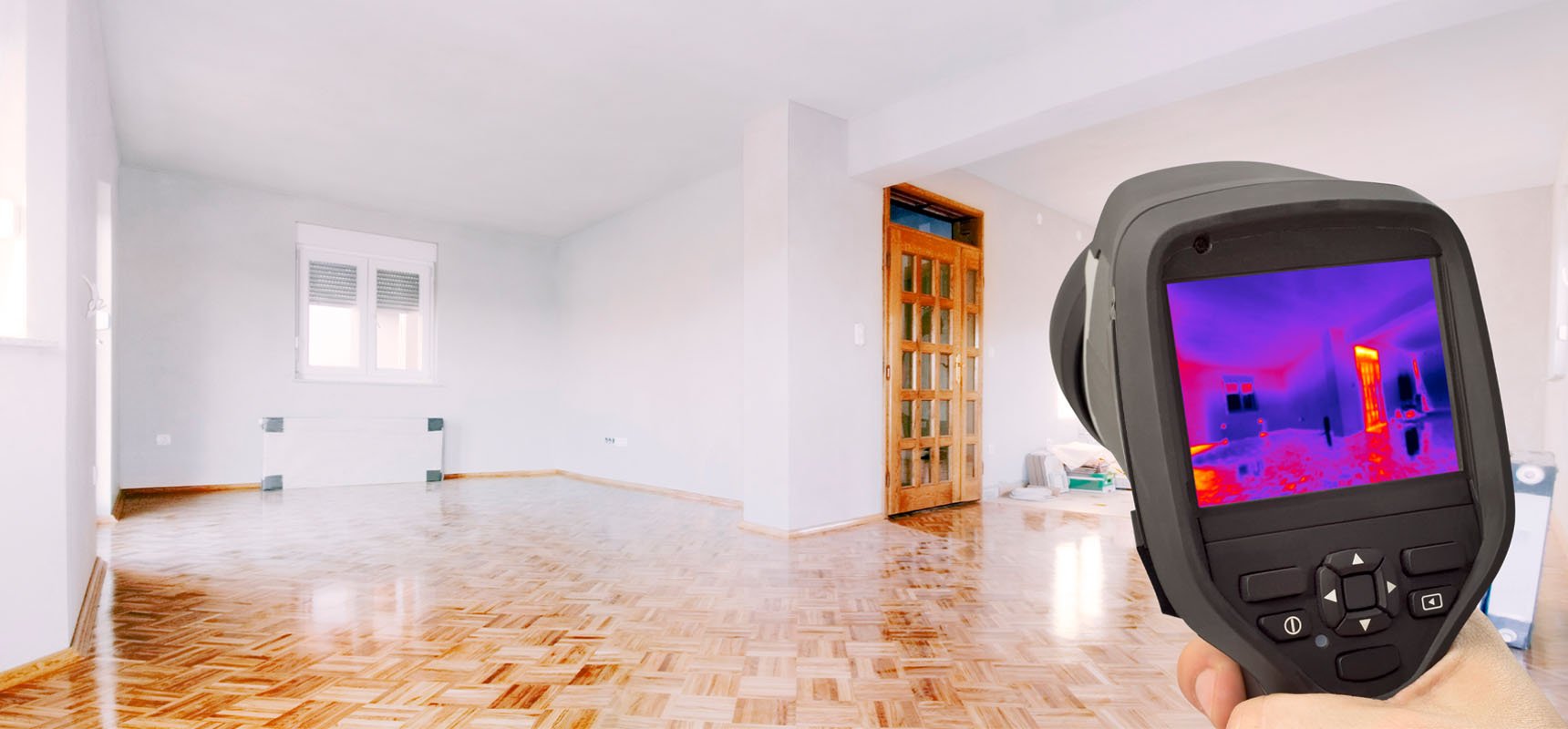
Infrared cameras detect temperature variations caused by moisture behind walls or under floors. Cold or damp spots often indicate hidden water accumulation.
4. Humidity Monitoring
Relative humidity sensors track moisture levels in the air. High indoor humidity, especially in attics, crawl spaces, or basements, can indicate inadequate ventilation or hidden leaks.
5. Endoscopic Inspection
Small cameras inserted into walls, ceilings, or ducts allow technicians to inspect concealed cavities for moisture or mold growth.
6. Water Testing
In some cases, water quality tests or leak tracing may be conducted to determine plumbing or structural sources of moisture.
Step-by-Step Moisture Detection Process in Biscayne Park Homes
Based on real-world observations, the moisture detection process typically follows these steps:
Step 1: Initial Consultation
- Technicians assess the property and discuss potential moisture concerns with the homeowner.
- Areas prone to water intrusion, high humidity, or past leaks are identified.
Step 2: Visual and Physical Inspection
- All accessible areas are inspected for signs of water damage, stains, or warping.
- HVAC units, ductwork, plumbing systems, and attics receive detailed attention.
Step 3: Instrumental Measurement
- Moisture meters and infrared cameras are deployed to detect hidden damp areas.
- Humidity readings provide insight into the overall moisture environment within the home.
Step 4: Targeted Testing
- Endoscopic cameras and surface sampling are used to confirm moisture presence behind walls or under flooring.
- In multi-unit or older homes, shared plumbing and structural cavities are examined for cross-unit moisture transfer.
Step 5: Documentation and Analysis
- Findings are recorded, including moisture levels, affected materials, and risk areas.
- Technicians evaluate the severity of the problem and recommend remediation steps.
Step 6: Remediation Planning
- Based on the assessment, a customized remediation plan is developed.
- Plan may include water extraction, dehumidification, mold remediation, and repair of leaks or faulty AC components.
Long-Term Protection Strategies
After professional moisture detection and remediation, homeowners can adopt preventive measures to reduce future risks:
1. Regular AC and HVAC Maintenance
- Ensure drainage pans and condensate lines are clear.
- Clean coils and ducts to prevent mold and moisture buildup.
- Schedule annual inspections by local professionals familiar with Biscayne Park properties.
2. Monitor Humidity Levels
- Use dehumidifiers in high-humidity areas.
- Maintain indoor humidity between 45–55% to minimize condensation and mold growth.
3. Inspect Roofing, Windows, and Plumbing
- Repair leaks promptly to prevent moisture accumulation behind walls or ceilings.
- Inspect and maintain plumbing lines, especially in older homes or multi-unit buildings.
4. Improve Ventilation
- Install exhaust fans in bathrooms and kitchens.
- Ensure attics and crawl spaces have proper airflow to reduce stagnant, damp air.
5. Periodic Professional Inspections
- Schedule routine moisture assessments, especially after storms, AC maintenance, or plumbing work.
- Early detection prevents costly repairs and mitigates mold or structural damage.
6. Educate Residents
- Encourage residents to report leaks, dampness, or unusual odors immediately.
- Awareness is crucial in preventing minor issues from escalating in both single-family homes and multi-unit properties.
Lessons from Real Properties in Biscayne Park
Experience with local homes reveals key insights:
- Hidden Moisture is Common: Many issues remain undetected until they cause structural damage or mold growth.
- Prompt Action Saves Costs: Early detection and remediation prevent minor leaks from evolving into major repairs.
- Integrated Approach is Essential: Combining visual inspections, instrumental measurements, and preventive maintenance ensures long-term protection.
- Local Expertise Matters: Coastal conditions and older building designs require knowledge of Biscayne Park’s specific environmental challenges.
Benefits of Effective Moisture Detection
Implementing thorough moisture detection strategies provides multiple benefits:
- Protects structural components from long-term water damage
- Reduces risk of mold growth and compromised indoor air quality
- Enhances HVAC efficiency and longevity
- Preserves property value and aesthetics
- Provides peace of mind in a humid coastal environment
Practical Recommendations for Homeowners
- Schedule professional moisture detection inspections annually or after storm events
- Monitor humidity levels and maintain optimal indoor conditions
- Maintain HVAC systems and clean ducts regularly
- Inspect roofs, windows, and plumbing for leaks
- Act immediately upon detecting damp areas or water intrusion
- Follow up with regular monitoring and preventive maintenance
By combining professional moisture detection with proactive long-term strategies, homeowners in Biscayne Park can protect their properties, prevent mold growth, and maintain safe, comfortable living environments.