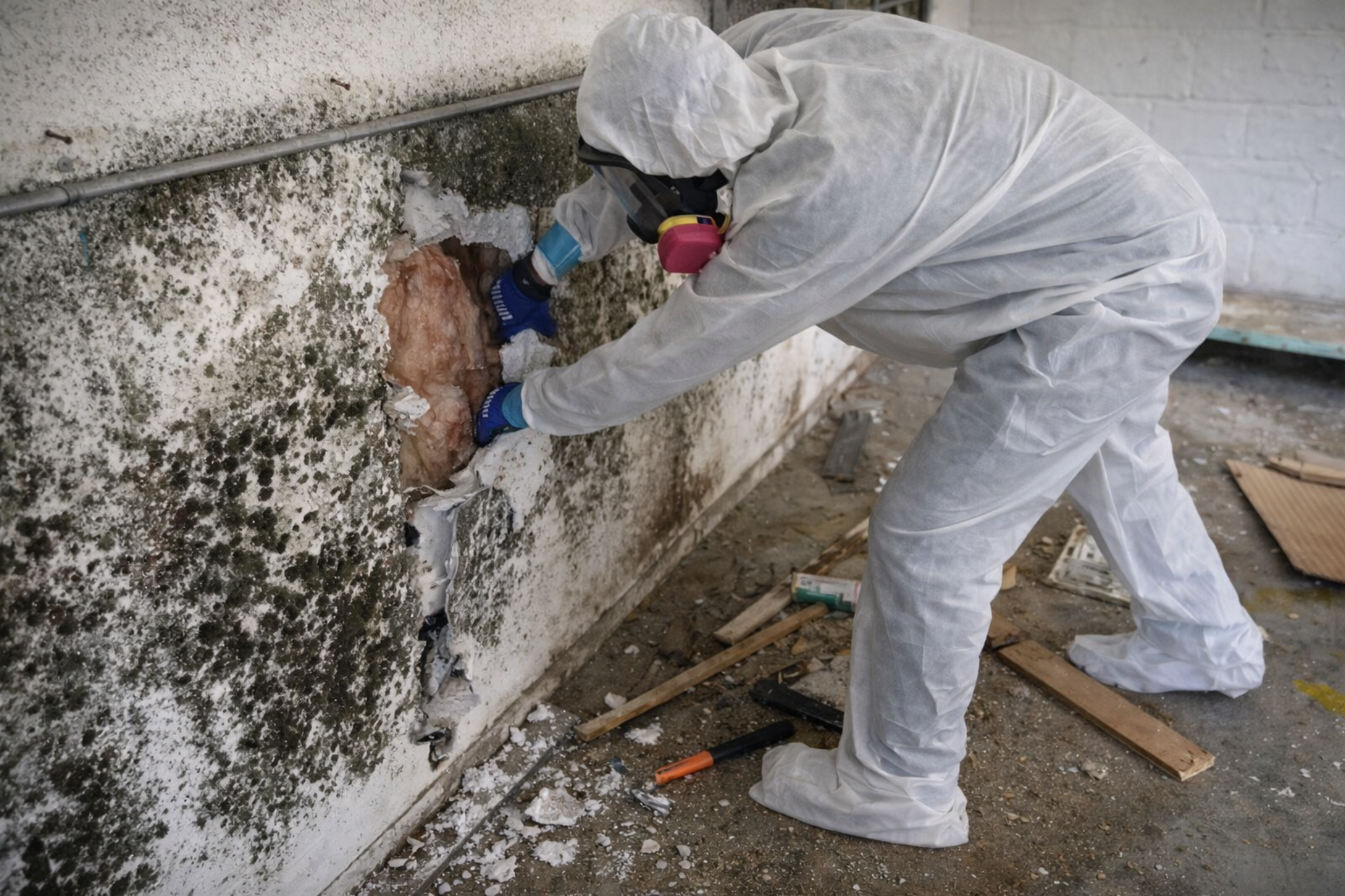
Explaining the Process of Mold Inspection in Coastal Neighborhoods Near Biscayne Bay
Coastal neighborhoods near Biscayne Bay offer stunning views, bayfront living, and close access to the water, but they also bring unique challenges for property maintenance. High humidity, frequent storms, salty air, and older infrastructure can make homes particularly vulnerable to moisture intrusion, which can lead to mold growth if left unchecked.
Mold inspection is a crucial step for homeowners, landlords, and property managers in these areas. It allows hidden problems to be identified early, protects indoor air quality, and informs targeted remediation efforts. This guide provides a comprehensive look at the mold inspection process in Biscayne Bay–adjacent neighborhoods, highlighting causes, detection methods, and practical maintenance strategies.
Why Mold Inspections Are Essential in Coastal Properties
Mold thrives in damp environments, and coastal homes experience moisture challenges year-round. Inspections are essential for several reasons:
- Early Detection: Mold can develop behind walls, under flooring, or in attics long before it is visible. Early identification prevents structural damage and costly remediation.
- Indoor Air Quality Protection: Airborne spores from mold can affect health, particularly for those with allergies or respiratory issues.
- Property Value Preservation: Undetected mold can compromise resale value and complicate real estate transactions.
- Informed Remediation: Understanding the species, extent, and source of mold ensures targeted and effective remediation.
In areas near Biscayne Bay, even small water intrusions from storms, AC condensation, or plumbing leaks can create the perfect environment for mold growth, making inspections a proactive necessity.
Common Causes of Mold Growth in Coastal Neighborhoods
Mold in homes near Biscayne Bay often results from a combination of environmental and structural factors:
1. Coastal Humidity
Year-round humidity in coastal Florida frequently exceeds 70%, creating an environment where moisture is absorbed into walls, ceilings, and flooring.
2. Storms and Heavy Rain
Summer thunderstorms and hurricanes can lead to water intrusion through roofs, windows, or low-lying areas, introducing water into the home.
3. AC Condensation
Air conditioning units generate condensation. Poor drainage, blocked condensate lines, or leaking drip pans can allow this water to seep into walls, ceilings, or ductwork.
4. Plumbing Leaks
Leaking pipes, water heaters, or appliances can create moisture pockets behind cabinets, under floors, or inside wall cavities.
5. Aging Infrastructure
Older homes may have compromised roofing, seals, or insulation, which allows water and humidity to penetrate the structure.
6. Poor Ventilation
Bathrooms, kitchens, attics, and closets with limited airflow are prime areas for mold growth.
Signs Mold May Be Present
Property owners can often detect early indications of mold even before professional inspection:
- Musty or earthy odors in hidden areas such as attics, closets, or basements
- Visible discoloration or growth on walls, ceilings, or baseboards
- Warped, sagging, or buckling flooring
- Bubbling or peeling paint and wallpaper
- Condensation on windows or HVAC ducts
- Increased allergy or respiratory symptoms among residents
Early recognition of these signs allows for timely inspections and reduces long-term damage.
Hidden Mold Sources Often Overlooked
Mold frequently develops in areas that are not immediately visible:
- Wall cavities and behind drywall
- Under carpets, padding, or laminate flooring
- Within HVAC systems, ductwork, or AC units
- Attics with roof leaks or poor ventilation
- Crawl spaces or subfloor areas
Detecting mold in these locations requires specialized tools and professional expertise.
Why DIY Inspections Often Fall Short
While homeowners may attempt visual inspections, DIY methods have limitations:
- Hidden mold may go undetected behind walls or under flooring
- Incorrect sampling or testing can produce false negatives
- Moisture sources may remain unidentified, leading to recurrence
- Improper cleaning or remediation can exacerbate the problem
Professional mold inspections combine knowledge, experience, and equipment to accurately identify and assess mold problems.
The Mold Inspection Process in Biscayne Bay Coastal Homes
A thorough mold inspection typically includes several key steps:
Step 1: Visual Assessment
Inspectors examine the property for visible mold, water stains, discoloration, and structural damage. They check attics, basements, bathrooms, kitchens, and other moisture-prone areas.
Step 2: Moisture Detection
Tools like moisture meters, thermal imaging cameras, and hygrometers detect damp areas behind walls, under floors, and in ceilings.
Step 3: Air and Surface Sampling
Airborne spores and surface samples help identify the species of mold and quantify contamination levels. This information guides remediation strategies.
Step 4: HVAC and Duct Inspection
AC systems and ductwork are examined for condensation, mold growth, and airflow issues, as these can spread spores throughout the home.
Step 5: Reporting and Recommendations
Inspectors provide a detailed report, outlining findings, areas of concern, and actionable recommendations for remediation and preventive maintenance.
Real-World Observations from Local Properties
Local experience shows common patterns in Biscayne Bay coastal homes:
- High-Rise Condos: Shared ductwork and plumbing risers can spread moisture across multiple units.
- Older Single-Family Homes: Roof leaks, plumbing failures, and poor ventilation often contribute to hidden mold.
- HVAC Systems: Condensation and insufficient maintenance frequently lead to microbial growth.
- Ground-Level Flooding: Water intrusion in garages, patios, and lower floors saturates flooring and subflooring, creating ideal mold conditions.
These observations highlight the importance of professional inspections and ongoing monitoring.
Steps Homeowners Can Take to Minimize Mold Risk
While professional inspections are critical, property owners can take proactive steps:
1. Maintain AC Systems
- Clean ducts, drip pans, and condensate lines regularly
- Ensure proper airflow and insulation
2. Inspect Roofs and Plumbing
- Repair leaks promptly
- Check seals, flashing, and roofing materials before storm season
3. Control Humidity
- Use dehumidifiers to keep indoor humidity below 50%
- Improve ventilation in bathrooms, kitchens, and attics
4. Monitor Hidden Areas
- Periodically inspect subflooring, wall cavities, and crawlspaces
- Consider moisture sensors or smart monitoring devices
5. Routine Cleaning
- Wipe surfaces in high-moisture areas
- Maintain carpets and flooring to prevent trapped moisture
6. Educate Residents
- Encourage household members or tenants to report leaks, condensation, or musty odors immediately
The Role of Professional Expertise
Specialized knowledge is essential in coastal neighborhoods. Professionals like Tip Top Water and Fire Damage Restoration provide:
- Comprehensive inspection of walls, flooring, HVAC systems, and hidden cavities
- Moisture detection using advanced tools
- Accurate assessment of mold species and contamination levels
- Guidance on remediation, structural repairs, and preventive strategies
- Assurance that mold growth is addressed safely and effectively
Local expertise ensures that coastal properties are protected against recurring moisture and mold issues.
Conclusion
Homes and condos in Biscayne Bay–adjacent neighborhoods face unique challenges due to high humidity, storm exposure, and aging infrastructure. Mold inspections are critical for identifying hidden growth, protecting indoor air quality, and preventing structural damage.
By combining professional inspections, moisture detection, preventive maintenance, and resident awareness, property owners can effectively manage mold risk in coastal Florida. Early detection, thorough assessment, and targeted remediation ensure that homes near Biscayne Bay remain safe, healthy, and resilient in the face of Florida’s challenging climate.