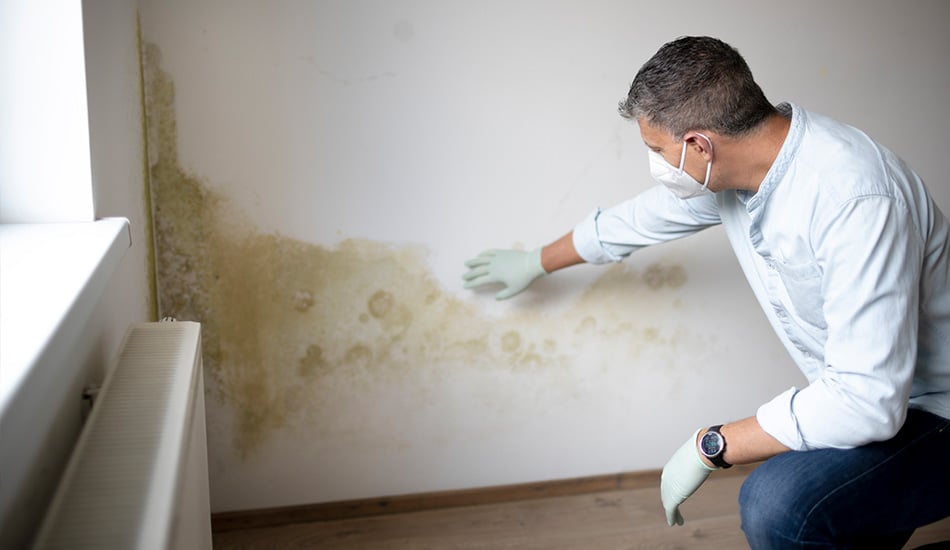
Explaining the Process of Mold Testing in Coastal Neighborhoods Near Biscayne Bay
Homes and properties along Biscayne Bay, including North Miami, Miami Shores, Aventura, Bal Harbour, Surfside, North Miami Beach, and nearby coastal communities, face unique environmental conditions. The warm, humid climate combined with salt-laden air creates an ideal environment for mold growth. While some mold is visible, much of it can remain hidden behind walls, under flooring, or inside ductwork. For property owners, landlords, and property managers, understanding the mold testing process is essential to identify issues early, prevent structural damage, and maintain healthy indoor air quality.
Mold testing is not just about confirming the presence of mold. It involves a systematic process of detection, sampling, analysis, and reporting, allowing homeowners to address both visible and hidden mold problems effectively. In coastal areas near Biscayne Bay, mold can thrive even in properties that appear dry, making professional inspection and testing critical.
Understanding Mold and Its Impact
Mold is a type of fungus that grows in damp, humid environments. While small amounts of mold are common in every home, excessive growth can lead to:
- Structural Damage – Mold can weaken wood, drywall, and other building materials over time.
- Persistent Odors – Mold spores often produce musty smells that permeate carpets, walls, and furniture.
- Air Quality Issues – Airborne spores can exacerbate respiratory conditions or trigger allergies.
- Hidden Contamination – Mold often develops in areas that are not visible without specialized equipment, including crawl spaces, attics, wall cavities, and HVAC systems.
In coastal communities, factors such as high humidity, salt exposure, poor ventilation, and water intrusion from storms or AC condensation make mold a persistent challenge.
Why Professional Mold Testing Is Necessary
Homeowners may be tempted to rely on DIY mold test kits, but professional testing provides several advantages:
- Accurate Identification – Technicians can determine the type of mold, which informs the remediation process.
- Hidden Mold Detection – Professionals use moisture meters, thermal imaging, and air sampling to locate concealed growth.
- Quantitative Data – Laboratory analysis provides spore counts and concentration levels, helping to assess the severity of contamination.
- Preventive Insight – Testing often reveals moisture sources or conditions that could promote future mold growth.
Professional mold testing ensures that remediation efforts target both the symptoms and the root causes of mold problems.
Step 1: Initial Assessment
The first step in mold testing involves a thorough inspection of the property. This assessment includes:
- Visual Examination – Technicians look for visible mold, water stains, discoloration, or signs of previous water damage.
- Moisture Detection – Moisture meters and infrared cameras help identify damp areas behind walls, under flooring, and in crawl spaces.
- HVAC Inspection – Ductwork and air handling units are checked for signs of mold growth or water intrusion.
- Environmental Observation – Technicians note ventilation issues, humidity levels, and potential water entry points from roofs, windows, or plumbing.
This initial assessment guides the sampling plan and ensures testing focuses on both visible and hidden problem areas.
Step 2: Selecting Sampling Locations
In coastal neighborhoods near Biscayne Bay, mold can develop in unexpected locations. Technicians select sampling points based on:
- High-Risk Areas – Bathrooms, kitchens, laundry rooms, and basements often experience elevated moisture.
- Water-Damaged Surfaces – Walls, ceilings, or floors previously exposed to leaks or flooding are tested.
- HVAC Systems – Air ducts, vents, and filters can harbor airborne spores and distribute mold throughout the home.
- Hidden Spaces – Crawl spaces, attics, wall cavities, and behind cabinetry are common but often overlooked sources.
A comprehensive sampling plan ensures that both visible and concealed mold is detected.
Step 3: Mold Sampling Methods
Professional mold testing typically employs several methods:
1. Air Sampling
Air samples measure the concentration of mold spores in the indoor environment. Air samplers pull a known volume of air through a collection medium, which is later analyzed in a laboratory. Air sampling helps determine whether indoor spore counts are elevated compared to outdoor levels, which is critical for assessing health risks.
2. Surface Sampling
Surface sampling involves collecting samples directly from mold-contaminated surfaces using swabs, tape lifts, or bulk material. This method confirms the presence and type of mold growing on walls, flooring, or furniture.
3. Bulk Sampling
In some cases, pieces of building material or insulation are removed and analyzed to determine the extent of mold contamination. This is particularly important for hidden mold inside walls or ceilings.
4. Moisture and Environmental Testing
Moisture meters, thermal imaging, and humidity sensors identify conditions that could encourage mold growth. Understanding moisture levels helps prevent future contamination and informs remediation strategies.
Step 4: Laboratory Analysis
Samples collected during mold testing are sent to accredited laboratories for analysis. Laboratory testing provides:
- Species Identification – Different mold types require specific remediation approaches.
- Spore Counts – Quantifying mold concentration helps determine whether levels exceed recommended thresholds.
- Toxicity Assessment – While not all mold is harmful, some species produce mycotoxins that pose health risks.
- Correlation with Environmental Factors – Results help identify the source of moisture and the extent of contamination.
Laboratory analysis ensures accurate, actionable information that guides the remediation process.
Step 5: Reporting and Recommendations
After analysis, professionals provide a detailed report outlining:
- Findings – Locations, types, and concentrations of mold.
- Assessment of Severity – Minor, moderate, or extensive contamination levels.
- Root Causes – Identified moisture sources contributing to mold growth.
- Remediation Plan – Recommended cleaning, removal, and preventive measures.
- Preventive Strategies – Tips for controlling humidity, improving ventilation, and addressing water intrusion.
This report allows homeowners and property managers to make informed decisions regarding cleanup, repairs, and long-term prevention.
Challenges Unique to Coastal Properties
Mold testing in coastal neighborhoods near Biscayne Bay involves unique challenges:
- High Humidity – Persistent moisture increases the likelihood of hidden mold growth.
- Salt-Laden Air – Salt exposure can accelerate corrosion in HVAC systems and complicate remediation.
- Older Construction – Historic homes often feature plaster walls, hardwood floors, and slab foundations that absorb moisture differently than modern materials.
- Water Intrusion from Storms – Even minor flooding or leaks during storms can create hidden mold hotspots.
These factors make professional expertise essential for accurate testing and effective remediation.
Why Early Mold Testing Matters
Early detection of mold is critical to protecting property value, indoor air quality, and health:
- Preventing Structural Damage – Mold can weaken wood, drywall, and other building materials if left untreated.
- Reducing Health Risks – Mold spores can trigger allergies, respiratory issues, or other health problems in sensitive individuals.
- Minimizing Cleanup Costs – Addressing mold early reduces the scope and expense of remediation.
- Maintaining Indoor Air Quality – Proper testing ensures hidden mold does not continue circulating spores throughout the home.
Regular testing is particularly important in coastal environments, where high humidity and water intrusion increase the risk of hidden contamination.
Preventive Measures for Coastal Homes
After testing and remediation, property owners can implement strategies to prevent mold growth:
- Control Humidity – Use dehumidifiers, air conditioners, and proper ventilation to maintain indoor humidity below 60%.
- Repair Leaks Promptly – Address roof, plumbing, and AC leaks immediately.
- Maintain HVAC Systems – Clean ducts and replace filters regularly to prevent spore distribution.
- Use Mold-Resistant Materials – When renovating, choose materials that resist moisture absorption.
- Monitor Moisture Levels – Regularly inspect basements, crawl spaces, attics, and other high-risk areas.
- Schedule Periodic Professional Inspections – Even in the absence of visible mold, routine checks help catch early contamination.
These strategies reduce the likelihood of recurring mold problems in coastal properties.
Conclusion
Mold testing in coastal neighborhoods near Biscayne Bay is a critical step for maintaining healthy, structurally sound homes. From North Miami to Surfside, Bal Harbour, Aventura, Miami Shores, and surrounding bayfront communities, the combination of high humidity, salt-laden air, and occasional water intrusion creates ideal conditions for hidden mold growth.
Professional mold testing involves thorough inspections, targeted sampling, laboratory analysis, and detailed reporting, ensuring that both visible and concealed contamination is addressed. Early detection and intervention not only prevent structural damage but also protect indoor air quality and reduce health risks.
For property owners, landlords, and managers, understanding the mold testing process and implementing preventive measures is essential to safeguarding homes in this unique coastal environment. With local expertise, proactive inspections, and timely remediation, homeowners along Biscayne Bay can enjoy their waterfront properties with confidence.