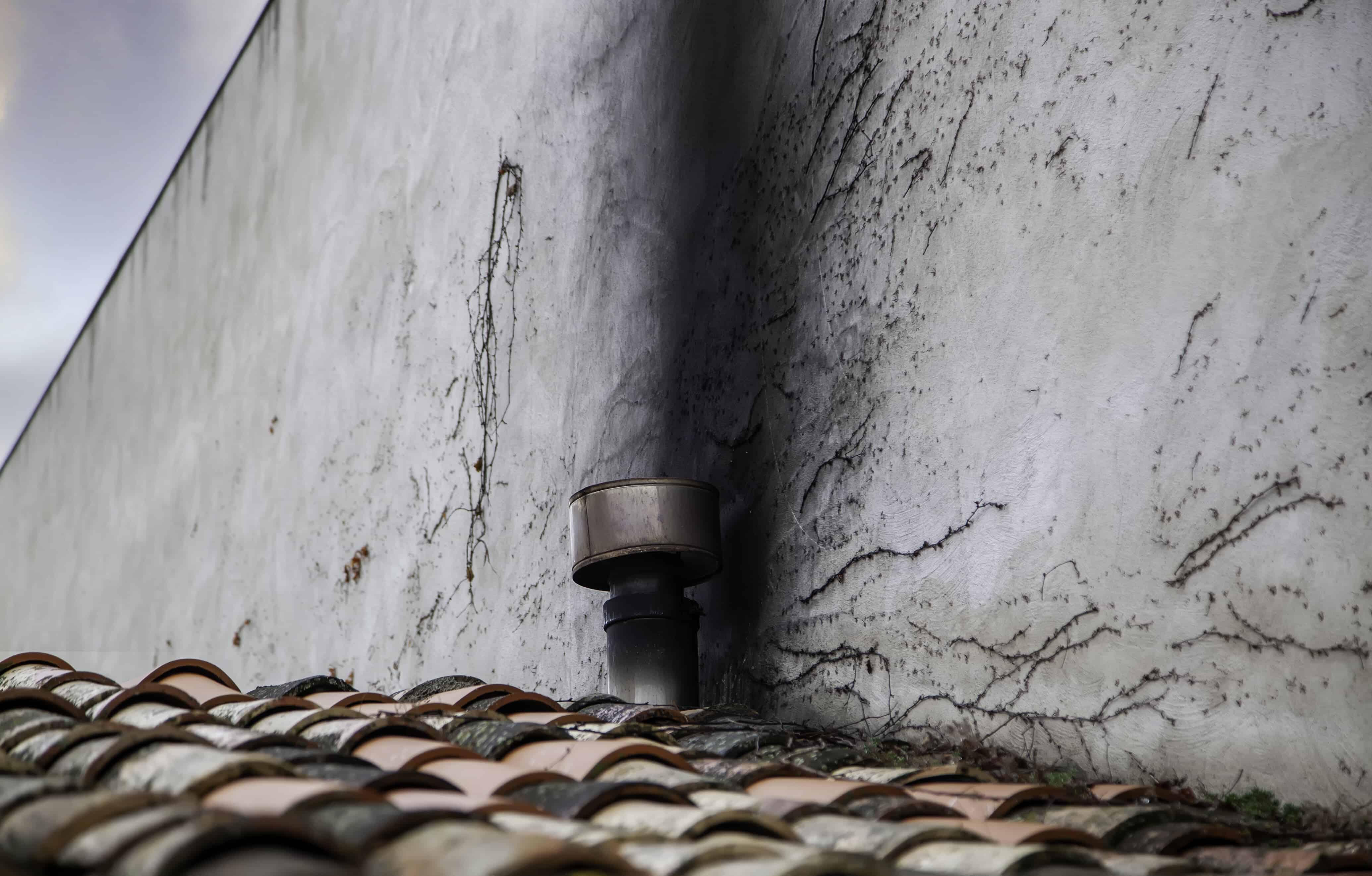
Explaining the Process of Smoke Damage Cleanup in Surfside
Smoke damage is one of those problems that often looks minor at first but becomes more serious the longer it sits untreated. In Surfside and other coastal communities near North Miami, even small kitchen fires, electrical issues, or neighboring unit fires in condominiums can leave behind smoke residue that spreads throughout a property.
Many homeowners are surprised to learn that smoke doesn’t stay in one room. It travels through air ducts, settles into fabrics, and leaves behind microscopic particles that continue to affect indoor surfaces long after the fire itself is gone. Understanding how smoke damage cleanup works helps property owners respond quickly and prevent long-term damage.
What Smoke Damage Really Is
Smoke damage is more than visible soot on walls or ceilings. When materials burn, they release tiny particles made of carbon, oils, and chemicals. These particles float through the air and settle on surfaces throughout a property.
In homes across Surfside, Bal Harbour, and North Miami Beach, smoke residue is often found in places homeowners never expect, including:
- Inside cabinets
- Behind doors and trim
- Inside ductwork
- On ceiling fans and light fixtures
- Inside closets and storage areas
Because smoke particles are extremely small, they can penetrate porous materials such as drywall, wood, insulation, and fabrics.
Why Smoke Damage Happens So Often in Surfside
Coastal homes in Surfside face unique conditions that can make smoke damage more persistent than in other areas.
Humidity plays a major role. Moist air can cause soot and smoke residue to stick more firmly to surfaces. This makes cleanup more difficult and increases the risk of staining and lingering odors.
Other local factors include:
- Multi-unit buildings where smoke travels through shared ventilation
- Salt air that accelerates corrosion of surfaces after exposure to smoke
- Older electrical systems in some properties
- Air conditioning systems that circulate smoke particles
Homes in nearby communities such as Miami Shores and Aventura often experience similar challenges, especially in older buildings.
Signs That Smoke Damage Is Present
Some signs of smoke damage are obvious, but others are subtle and develop gradually.
Property owners often notice:
- A persistent smoky or burnt odor
- Light gray or yellowish discoloration on walls or ceilings
- Sticky residue on surfaces
- Dark staining near vents
- Odors that return when the AC system runs
Even when surfaces look clean, smoke residue may still be present in hidden areas.
Hidden Areas Where Smoke Residue Collects
One of the biggest challenges in smoke cleanup is identifying all the areas affected.
Common hidden locations include:
- Inside air ducts and HVAC systems
- Attic insulation
- Behind wall cavities
- Under flooring or baseboards
- Inside closets and storage areas
In coastal homes, smoke particles may also mix with moisture in crawl spaces or attics, allowing odors to linger longer than expected.
Why DIY Smoke Cleanup Often Falls Short
Many homeowners try to remove smoke residue using household cleaners or air fresheners. While this may improve the appearance temporarily, it rarely solves the problem completely.
DIY cleanup often fails because:
- Standard cleaners don’t remove oily soot residues
- Odors remain trapped in porous materials
- Air ducts continue circulating contaminated air
- Hidden areas remain untreated
Without proper equipment and cleaning methods, smoke particles can remain embedded in materials and cause odors to return weeks later.
Professional Smoke Damage Inspection and Assessment
The first step in professional smoke damage cleanup is a detailed inspection. This process helps determine how far smoke traveled and which materials are affected.
An inspection typically includes:
- Visual examination of walls, ceilings, and structural surfaces
- Checking HVAC systems and ductwork
- Evaluating insulation and attic spaces
- Identifying odor concentration areas
- Measuring humidity and moisture levels
In Surfside properties, inspectors often find smoke residue in ventilation systems or in rooms far from the original fire source.
The Smoke Damage Cleanup Process
Professional cleanup follows a systematic process designed to remove soot, neutralize odors, and restore affected areas.
1. Initial Containment and Ventilation
Affected areas are isolated when necessary to prevent soot from spreading. Air filtration equipment may be used to capture airborne particles.
2. Surface Cleaning and Soot Removal
Specialized cleaning solutions are used to remove soot from walls, ceilings, and structural materials. Different types of smoke require different cleaning techniques, depending on what materials burned.
3. Odor Removal and Air Treatment
Odor removal is one of the most important steps. Professional deodorization methods may include air scrubbers, filtration systems, and treatments designed to neutralize odor molecules rather than simply masking them.
4. Cleaning of Contents and Materials
Furniture, flooring, and other contents may require specialized cleaning to remove soot particles embedded in fabrics or porous surfaces.
5. Final Inspection and Drying
Humidity and ventilation are carefully controlled to ensure surfaces dry properly and no odors remain.
Companies experienced in local conditions, such as Tip Top Water and Fire Damage Restoration, often emphasize thorough odor removal because coastal humidity can make smells persist longer if not properly treated.
Water Damage Often Occurs Alongside Smoke Damage
Many fires are extinguished using water, which creates a secondary problem. Even a small fire can leave behind significant moisture that must be addressed quickly.
Water damage restoration may include:
- Water extraction
- Structural drying
- Dehumidification
- Monitoring moisture levels
If moisture is not removed, mold growth can begin within days, particularly in humid areas like Surfside and North Miami Beach.
HVAC Systems and Smoke Contamination
Air conditioning systems can spread smoke particles throughout a property within minutes. Once soot enters ductwork, it can settle and continue circulating long after visible damage has been cleaned.
Signs that ducts may be affected include:
- Smoke odors when the AC runs
- Dust or residue near vents
- Uneven odors in different rooms
Duct inspection and cleaning are often essential parts of a complete smoke damage cleanup process.
Preventing Long-Term Problems After Smoke Damage
Once cleanup is complete, a few steps can help prevent lingering odors or secondary issues:
- Replace HVAC filters regularly
- Monitor humidity levels indoors
- Inspect attic and ventilation systems
- Address any hidden moisture quickly
- Schedule periodic inspections if odors reappear
These steps are especially important in coastal environments where humidity can reactivate odors trapped in building materials.
Why Local Experience Matters in Surfside
Smoke damage cleanup in coastal communities requires understanding how humidity, salt air, and building design affect restoration work.
Professionals familiar with homes in Surfside, Bal Harbour, and North Miami often recognize patterns that others might miss, such as smoke collecting in attic ventilation paths or lingering odors caused by humid air reactivating soot particles.
Local knowledge helps ensure that cleanup is thorough and long-lasting.
A Practical and Reassuring Next Step
Smoke damage can feel overwhelming at first, especially when odors linger or stains appear in unexpected places. The most important step is addressing the problem early and ensuring that both visible residue and hidden contamination are properly treated.
With a careful inspection, systematic cleanup, and proper drying, most homes can be fully restored. Property owners who act promptly and work with experienced local professionals—such as Tip Top Water and Fire Damage Restoration—can prevent long-term structural damage and maintain a clean, comfortable indoor environment.