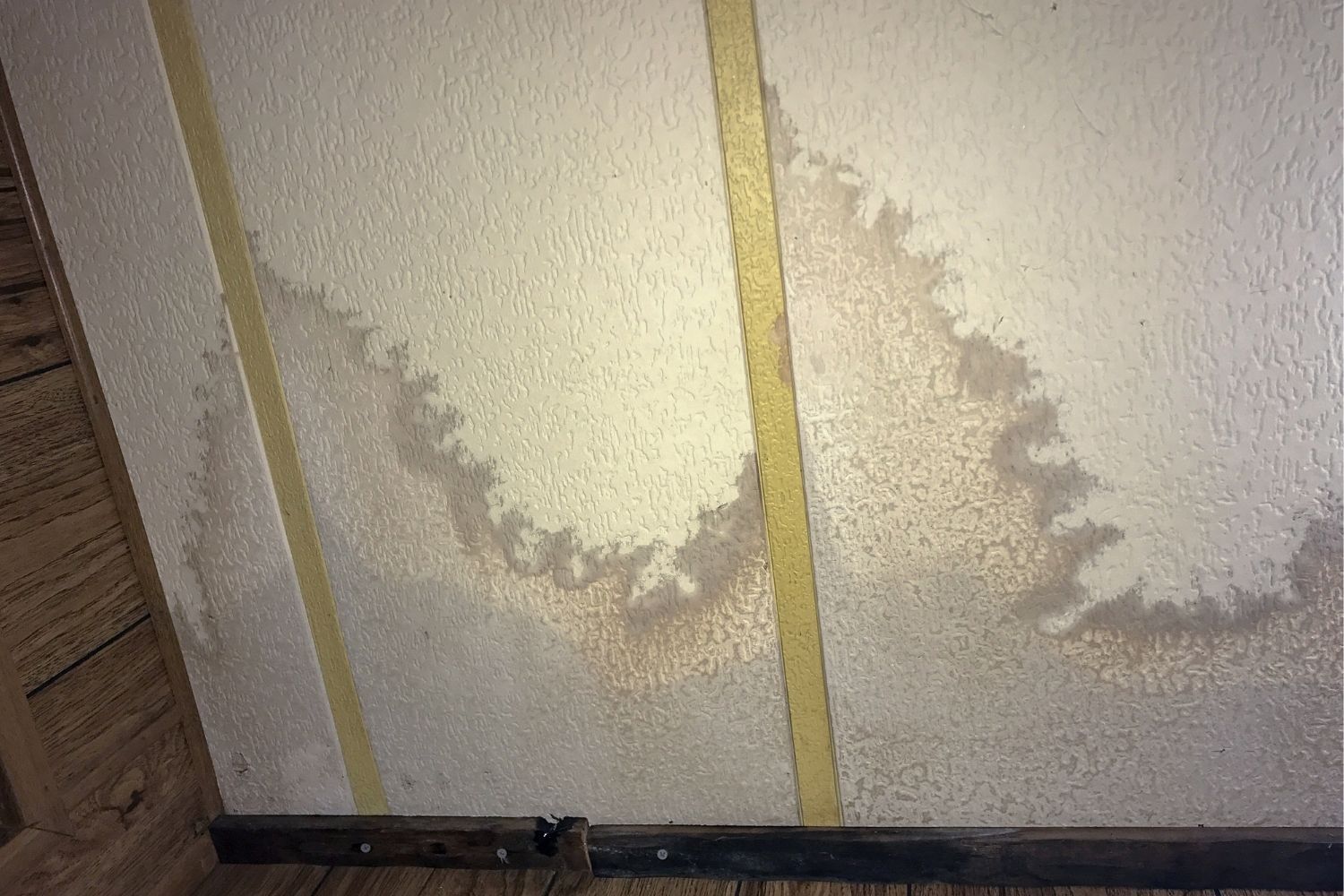
Explaining the Process of Water Damage Repair in Biscayne Park
Water damage is one of the most common problems property owners face in Biscayne Park. Between seasonal storms, aging plumbing systems, roof leaks, and high humidity, moisture can enter homes in many ways. While removing standing water is important, repairing the damage that follows is just as critical. Water damage repair restores structural materials, prevents mold growth, and ensures a home remains safe and comfortable.
Understanding the repair process helps homeowners and landlords know what to expect and why each step matters.
How Water Damage Usually Begins in Biscayne Park Homes
Water damage in Biscayne Park often starts with relatively small problems. A slow plumbing leak, a roof issue after heavy rain, or a clogged AC drain line can allow moisture to spread gradually.
In older homes, which are common in this area, materials such as wood framing, plaster, and insulation can absorb water quickly. Because Biscayne Park is close to the coast, humidity slows the drying process, allowing moisture to remain trapped longer than expected.
Over time, damp materials begin to weaken, and visible damage may start to appear.
Common Signs That Water Damage Repair Is Needed
Water damage is not always obvious right away. Many homeowners first notice subtle signs that indicate moisture has been present for some time.
Typical warning signs include:
- Water stains on ceilings or walls
- Warped or buckling flooring
- Peeling paint or bubbling drywall
- Musty odors
- Soft or swollen baseboards
- Discoloration near vents or windows
These signs usually mean that water has penetrated beyond the surface and repairs may be necessary.
The First Step: Inspection and Damage Assessment
The water damage repair process begins with a thorough inspection. This step determines how far moisture has spread and which materials have been affected.
Technicians often use moisture meters and other tools to check:
- Drywall and insulation
- Flooring and subfloors
- Cabinets and trim
- Ceiling cavities
- Wall framing
Moisture detection is especially important in Biscayne Park homes, where humidity can hide damp areas. Professionals familiar with local conditions, such as Tip Top Water and Fire Damage Restoration, often focus on locating hidden moisture to prevent future problems.
Water Removal and Initial Drying
Before repairs begin, any remaining water must be removed and affected areas must be dried. Even small amounts of trapped moisture can lead to mold growth if not addressed properly.
Drying typically involves:
- Air movers to increase airflow
- Dehumidifiers to remove moisture from the air
- Monitoring equipment to track drying progress
In coastal environments, drying may take longer because the air already contains high levels of moisture.
Removing Damaged Materials
Once drying begins, materials that cannot be restored may need to be removed. Water weakens certain materials, and leaving them in place can lead to structural problems or odors.
Common materials that may require removal include:
- Saturated drywall
- Wet insulation
- Severely damaged carpeting
- Warped laminate flooring
Removing these materials allows the structure behind them to dry completely and prepares the area for repairs.
Repairing Structural Components
After damaged materials are removed and the area is dry, repairs can begin. This stage restores the home to its original condition.
Repairs may include:
- Replacing drywall and insulation
- Repairing framing or trim
- Installing new flooring
- Repainting and finishing surfaces
Proper repairs ensure that moisture-damaged areas are restored safely and securely.
Addressing Hidden Moisture Problems
One of the most important parts of water damage repair is addressing hidden moisture. Even after visible damage is repaired, moisture trapped in enclosed areas can cause problems later.
Common hidden areas that require attention include:
- Inside wall cavities
- Beneath flooring
- Attic insulation
- Around air ducts
If these areas are not properly dried, mold growth can begin within a short time.
The Role of HVAC Systems in Water Damage Repair
Air conditioning systems often play a role in both causing and resolving moisture problems. Damp ducts or insulation can circulate humid air, slowing the drying process.
During water damage repair, HVAC systems may be inspected to ensure:
- Ducts are dry and free of debris
- Airflow is balanced
- Condensate lines are functioning properly
Addressing HVAC issues helps prevent recurring moisture problems.
Preventing Mold After Water Damage
Mold prevention is a key goal of water damage repair. Mold can begin developing quickly when materials remain damp, especially in warm climates like South Florida.
Preventive steps typically include:
- Thorough drying of structural materials
- Monitoring humidity levels
- Ensuring proper ventilation
- Inspecting areas that were previously wet
Taking these steps reduces the likelihood of mold growth after repairs are completed.
Why Quick Repairs Matter
Delaying water damage repair often leads to more extensive problems. Materials continue to weaken, odors become more difficult to remove, and mold risk increases.
Prompt repairs help:
- Protect structural integrity
- Reduce repair costs
- Improve indoor air quality
- Prevent recurring damage
In Biscayne Park, where humidity remains high most of the year, quick action is especially important.
Why Local Experience Matters
Water damage repair in Biscayne Park requires understanding how coastal humidity, older construction, and seasonal storms affect buildings. Moisture behaves differently in coastal environments, and drying times can vary significantly.
Professionals who regularly work in Biscayne Park, North Miami, and Miami Shores are familiar with these conditions and know where hidden moisture is most likely to occur.
Local experience often leads to more effective repairs and fewer long-term issues.
Practical Steps Homeowners Can Take
After water damage occurs, homeowners can take several steps to reduce further damage before repairs begin:
- Turn off the water source if possible
- Move furniture away from wet areas
- Increase ventilation when safe
- Avoid using electrical devices near water
- Contact professionals for inspection and drying
These actions can help limit the spread of moisture and shorten repair time.
A Realistic Perspective for Property Owners
Water damage can feel overwhelming, but most situations can be resolved successfully when handled properly. The key steps—inspection, drying, removal of damaged materials, and structural repair—work together to restore a home safely.
For property owners in Biscayne Park, understanding the repair process makes it easier to respond quickly, prevent mold, and protect the long-term condition of the home.