Explaining the Process of Water Damage Repair in Coastal Neighborhoods Near Biscayne Bay
Water damage is one of the most common property problems in coastal areas near Biscayne Bay. Whether caused by heavy rain, plumbing failures, roof leaks, or storm surge, water can spread quickly through a home and affect far more than what is immediately visible.
In communities such as North Miami, Miami Shores, Biscayne Park, Surfside, and Bal Harbour, the combination of humidity, salt air, and warm temperatures often slows the drying process. This allows moisture to remain trapped in walls, floors, and structural materials, increasing the risk of long-term damage if repairs are delayed or incomplete.
Understanding how the water damage repair process works helps homeowners and property managers make informed decisions and prevent future problems.
What Water Damage Repair Really Involves
Water damage repair is not just about removing water or replacing damaged materials. The process focuses on restoring the affected structure safely and completely, ensuring that hidden moisture does not remain inside walls, ceilings, or flooring.
Proper repair usually includes:
- Identifying the source of the water
- Removing standing water
- Drying and dehumidifying affected areas
- Inspecting for hidden moisture
- Repairing or replacing damaged materials
- Preventing mold growth
Each step is essential, especially in coastal climates where moisture lingers longer than expected.
Why Water Damage Happens So Often Near Biscayne Bay
Coastal neighborhoods near Biscayne Bay face unique environmental challenges that increase the risk of water damage.
Common contributing factors include:
- Intense seasonal storms and heavy rainfall
- Wind-driven rain entering through small openings
- Roof leaks caused by storm wear
- AC condensation and duct moisture
- High humidity levels indoors
- Plumbing failures in kitchens and bathrooms
In many homes, especially older properties in Miami Shores or Biscayne Park, building materials may absorb water quickly and dry slowly, making restoration more complex.
Common Signs Homeowners Notice
Water damage is not always obvious right away. Many homeowners first notice subtle warning signs before realizing the extent of the problem.
Typical signs include:
- Musty or damp odors
- Stains on ceilings or walls
- Warped or buckling flooring
- Peeling paint or bubbling drywall
- Increased indoor humidity
- Damp carpeting or soft spots underfoot
These signs often indicate that moisture has already spread beyond the original source.
Hidden or Overlooked Areas Where Damage Develops
During inspections in coastal homes, moisture is frequently discovered in places homeowners rarely check.
Some of the most common hidden areas include:
- Behind baseboards and drywall
- Beneath carpets and padding
- Inside attic insulation
- Around HVAC ducts
- Under kitchen or bathroom cabinets
Water can travel along framing and structural surfaces, sometimes appearing several feet away from the original leak. This is why thorough inspection is a critical part of the repair process.
Why DIY Water Damage Repair Often Falls Short
It’s understandable that homeowners may try to handle minor water issues themselves. However, household fans and surface cleaning rarely address deeper moisture trapped inside materials.
DIY repair often fails because:
- Moisture inside walls is not detected
- Subflooring remains damp
- Improper drying allows mold growth
- Odors return after a few days
- Structural materials continue to deteriorate
Without professional moisture detection tools, it is difficult to confirm that a structure is fully dry.
Inspection and Moisture Detection Explained
A professional inspection helps determine how far water has spread and what materials are affected.
A typical inspection includes:
- Moisture readings in walls and floors
- Thermal imaging to locate hidden damp areas
- Evaluation of ceilings and attic spaces
- Inspection of HVAC systems and ducts
- Identification of the original moisture source
In coastal neighborhoods near Biscayne Bay, inspections often reveal moisture trapped in insulation or behind drywall, even when surfaces appear dry.
The Water Damage Repair Process Step by Step
Once inspection is complete, the repair process begins. Each stage is designed to restore the property safely and prevent long-term issues.
1. Water Removal
Standing water is extracted using specialized equipment. Quick removal helps prevent further absorption into building materials.
2. Drying and Dehumidification
Industrial air movers and dehumidifiers are used to remove moisture from floors, walls, and structural materials. This stage often takes several days in humid coastal environments.
3. Cleaning and Sanitizing
Affected areas are cleaned to remove contaminants and reduce the risk of mold growth.
4. Repair and Restoration
Damaged drywall, insulation, or flooring may be repaired or replaced once moisture levels return to safe ranges.
5. Final Moisture Verification
Moisture readings confirm that the structure is dry before repairs are completed.
Companies such as Tip Top Water and Fire Damage Restoration regularly perform these steps in North Miami and surrounding communities, where humidity and salt air often complicate the drying process.
Mold Risks After Water Damage
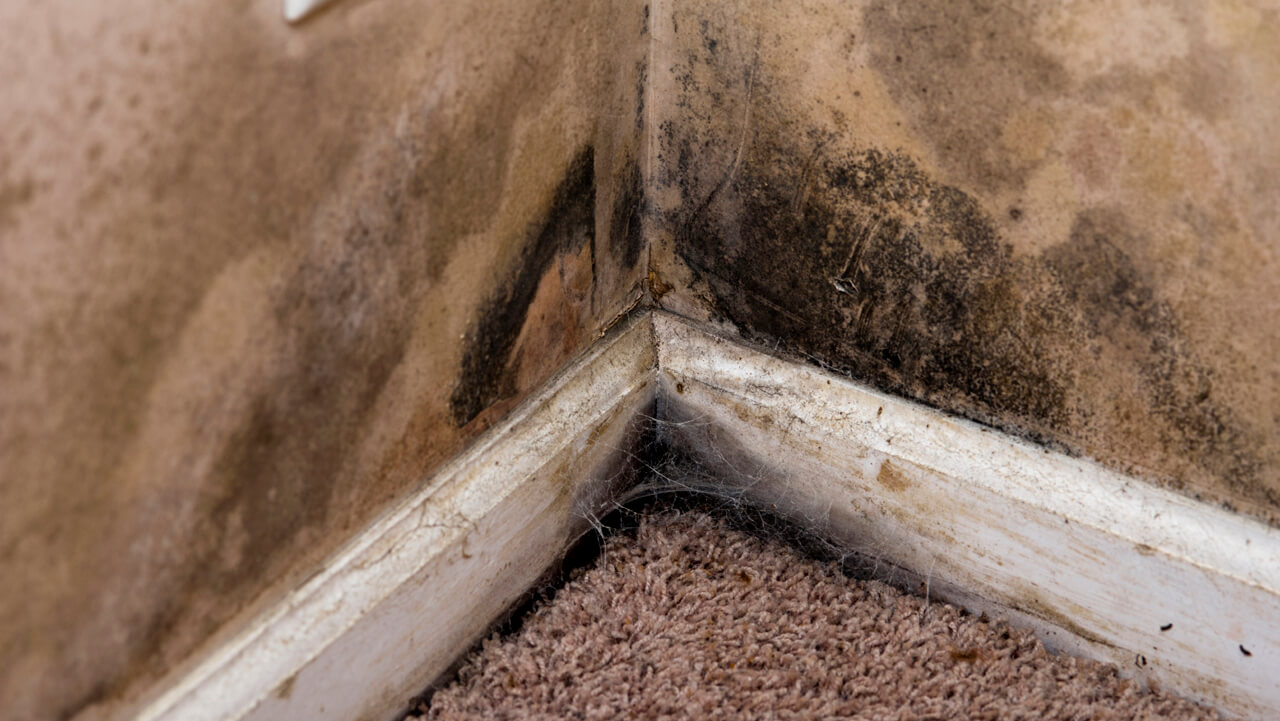
One of the biggest concerns after water damage is mold growth. Mold can begin developing within 24 to 48 hours when moisture remains trapped in organic materials.
Areas most vulnerable include:
- Drywall and ceiling boards
- Wooden framing
- Carpet padding
- Insulation
- Air ducts
This is why proper drying and inspection are essential parts of the repair process.
Air Ducts, AC Systems, and Moisture
In many coastal homes, HVAC systems play a major role in moisture control. However, ducts can also trap condensation or draw in humid air if not properly maintained.
During water damage repair, technicians often inspect:
- Air ducts and vents
- Air handlers
- Drain lines and condensate pans
- Insulated ductwork in attic spaces
Air duct cleaning may be recommended if moisture or contamination is found.
How to Prevent Future Water Damage Problems
Preventive maintenance can significantly reduce the likelihood of water damage in coastal homes.
Helpful steps include:
- Inspect roofs regularly, especially after storms
- Keep gutters and drains clear
- Monitor indoor humidity levels
- Service air conditioning systems regularly
- Repair plumbing leaks promptly
- Schedule periodic moisture inspections
Even small leaks should be addressed quickly, as coastal humidity can accelerate damage.
Why Local Experience Matters
Water damage repair in coastal South Florida requires an understanding of how moisture behaves in humid environments.
Homes near Biscayne Bay often experience:
- Slower drying times
- Hidden moisture in concrete and insulation
- Salt exposure affecting building materials
- Increased mold risk
Professionals familiar with North Miami, Surfside, Bal Harbour, and Sunny Isles Beach understand these conditions and know where hidden moisture is most likely to remain.
Tip Top Water and Fire Damage Restoration has worked extensively in these communities, where delayed drying and hidden moisture are among the most common challenges.
A Calm, Practical Next Step
Water damage can be stressful, but the repair process is straightforward when handled properly. Early inspection, thorough drying, and careful restoration prevent long-term structural problems and mold growth.
In coastal neighborhoods near Biscayne Bay, acting quickly after a leak or flooding event is the most effective way to protect both the home and indoor air quality. Proper repair ensures that the damage is fully resolved—not just temporarily hidden.