
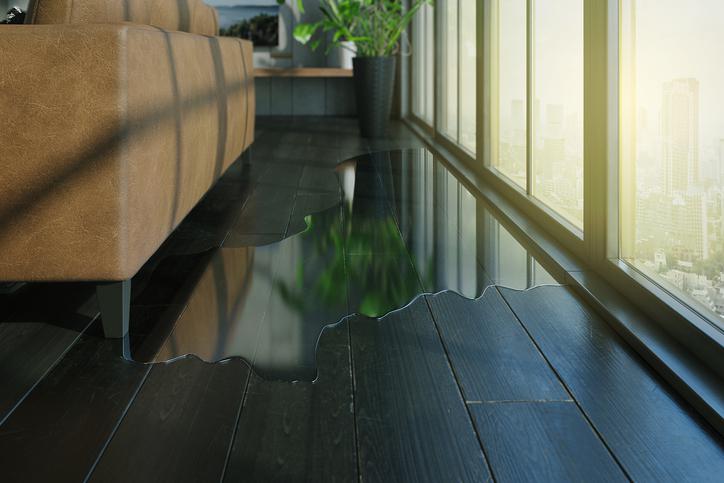
Explaining the Process of Water Removal in Biscayne Park
In Biscayne Park, water problems don’t always come from dramatic flooding. More often, they come from slab leaks, AC overflows, roof intrusion during heavy storms, or aging plumbing systems in older homes.
Because Biscayne Park sits near Biscayne Bay and experiences consistent humidity, water doesn’t dry quickly on its own. Moisture lingers in drywall, under flooring, and inside framing. That’s why proper water removal is more than just mopping up visible puddles.
It’s a structured process designed to remove moisture completely, protect the structure, and prevent mold before it starts.
Here’s how the process works.
Understanding How Water Spreads in Biscayne Park Homes
Many homes in Biscayne Park are built on slab foundations and surrounded by mature landscaping. That combination creates unique moisture dynamics.
When water enters a property, it can:
- Travel under tile flooring
- Soak into drywall and insulation
- Migrate through slab foundations
- Spread along baseboards
- Rise through capillary action in concrete
Because South Florida humidity slows evaporation, moisture often remains trapped long after surfaces appear dry.
That’s why professional water removal always begins with evaluation.
Step 1: Inspection and Moisture Mapping
The first step is identifying how far the water has spread.
Visible water rarely shows the full picture.
Professionals use:
- Moisture meters to check drywall and flooring
- Thermal imaging cameras to detect hidden damp areas
- Hygrometers to measure indoor humidity
- Slab moisture testing when needed
In Biscayne Park, slab leaks are common due to aging plumbing systems. Water can travel beneath the home and surface in unexpected locations.
Mapping ensures no damp areas are missed.
Step 2: Stopping the Water Source
Before removal begins, the source must be stopped.
Common sources in Biscayne Park include:
- Broken supply lines
- Slab plumbing leaks
- AC condensate drain overflows
- Roof leaks after heavy storms
- Appliance hose failures
If the source isn’t fully addressed, water removal becomes temporary.
Step 3: Water Extraction
Once the source is controlled, immediate extraction begins.
High-powered extraction equipment removes standing water from:
- Tile and hardwood floors
- Carpet and padding
- Concrete surfaces
- Subfloor areas
Surface shop vacuums are not sufficient for deep saturation.
Fast extraction limits:
- Structural damage
- Swelling of materials
- Mold growth risk
- Odor development
In humid climates like Biscayne Park, speed matters.
Step 4: Removal of Saturated Materials (If Necessary)
Not all materials can be saved.
Depending on water category and exposure time, the following may require removal:
- Carpet padding
- Damaged drywall
- Insulation
- Warped baseboards
If water remained present longer than 24–48 hours, porous materials may already be compromised.
In slab-on-grade homes, water trapped beneath flooring adhesives can also require partial removal for proper drying.
Step 5: Structural Drying
After extraction, drying begins.
This is one of the most important steps in South Florida water removal.
Industrial air movers create airflow across surfaces. Commercial dehumidifiers pull moisture from the air and surrounding materials.
Drying targets:
- Wall cavities
- Subfloors
- Framing
- Concrete slabs
- Adjacent rooms
In Biscayne Park’s humid environment, passive drying is rarely effective. Materials must be actively dried and monitored.
Step 6: Daily Moisture Monitoring
Water removal is not complete until moisture readings confirm safe levels.
Technicians take daily readings to ensure:
- Drywall moisture content is stabilized
- Subfloors are no longer damp
- Humidity remains within safe range
- No hidden moisture pockets remain
Skipping verification often leads to mold growth weeks later.
Step 7: Cleaning and Sanitizing
Depending on the type of water involved, cleaning may be required.
Clean water from supply lines is handled differently than gray water or storm intrusion.
Sanitizing helps prevent:
- Odor
- Bacterial growth
- Surface staining
In properties near Biscayne Bay, storm-driven water may carry debris and require additional cleaning measures.
Step 8: HVAC System Inspection
Water events often involve AC systems.
Common scenarios include:
- Clogged condensate drain lines
- Rusted drain pans
- Duct condensation dripping onto ceilings
If moisture entered duct systems, inspection is necessary to prevent recirculation of humid air or contamination.
In Biscayne Park homes with attic ductwork, condensation can combine with water intrusion, compounding the issue.
Common Challenges in Biscayne Park
Slab Foundation Moisture
Concrete retains water longer than many homeowners expect. Even after surface drying, slabs may continue releasing moisture into indoor air.
High Ambient Humidity
Drying times increase when outdoor humidity remains elevated.
Storm Season Overlap
Hurricane season brings repeated rain events that slow drying progress.
Older Plumbing Systems
Aging pipes increase the likelihood of recurring leaks.
These factors make thorough water removal especially important.
Preventing Mold After Water Removal
Mold can begin growing within 24–48 hours in South Florida conditions.
Proper water removal reduces risk by:
- Extracting water quickly
- Removing compromised materials
- Stabilizing humidity
- Verifying dryness
Maintaining indoor humidity between 45–55% after drying helps prevent recurrence.
Long-Term Protection Tips
To reduce future water damage risk in Biscayne Park:
Inspect plumbing annually
Replace aging supply lines
Flush AC condensate lines regularly
Inspect roof flashing before storm season
Seal windows and exterior penetrations
Install leak detection sensors
Monitor indoor humidity levels
Proactive maintenance costs far less than structural repairs.
Why Local Experience Matters
Water removal in Biscayne Park differs from inland cities because:
- Slab construction retains moisture
- Coastal humidity slows drying
- Salt air accelerates corrosion
- Continuous AC operation influences humidity levels
Understanding these local conditions ensures more accurate drying timelines and complete restoration.
Tip Top Water and Fire Damage Restoration has handled water removal projects in Biscayne Park where slab moisture required extended drying beyond what surface appearance suggested.
Verification prevented future mold remediation.
A Practical Takeaway
Water removal in Biscayne Park is not just about removing visible water. It’s about controlling moisture completely.
The essential steps are:
- Identify and stop the source
- Map hidden moisture
- Extract standing water quickly
- Remove compromised materials
- Perform controlled structural drying
- Verify moisture levels before rebuilding
In a coastal environment where humidity never fully disappears, complete water removal protects both structure and indoor air quality.
Handled thoroughly, water damage can be resolved safely. Handled superficially, moisture lingers — and problems follow.
In Biscayne Park, effective water removal is the foundation of long-term property protection.