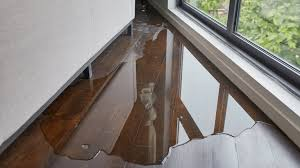
Explaining the Process of Water Removal in Sunny Isles Beach
Water intrusion is a common concern for homeowners and property managers in Sunny Isles Beach. Coastal weather, heavy rainfall, plumbing failures, and AC-related moisture can all lead to water accumulating inside homes and buildings. Whether the source is a storm, a pipe leak, or an overflowing appliance, removing water quickly is essential to prevent structural damage, mold growth, and long-term repairs.
Understanding how the water removal process works helps property owners respond faster and make informed decisions when water damage occurs.
Why Water Removal Is So Important in Coastal Areas
Sunny Isles Beach sits along the Atlantic coast, where humidity levels remain high and storms can develop quickly. In this environment, water does not dry as quickly as it might in drier climates. Moisture can remain trapped in drywall, flooring, and insulation, increasing the risk of mold and material deterioration.
Even a small amount of standing water can cause:
- Warping of wood flooring
- Damage to drywall and baseboards
- Electrical hazards
- Odors and indoor air quality issues
The sooner water is removed and materials are dried, the less damage typically occurs.
Common Causes of Indoor Water Damage in Sunny Isles Beach
Water removal services are often needed for a variety of reasons. In coastal communities, several causes appear repeatedly.
Storm and Rain Intrusion
Heavy rains and strong winds can push water through window seals, sliding doors, or roof areas. Even minor intrusion can saturate flooring and walls.
Plumbing Failures
Burst pipes, leaking supply lines, and appliance malfunctions frequently lead to indoor flooding in kitchens, bathrooms, and laundry areas.
AC Drain Line Issues
Air conditioning systems produce condensation, and clogged drain lines can cause water to overflow into ceilings or walls.
Roof Leaks
Roofing materials exposed to intense sun and storms may deteriorate over time, allowing water to enter attic spaces.
Each of these situations requires prompt water removal to prevent secondary damage.
The First Step: Inspection and Damage Assessment
The water removal process always begins with a thorough inspection. The goal is to determine:
- The source of water intrusion
- The areas affected
- The materials that have absorbed moisture
- The level of saturation
Moisture detection tools are often used to identify damp areas that are not visible. Walls, flooring, and cabinets may appear dry on the surface while moisture remains trapped inside.
Professionals familiar with local conditions, such as Tip Top Water and Fire Damage Restoration, often pay close attention to hidden moisture because coastal humidity can slow the drying process.
Water Extraction: Removing Standing Water
Once the inspection is complete, the next step is removing standing water. This stage is critical because the longer water remains in place, the greater the damage.
Water extraction typically involves:
- High-capacity pumps for large amounts of water
- Wet vacuums for smaller areas
- Removal of soaked rugs or materials
Extraction removes most of the visible water, but surfaces and materials often remain damp, which is why further drying is necessary.
Structural Drying and Dehumidification
After standing water is removed, drying becomes the main focus. In Sunny Isles Beach, this step is especially important because humidity in the air can slow evaporation.
Drying usually includes:
- Air movers to circulate air
- Dehumidifiers to remove moisture from the air
- Monitoring equipment to track progress
Walls, flooring, and structural framing must reach safe moisture levels before repairs begin. Skipping this step often leads to mold problems later.
Removing Damaged Materials When Necessary
In some cases, materials that have absorbed too much water cannot be fully dried and must be removed. This may include:
- Saturated drywall
- Wet insulation
- Severely damaged carpeting
- Warped laminate flooring
Removing damaged materials helps prevent odors and mold growth and prepares the area for repairs.
Cleaning and Sanitizing Affected Areas
Water intrusion can carry contaminants, especially if flooding originates from plumbing backups or outdoor sources. Cleaning and sanitizing help ensure that surfaces are safe and free from residue.
This step may involve:
- Surface cleaning
- Antimicrobial treatments when appropriate
- Odor control measures
Proper cleaning also improves indoor air quality after water damage.
Monitoring Moisture Levels Throughout the Process
Drying is not a one-time event. Moisture levels are typically checked regularly to ensure that materials are drying properly. This prevents hidden damp areas from being overlooked.
In coastal homes, monitoring is especially important because high humidity can cause moisture to linger longer than expected.
Preventing Mold After Water Damage
One of the main reasons water removal must be done correctly is to prevent mold growth. Mold can begin developing within a short time if materials remain damp.
Preventive steps include:
- Thorough drying of structural materials
- Controlling indoor humidity
- Inspecting HVAC systems and ducts
- Ensuring proper ventilation
Quick response is one of the most effective ways to reduce mold risk.
The Role of HVAC Systems in Water Damage Situations
Air conditioning systems can both contribute to and be affected by water damage. Moisture may accumulate in ducts or air handlers during flooding or leaks.
Inspecting HVAC systems after water damage helps prevent:
- Mold growth inside ducts
- Circulation of odors
- Reduced cooling efficiency
Air duct cleaning and moisture control are often recommended after significant water intrusion.
Why Local Experience Matters in Water Removal
Water removal in Sunny Isles Beach requires understanding local building materials, weather patterns, and humidity levels. Drying times and restoration methods can vary depending on coastal conditions.
Professionals who regularly work in Sunny Isles Beach, North Miami Beach, and Bal Harbour know how moisture behaves in coastal homes and how to identify hidden problem areas more effectively.
Local experience often leads to more thorough drying and fewer recurring issues.
Practical Steps Homeowners Can Take After Water Damage
While professional assistance is often necessary, homeowners can take immediate steps to reduce damage:
- Turn off the water source if possible
- Move furniture away from wet areas
- Increase ventilation if safe to do so
- Avoid using electrical devices near standing water
Acting quickly can limit the spread of moisture and reduce restoration time.
A Realistic Perspective on Water Removal
Water damage is a common challenge in coastal communities, but most situations can be managed effectively when addressed quickly. The key steps—inspection, extraction, drying, and monitoring—work together to protect structural materials and prevent mold growth.
Understanding this process helps homeowners in Sunny Isles Beach respond calmly and effectively when water intrusion occurs, protecting both their property and long-term indoor conditions.