
Fire Damage Restoration in Aventura: Real-World Observations from Local Properties
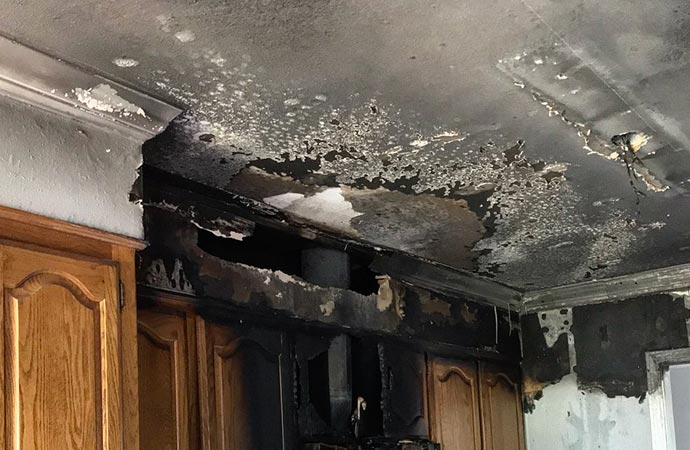
In Aventura, fire damage doesn’t always look dramatic from the outside.
Sometimes it’s a small kitchen fire in a high-rise condo. Sometimes it’s an electrical panel failure in a luxury home. Sometimes it’s smoke migration from a neighboring unit.
But here’s what we consistently observe in local properties:
The visible damage is only a fraction of the real problem.
Fire damage restoration in Aventura requires more than removing charred materials. It demands deep cleaning, odor control, moisture management, and an understanding of how fire behaves inside modern coastal buildings.
Let’s walk through what actually happens inside these properties.
Smoke Travels Farther Than Most Owners Expect
One of the most common surprises in Aventura condo fires?
Units that never experienced flames still suffer serious smoke damage.
In high-rise buildings, smoke moves through:
- HVAC systems
- Plumbing penetrations
- Elevator shafts
- Shared ventilation spaces
We’ve seen cases where a minor kitchen fire on one floor caused soot contamination two levels above.
Smoke particles are microscopic. They settle inside:
- Light fixtures
- Air vents
- Closet interiors
- Cabinet cavities
If restoration focuses only on the visibly burned room, lingering contamination remains.
Soot Type Matters — And It Changes the Cleaning Method
Not all soot is the same.
In Aventura properties, we commonly encounter:
- Protein soot (from kitchen fires)
- Wet soot (from slow-burning, smoldering materials)
- Dry soot (from fast-burning fires)
- Fuel oil soot (from certain equipment-related incidents)
Each type reacts differently to cleaning agents.
Using the wrong method can:
- Smear surfaces
- Permanently stain paint
- Drive odor deeper into materials
Proper identification determines whether surfaces can be cleaned or must be replaced.
Modern Materials Burn Differently
Many Aventura homes and condos feature modern furnishings and synthetic materials.
When these materials burn, they produce:
- Thicker smoke
- More acidic soot
- Stronger odors
- Faster residue penetration
Acidic soot can begin etching surfaces within hours.
We’ve observed:
- Corroded metal fixtures
- Dull stainless steel appliances
- Etched glass surfaces
- Permanent discoloration on stone countertops
Speed is critical after a fire event.
High-Rise Fire Restoration Challenges
Aventura is known for luxury high-rise condominiums.
Restoring fire damage in these buildings adds logistical complexity:
- Limited equipment access
- Elevator usage restrictions
- HOA coordination
- Shared HVAC systems
Containment becomes more important in vertical properties.
Without proper isolation, soot can spread to common hallways and adjacent units during restoration.
Air scrubbers, negative air machines, and sealed containment zones are essential in condo environments.
Water Damage After Fire Suppression
Many property owners focus on the fire itself.
But in Aventura properties, water damage often rivals or exceeds flame damage.
Sprinkler systems and fire department response introduce significant water into:
- Hardwood flooring
- Subfloors
- Drywall cavities
- Electrical systems
If moisture isn’t properly extracted and monitored, secondary damage develops quickly.
In South Florida’s humid climate, mold can begin forming within 24–48 hours.
Fire restoration and water mitigation must happen simultaneously.
Odor Is the Most Persistent Complaint
Even after visible soot is removed, odor can linger.
Smoke odor embeds into:
- Drywall
- Insulation
- HVAC ductwork
- Upholstered furniture
We’ve observed cases where a property “looked clean” but still smelled like smoke weeks later.
That’s because odor particles penetrate porous materials.
Effective odor removal may require:
- Thermal fogging
- Hydroxyl generators
- Ozone treatment (when appropriate)
- Removal of heavily contaminated materials
Masking odor doesn’t work. Neutralization does.
HVAC Systems: The Hidden Contamination Zone
In nearly every Aventura fire restoration project, HVAC systems require inspection.
If the system was running during the fire, smoke likely circulated throughout the ductwork.
Contaminated ducts can:
- Redistribute soot
- Reintroduce odor
- Trigger respiratory irritation
We’ve seen properties fully cleaned — only for odor to return once the AC turns on.
Professional duct cleaning and system inspection are often part of complete restoration.
Electrical System Considerations
Smoke and heat impact more than surfaces.
Electrical wiring, breaker panels, and outlets may suffer hidden damage.
Soot residue is acidic and conductive.
If not properly cleaned, it can cause:
- Short circuits
- Corrosion inside panels
- Long-term safety risks
In luxury Aventura properties with advanced lighting systems and smart home wiring, this step becomes even more critical.
Content Restoration vs. Replacement
In high-value homes, personal contents often require specialized restoration.
We frequently assess:
- Designer furniture
- Artwork
- Electronics
- Clothing and textiles
Some items can be restored using ultrasonic cleaning or controlled deodorization chambers.
Others must be declared total losses.
Accurate evaluation prevents unnecessary replacement while ensuring safety.
The Psychological Impact on Property Owners
Fire restoration isn’t just structural.
In Aventura’s tight-knit condo communities, fire events can disrupt entire floors.
Owners often feel:
- Uncertainty about structural safety
- Concern about long-term odor
- Anxiety about hidden contamination
Clear communication during restoration helps reduce stress.
Detailed moisture readings, cleaning documentation, and air quality testing provide reassurance that the property is truly safe.
Insurance Coordination in Aventura
Fire claims in Aventura often involve:
- Master condo policies
- Individual HO-6 policies
- HOA approvals
- Multiple contractors
Proper documentation includes:
- Photo records
- Moisture logs
- Equipment usage reports
- Scope-of-work breakdowns
Accurate documentation speeds approvals and reduces disputes.
Because many units are high-value, claim scrutiny is often higher than average.
What We’ve Learned from Local Properties
Across multiple Aventura restoration projects, a few patterns stand out:
- Smoke spreads farther than expected.
- HVAC systems are almost always affected.
- Odor removal requires advanced treatment — not surface cleaning.
- Water damage is frequently underestimated.
- Quick response significantly reduces long-term costs.
The sooner restoration begins, the less secondary damage occurs.
Prevention and Risk Reduction
While not every fire is preventable, certain measures reduce risk:
- Regular electrical inspections
- Appliance maintenance
- Kitchen fire suppression awareness
- Dryer vent cleaning
- Functional smoke detectors
In high-rise settings, understanding building safety protocols is equally important.
Preparedness reduces both damage and downtime.
Final Thoughts
Fire damage restoration in Aventura is rarely straightforward.
Between high-rise construction, modern materials, shared systems, and humid coastal conditions, restoration requires precision and experience.
The real-world observation?
The damage you see is only part of the story.
True restoration means addressing:
- Soot contamination
- Odor penetration
- HVAC spread
- Water damage
- Electrical safety
Handled correctly, properties can return to pre-loss condition.
Handled incompletely, hidden contamination lingers.
In a coastal luxury market like Aventura, restoration must be thorough, documented, and executed with long-term protection in mind.