
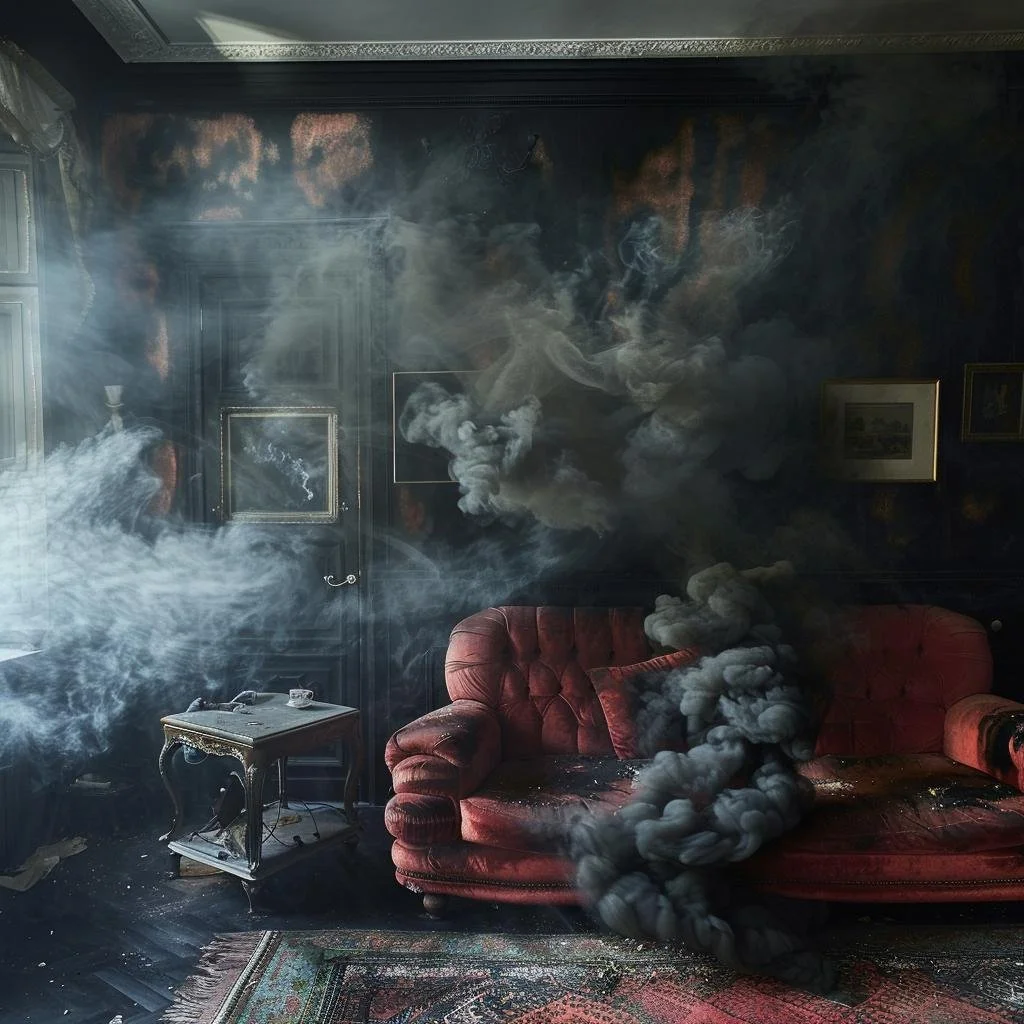
Fire Damage Restoration in Bayfront Homes in North Miami: Real-World Observations from Local Properties
Fire damage in bayfront homes in North Miami presents a different level of complexity compared to inland properties.
These homes sit directly along Biscayne Bay or connected waterways. They experience constant salt exposure, high humidity, elevated winds, and often feature custom architecture and high-end finishes.
When a fire occurs in this environment, the damage doesn’t stop with flames.
Based on real-world observations from local properties, restoration requires a deeper approach — one that accounts for coastal climate, structural design, and material sensitivity.
Let’s walk through what actually happens in these homes.
Fire Damage Looks Different in Waterfront Homes
In many North Miami bayfront properties, we see:
- Open-concept layouts
- High ceilings
- Large glass walls
- Expansive HVAC systems
- Wood decking and dock access
These design elements change how fire and smoke behave.
Open layouts allow smoke to spread quickly across large areas. High ceilings trap heat and soot overhead. Large return air systems circulate smoke throughout the property if the HVAC system is running.
The visible burn zone is often only part of the affected area.
Smoke Migration Is More Extensive Than Expected
One of the most consistent observations in bayfront fire restoration:
Smoke travels farther than homeowners assume.
We routinely find soot inside:
- Air vents
- Closet interiors
- Kitchen cabinets
- Attic framing
- Dock-side storage areas
Even if flames were contained to a kitchen or living room, soot contamination can reach bedrooms on the opposite side of the home.
In waterfront homes with multi-zone HVAC systems, contamination often spreads through ductwork rapidly.
That’s why restoration must go beyond surface cleaning.
Salt Air Compounds Fire Damage
North Miami’s bayfront homes are constantly exposed to salt air.
After a fire, this creates a serious secondary issue.
Soot residue is acidic. Salt is corrosive.
When these combine, corrosion accelerates on:
- Metal railings
- Stainless steel appliances
- Electrical panels
- Light fixtures
- Structural fasteners
We’ve seen cases where corrosion began within days of the fire event.
Immediate cleaning and neutralization are critical to prevent long-term structural weakening.
Water Damage Is Often Severe
In waterfront homes, fire suppression introduces large volumes of water.
Sprinkler systems and fire department hoses saturate:
- Hardwood floors
- Subfloor systems
- Custom cabinetry
- Wall cavities
- Insulated attic spaces
Because humidity is already high near the bay, drying times are longer than inland properties.
If drying is delayed or incomplete:
- Wood flooring cups and warps
- Cabinet bases swell
- Mold begins forming within 48 hours
Fire damage restoration must include aggressive water mitigation from the start.
Dock Areas and Exterior Structures Are Often Overlooked
Bayfront homes frequently include:
- Wooden docks
- Boat lifts
- Outdoor kitchens
- Covered terraces
Smoke and heat can affect these areas even if flames did not directly reach them.
Soot settles on exterior surfaces and mixes with coastal moisture, creating staining and accelerated deterioration.
Proper restoration includes inspection of all connected structures — not just the interior living space.
HVAC Systems Require Full Evaluation
In North Miami waterfront homes, HVAC systems are typically larger and more complex.
If the system was running during the fire:
- Soot circulates through supply lines
- Odor embeds in duct insulation
- Air handlers become contaminated
We’ve observed homes fully cleaned — only to have smoke odor return when the AC turns on.
Complete restoration includes:
- Duct cleaning
- Coil inspection
- Filter replacement
- Air handler decontamination
Skipping HVAC cleaning often leads to recurring odor issues.
High-End Materials Require Specialized Handling
Bayfront homes often contain:
- Custom millwork
- Imported stone
- Designer cabinetry
- Exotic hardwood flooring
- Integrated smart home systems
These materials respond differently to heat and moisture.
For example:
- Hardwood expands rapidly when saturated
- Veneered cabinetry delaminates
- Stone surfaces can etch from acidic soot
- Electronics suffer hidden corrosion
Restoration teams must carefully assess what can be salvaged and what must be replaced.
Precision matters in luxury properties.
Electrical System Risks Are Higher Near the Bay
Salt exposure combined with fire damage increases electrical risks.
Soot is conductive. Salt accelerates corrosion.
Electrical panels, wiring, and outlets must be thoroughly inspected.
We’ve encountered situations where electrical components appeared intact but later failed due to corrosion inside connections.
Electrical safety checks are a mandatory part of restoration in coastal properties.
Odor Removal Is Often the Longest Phase
Smoke odor in bayfront homes can be persistent.
Moist coastal air allows odor particles to remain embedded in:
- Insulation
- Framing lumber
- Soft furnishings
- Wall cavities
Odor removal often requires:
- HEPA air scrubbing
- Thermal fogging
- Hydroxyl treatment
- Controlled ozone application (when appropriate)
Simply repainting walls does not eliminate odor.
True deodorization targets microscopic smoke particles.
Mold Risk Increases After Fire Events
Because these homes sit near water and experience high humidity, mold risk increases dramatically after fire suppression.
Even if visible fire damage is limited, residual moisture can trigger microbial growth inside:
- Wall cavities
- Subfloor systems
- Attic insulation
Restoration must include moisture mapping and monitoring until levels return to normal.
Without proper drying, a fire restoration project can turn into a mold remediation project weeks later.
Insurance Complexity in Waterfront Properties
Bayfront homes often carry higher property values and specialized insurance policies.
Claims may involve:
- Structure
- Contents
- Dock and marine structures
- Outdoor features
- HOA considerations (if in gated waterfront communities)
Detailed documentation of moisture readings, cleaning procedures, and restoration steps is essential.
Thorough reporting helps prevent claim disputes.
Real-World Lessons from North Miami Bayfront Properties
Across multiple projects, certain patterns repeat:
- Smoke spreads farther than visible damage suggests.
- Salt air accelerates post-fire corrosion.
- Water damage often exceeds burn damage.
- HVAC systems are almost always contaminated.
- Rapid response significantly reduces material replacement.
The faster containment, cleaning, and drying begin, the more materials can be preserved.
Final Thoughts
Fire damage restoration in bayfront homes in North Miami requires more than standard repair procedures.
Coastal exposure, salt air, humidity, luxury materials, and complex HVAC systems all influence the restoration process.
The real-world observation?
The damage you see is only part of the story.
Proper restoration addresses:
- Soot contamination
- Water saturation
- Corrosion risk
- Odor penetration
- Structural safety
Handled thoroughly, bayfront properties can be restored to pre-loss condition.
Handled partially, hidden damage continues quietly beneath the surface.
In a coastal waterfront environment, precision and speed are everything.