
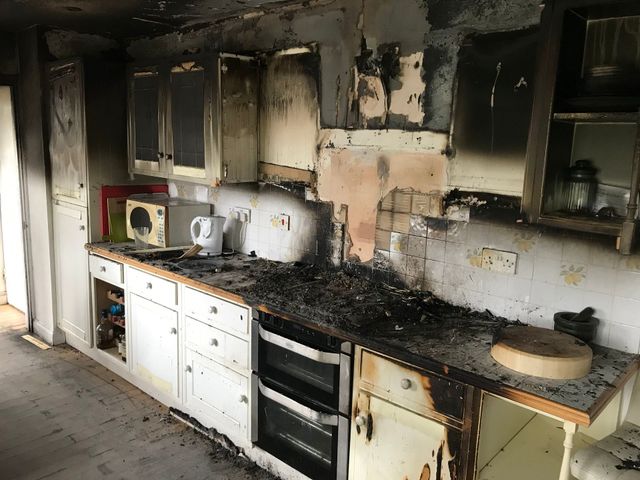
Fire Damage Restoration in Biscayne Park in Rental Properties: What to Watch For
Fire damage in rental properties presents challenges that are often different from those in owner-occupied homes. In Biscayne Park, many rental houses and small multi-unit properties are older structures that may already have wear in electrical systems, ventilation, or roofing. When a fire occurs—even a small one—the damage often extends beyond the visible burn area, affecting air quality, structural materials, and moisture levels throughout the property.
Understanding what to watch for after a fire helps property owners and landlords protect their investment, restore the property properly, and prevent long-term problems that may affect future tenants.
What Fire Damage Restoration Really Involves
Fire damage restoration is a process that goes far beyond cleaning charred surfaces. Restoration includes removing soot and smoke residue, drying moisture left from firefighting, deodorizing affected areas, and repairing damaged materials.
In many rental properties, smoke travels through vents, wall cavities, and ceiling spaces, leaving residue far from the original fire location. Even small fires can create widespread contamination that requires careful cleaning and inspection.
Proper restoration focuses on both visible damage and hidden effects to ensure the property is safe and livable again.
Why Fire Damage Can Be More Complex in Rental Properties
Rental properties in Biscayne Park often experience higher occupancy turnover, which means maintenance issues may go unnoticed longer. Small electrical problems, overloaded circuits, or aging appliances can increase fire risks in some cases.
After a fire, multiple units or rooms may be affected by smoke even if flames were contained in one area. Shared ventilation systems can spread smoke particles throughout the building, making restoration more extensive than expected.
Moisture from firefighting also presents challenges. Water used to extinguish a fire can soak into flooring, drywall, and framing, creating conditions where mold may develop if drying is delayed.
How Coastal Climate Affects Fire Restoration
Biscayne Park’s climate plays a major role in restoration. High humidity slows drying, allowing moisture to remain trapped in materials longer than in drier regions. This increases the risk of mold growth after firefighting efforts.
Salt air in coastal environments may also accelerate corrosion on metal fixtures, wiring, and appliances that have been exposed to smoke and moisture. Over time, this corrosion can affect structural components and electrical systems if not addressed promptly.
These environmental factors mean restoration must be thorough and carefully monitored.
Signs of Hidden Fire and Smoke Damage
Some fire damage is immediately visible, but other problems may appear gradually. Property owners should watch for:
- Persistent smoke odors
- Yellow or gray stains on walls or ceilings
- Residue around vents or light fixtures
- Warped drywall or baseboards
- Increased humidity indoors
These signs often indicate that smoke particles or moisture remain in the property even after initial cleanup.
Areas Commonly Overlooked After a Fire
One of the most common issues in rental property restoration is hidden damage in areas that are not immediately visible. Smoke can settle inside ductwork, attic spaces, and behind walls. Soot residue is acidic and can gradually damage materials if not removed properly.
Insulation may also absorb smoke odors, making odor removal more difficult if not addressed during restoration. Flooring and subfloors can trap moisture from firefighting, leading to long-term deterioration if drying is incomplete.
A thorough inspection helps identify these overlooked areas before repairs begin.
Why DIY Cleanup Often Causes Problems
Some landlords attempt to clean fire damage using household cleaners or repainting affected areas. While this may improve appearance temporarily, it rarely removes soot embedded in porous materials or neutralizes smoke odors.
Improper cleaning methods can spread soot particles or push them deeper into surfaces. Odors often return because the source of contamination was not fully removed.
Professional restoration equipment is designed to remove soot safely and clean affected materials without causing additional damage.
The Professional Restoration Process
Fire damage restoration usually begins with a detailed inspection to determine the extent of fire, smoke, and water damage. Technicians assess structural materials, HVAC systems, and areas where moisture may be trapped.
Soot and debris are carefully removed, and cleaning solutions designed for smoke damage are used on walls, ceilings, and other surfaces. Air filtration equipment helps remove airborne particles and improve indoor air quality.
If water damage is present, drying equipment such as air movers and dehumidifiers is installed to remove moisture from affected materials. Moisture levels are monitored until drying is complete.
Companies like Tip Top Water and Fire Damage Restoration often emphasize careful drying and monitoring because incomplete drying is one of the main causes of recurring damage in rental properties.
Smoke Odor Removal and Air Quality
Smoke odors can persist long after visible damage is repaired. Odor removal often involves deep cleaning of surfaces, ventilation systems, and structural materials. Air scrubbers help remove fine particles that contribute to lingering smells.
In rental properties, odor removal is especially important because lingering smoke smells can affect tenant comfort and the overall condition of the property.
Proper ventilation and cleaning help restore fresh indoor air and prevent odors from returning.
HVAC Systems and Fire Damage
Air conditioning systems can spread smoke particles throughout a property. Once soot enters ductwork, it may continue circulating even after visible damage is cleaned.
During restoration, technicians often inspect ducts and air handlers to ensure smoke residue has not accumulated inside the system. Cleaning ducts helps improve airflow and indoor air quality after restoration is complete.
Maintaining HVAC systems properly also reduces the likelihood of future fire risks related to overheating or airflow restrictions.
Preventing Future Fire-Related Problems
Property owners in Biscayne Park can reduce future risks by performing regular maintenance and inspections. Electrical systems should be checked periodically, especially in older rental properties. Appliances and HVAC systems should also be inspected to ensure they are functioning safely.
Keeping dryer vents and duct systems clean helps prevent overheating. Installing and maintaining smoke detectors is another essential safety measure.
Routine inspections between tenants can help identify potential hazards before they become serious problems.
Why Local Experience Matters
Fire damage restoration in South Florida requires knowledge of local climate conditions and building practices. Homes and rental properties in Biscayne Park face challenges related to humidity, coastal air exposure, and storm-related moisture.
Professionals familiar with nearby communities such as North Miami, Miami Shores, and El Portal understand how these factors affect drying times, airflow, and structural materials. Local experience allows technicians to anticipate potential complications and apply restoration methods that work in this environment.
Tip Top Water and Fire Damage Restoration has worked on many restoration projects in these areas, where early intervention prevented long-term structural damage and costly repairs.
A Practical Approach to Restoring Rental Properties
Fire damage in rental properties can be stressful, but proper restoration helps return the property to a safe and livable condition. Careful inspection, thorough cleaning, and complete drying are essential steps in preventing long-term damage.
For property owners in Biscayne Park, paying attention to hidden damage, maintaining HVAC systems, and addressing moisture quickly can significantly reduce future problems. With timely restoration and preventive maintenance, rental properties can remain safe, comfortable, and ready for occupancy even after fire-related incidents.