
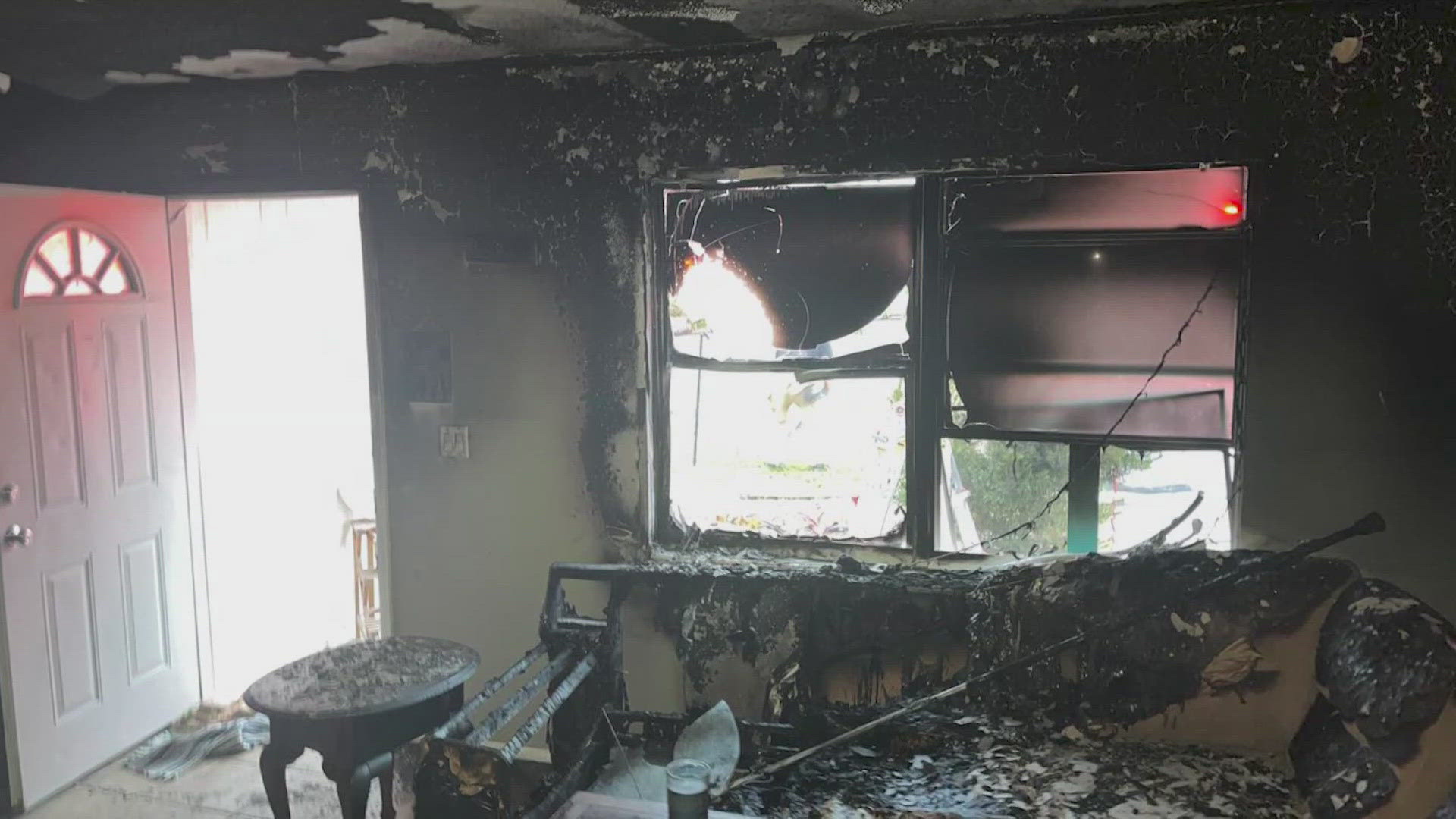
Fire Damage Restoration in Biscayne Park When Humidity Stays High for Weeks: What to Watch For
In Biscayne Park, fire damage rarely happens in isolation. After the flames are out and the fire department leaves, the real work begins — especially when South Florida humidity stays elevated for days or even weeks.
High humidity changes everything.
What might be a straightforward restoration project in a dry climate becomes more complicated in Biscayne Park’s warm, moisture-heavy air. Soot reacts differently. Materials dry slower. Odors embed deeper. Corrosion accelerates.
If your property has experienced a fire event during a humid stretch — which is common for much of the year — here’s what to watch for during fire damage restoration.
Smoke Residue Becomes More Corrosive
Soot particles are acidic by nature.
When indoor humidity remains high, soot absorbs moisture from the air. That combination creates a corrosive film that can begin damaging surfaces quickly.
Watch for:
- Tarnishing on metal fixtures
- Discoloration on stainless steel appliances
- Etching on glass
- Sticky residue on painted walls
In humid conditions, corrosion can begin within 24–48 hours.
Delaying cleanup allows soot to bond more aggressively to surfaces.
Odor Embeds Deeper in Porous Materials
Humidity increases how deeply smoke odor penetrates:
- Drywall
- Wood framing
- Upholstery
- Carpet
- Insulation
In Biscayne Park homes, many of which feature older construction materials, odor absorption can be significant.
If humidity remains above 60%, odor molecules settle into materials more firmly.
Even after surface cleaning, smell may linger unless proper air scrubbing and deodorization are performed.
Persistent odor is a sign that humidity is amplifying the problem.
Structural Drying Takes Longer
Fire suppression often introduces water into the property.
When humidity remains high outdoors, natural drying slows dramatically.
This creates risk for:
- Secondary mold growth
- Warped flooring
- Swollen cabinetry
- Damp attic insulation
Industrial dehumidification becomes critical.
Without controlled drying, moisture from suppression efforts may remain trapped inside wall cavities.
Moisture detection ensures materials return to safe levels before reconstruction begins.
Attic Spaces Trap Humid, Contaminated Air
Smoke rises quickly into attic areas.
In Biscayne Park homes with vented attics, humid outdoor air can mix with soot contamination.
This creates a combination of:
- Damp insulation
- Odor retention
- Increased corrosion risk on fasteners
Attic inspection is especially important during extended humid periods.
If insulation absorbed both smoke and moisture, removal may be necessary.
Ignoring attic contamination allows odor to re-enter living spaces.
HVAC Systems Circulate Moisture and Soot
Air conditioning systems in South Florida operate nearly year-round.
If smoke entered return vents during the fire event, soot may have circulated throughout the system.
High humidity can worsen contamination by:
- Increasing condensation inside ducts
- Dampening duct insulation
- Allowing odor to spread further
HVAC inspection during fire damage restoration is essential.
In some cases, air duct cleaning becomes part of stabilization.
Without addressing the system, odor and particles may continue circulating.
Mold Risk Increases During Extended Humidity
In humid climates, mold can begin forming within 24–48 hours of water exposure.
If fire suppression water remains trapped in walls or ceilings, and humidity stays elevated for weeks, mold risk rises.
Watch for:
- Musty odor separate from smoke smell
- Dark spotting on damp drywall
- Soft baseboards
- Elevated indoor humidity readings
Fire damage restoration must include moisture control to prevent secondary mold issues.
Smoke cleanup alone is not enough.
Metal Components Corrode Faster
Humidity combined with soot accelerates corrosion.
Affected items may include:
- Door hinges
- Light fixtures
- Electrical panels
- HVAC components
- Fasteners in framing
In coastal areas near Biscayne Bay, salt in the air compounds this effect.
Inspection of mechanical and electrical components protects long-term safety.
Ceiling and Upper Wall Staining Darkens
Smoke residue left untreated during humid weeks may darken and stain permanently.
Ceiling corners, crown molding, and upper walls often show:
- Yellowing paint
- Sticky residue
- Fine black soot buildup
High humidity slows evaporation of cleaning agents as well, requiring careful restoration procedures.
Prompt cleaning reduces permanent discoloration.
Reconstruction Must Wait for Stabilization
Homeowners often want rebuilding to begin quickly.
But in humid conditions, rebuilding too soon traps moisture inside walls.
Before reconstruction:
- Moisture levels must be verified
- Duct systems evaluated
- Attic spaces inspected
- Odor neutralization completed
Fire damage restoration is complete only when the structure is stable — not just when it looks clean.
Patience prevents future problems.
The Structured Restoration Approach in Humid Conditions
When humidity remains high for weeks, fire damage restoration typically includes:
- Immediate soot containment and air filtration
- Surface cleaning before corrosion worsens
- Aggressive dehumidification
- Moisture monitoring until safe readings are confirmed
- HVAC inspection and stabilization
- Odor neutralization treatments
- Controlled reconstruction
Each step accounts for environmental moisture.
Skipping moisture control increases long-term risk.
Preventive Monitoring After Restoration
After restoration is complete, property owners in Biscayne Park should:
- Maintain indoor humidity between 45–55%
- Replace HVAC filters regularly
- Inspect attic insulation
- Monitor for recurring odor
- Schedule HVAC servicing annually
Stable indoor conditions prevent reactivation of residual particles.
Humidity management remains essential long after visible cleanup.
Why Local Coastal Experience Matters
Fire damage restoration in Biscayne Park requires understanding:
- Extended humidity effects
- Older home construction
- Attic ventilation patterns
- HVAC performance in coastal climates
- Salt air corrosion
A restoration professional familiar with Biscayne Park, North Miami, Miami Shores, Aventura, and nearby bayfront communities understands how humidity interacts with smoke damage.
Tip Top Water and Fire Damage Restoration has handled fire-related restoration projects throughout these neighborhoods, applying strategies tailored specifically to South Florida’s humid conditions.
Local expertise ensures stabilization — not just cosmetic repair.
A Practical Perspective
When humidity stays high for weeks, fire damage restoration becomes more complex.
What to watch for:
- Accelerated corrosion
- Deep odor penetration
- Slower structural drying
- Mold risk after suppression water
- HVAC contamination
- Darkening soot stains
In Biscayne Park’s humid coastal environment, time and moisture are critical factors.
Acting quickly and using controlled drying methods protects structural integrity and indoor air quality.
Fires may be contained within minutes.
Humidity extends the impact for weeks.
Understanding that interaction allows property owners to approach restoration realistically — and protect their homes long term.