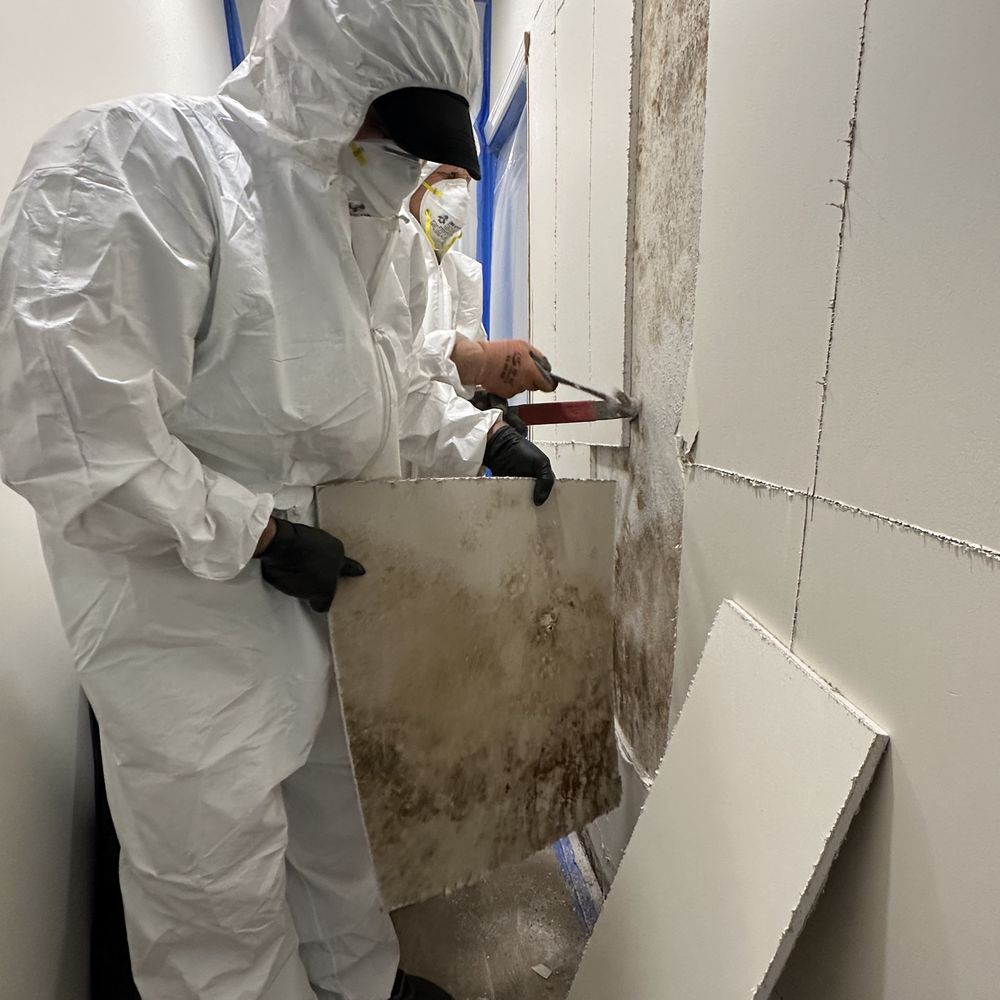
Fire Damage Restoration in North Miami Beach: Real-World Observations from Local Properties
North Miami Beach, with its diverse residential communities, waterfront properties, and vibrant neighborhoods, offers an appealing lifestyle for homeowners, landlords, and tenants. However, the combination of older homes, modern multi-family buildings, and the region’s unique environmental conditions means that fire incidents, though not frequent, can have significant consequences. For property owners, understanding fire damage restoration and its real-world application in North Miami Beach is essential to protect property value, minimize loss, and restore homes safely.
Fire damage extends far beyond visible charring or smoke stains. Heat, smoke, and soot can infiltrate walls, ceilings, HVAC systems, and personal belongings. In coastal environments like North Miami Beach, residual humidity, high temperatures, and ventilation patterns can further complicate restoration efforts. Real-world observations from local properties reveal the critical importance of a structured, professional approach to fire damage restoration.
Understanding Fire Damage in North Miami Beach
Fire damage in homes typically involves three primary elements:
- Direct Flame Damage – Burned materials, melted structures, and structural compromises caused by the fire itself.
- Smoke and Soot Damage – Soot deposits, smoke odors, and chemical residues can penetrate surfaces, fabrics, and ventilation systems, affecting indoor air quality.
- Water and Moisture Damage – Firefighting efforts often involve water, leading to secondary water damage in carpets, drywall, and subflooring.
Each of these factors requires specific attention during the restoration process. Unlike simple cleaning, fire damage restoration is a comprehensive operation that addresses both visible and hidden impacts of fire events.
Common Causes of Fire Damage in North Miami Beach
Observations from local properties highlight several frequent causes of residential fires:
- Kitchen Fires – Cooking accidents remain a leading cause of residential fires in coastal homes.
- Electrical Malfunctions – Aging wiring, overloaded circuits, and appliance failures contribute to fire incidents.
- AC and HVAC Systems – Overheating units or electrical issues in ductwork occasionally spark fires, particularly in older or poorly maintained systems.
- Candles and Open Flames – Mismanaged candles or decorative flames can ignite nearby combustible materials.
- Tenant or Human Error – In rental properties, accidental fires are sometimes caused by unattended cooking, smoking, or misuse of appliances.
Identifying common causes helps property owners implement preventive measures and better prepare for potential fire incidents.
Immediate Concerns After a Fire
Following a fire in a North Miami Beach property, the primary concerns are often:
- Safety – Ensuring structural integrity and preventing injuries from weakened floors, ceilings, or walls.
- Water Damage from Firefighting – Water used to extinguish the fire can seep into carpets, subflooring, and walls, creating conditions for mold growth.
- Smoke and Soot Residue – Particulate matter from smoke can infiltrate HVAC systems, fabrics, and surfaces, causing lingering odors and potential health issues.
- Electrical Hazards – Damaged wiring and appliances may pose ongoing risks until inspected by professionals.
Prompt professional intervention is critical to mitigate these risks and stabilize the property.
Real-World Observations from Local Properties
Experience in North Miami Beach and surrounding neighborhoods—including North Miami, Sunny Isles Beach, Bal Harbour, Aventura, Miami Shores, Surfside, and Biscayne Park—reveals several patterns in fire damage restoration:
- Hidden Smoke Penetration
Smoke can infiltrate walls, cabinets, and HVAC systems, leaving odors and residues that are not visible initially. Restoration requires specialized cleaning and deodorization to fully address these hidden impacts. - Secondary Water Damage
Water used to extinguish flames often affects carpet, hardwood floors, drywall, and furniture. In rental properties, this can complicate restoration timelines and increase costs. - Rapid Corrosion in Coastal Environments
Salt-laden air in coastal homes accelerates corrosion of metal components after fire exposure, particularly when combined with firefighting water. - Tenant Property Loss
In multi-unit buildings or rental properties, personal belongings often require separate restoration strategies, including cleaning, drying, and deodorization. - Recurring Odor Challenges
Even after cleaning, smoke odors can persist in fabrics, furniture, and ductwork, necessitating repeated treatments or specialized deodorization techniques.
These real-world patterns illustrate why professional restoration is necessary to fully recover properties after fire incidents.
Steps in Professional Fire Damage Restoration
A structured fire damage restoration process in North Miami Beach typically includes the following steps:
1. Assessment and Inspection
Technicians evaluate the extent of fire, smoke, and water damage. Moisture meters, thermal imaging, and visual inspections determine which areas require cleaning, repair, or replacement.
2. Water Removal and Drying
If water was used to fight the fire, water extraction is prioritized to prevent mold and further structural damage. Industrial fans and dehumidifiers are deployed to dry affected areas.
3. Smoke and Soot Cleaning
Specialized vacuums, chemical cleaners, and HEPA filtration remove soot from walls, ceilings, and other surfaces. Fabrics, carpets, and upholstery are treated to remove odors and residues.
4. HVAC System Cleaning
Smoke and soot often infiltrate ductwork. Professional cleaning ensures the HVAC system does not continue to circulate contaminants.
5. Structural Repairs and Reconstruction
Damaged walls, ceilings, and flooring may require repair or replacement. Reconstruction efforts are tailored to restore the property safely and to pre-fire condition.
6. Deodorization and Final Inspection
Advanced deodorization techniques remove lingering smoke odors. Technicians conduct a final inspection to ensure all fire and water damage has been addressed.
Challenges Unique to North Miami Beach Properties
Restoration professionals in North Miami Beach encounter specific challenges due to the local environment:
- High Humidity – Promotes mold growth in areas affected by firefighting water.
- Salt Air Exposure – Accelerates corrosion in metal ductwork, plumbing, and fixtures.
- Older Buildings – Aging construction materials are more susceptible to fire and water damage.
- Multi-Unit Buildings – Shared ventilation and walls complicate restoration efforts.
Addressing these challenges requires local expertise and experience with North Miami Beach’s building types and climate conditions.
Preventive Measures for Fire Safety
While restoration addresses the aftermath of fire, prevention remains the best strategy:
- Regular Electrical Inspections – Ensure wiring and appliances are in safe condition.
- AC and HVAC Maintenance – Prevent overheating or electrical faults in units.
- Tenant Education – Encourage safe cooking, proper candle use, and prompt reporting of hazards.
- Smoke Alarms and Fire Suppression – Maintain functional smoke detectors and sprinkler systems in multi-unit properties.
- Proper Storage of Combustibles – Keep flammable materials away from heat sources.
Preventive measures reduce the likelihood of fire incidents and limit the scope of potential damage.
Importance of Local Expertise
Fire damage restoration in North Miami Beach requires knowledge of:
- Coastal humidity, salt exposure, and their impact on materials
- Common building types in single-family homes, condos, and multi-unit rentals
- Specialized techniques for soot, smoke, and odor removal in humid environments
- Coordinated restoration when water, smoke, and structural damage overlap
Tip Top Water and Fire Damage Restoration has extensive experience serving North Miami Beach, North Miami, Sunny Isles Beach, Bal Harbour, Aventura, Miami Shores, Surfside, Biscayne Park, and nearby neighborhoods. Their local knowledge ensures fire-damaged properties are restored efficiently, safely, and effectively.
Moving Forward After Fire Damage
For homeowners, landlords, and property managers, fire damage restoration is part of a broader property maintenance strategy. Key steps after restoration include:
- Conducting routine inspections of electrical systems, AC units, and roofing
- Implementing preventive measures for fire safety
- Educating tenants on fire hazards and reporting procedures
- Scheduling periodic professional inspections of HVAC systems and ductwork
- Maintaining detailed records of fire incidents and restoration efforts for insurance or compliance purposes
By combining professional restoration with preventive strategies, properties in North Miami Beach can recover fully from fire damage while minimizing future risks.