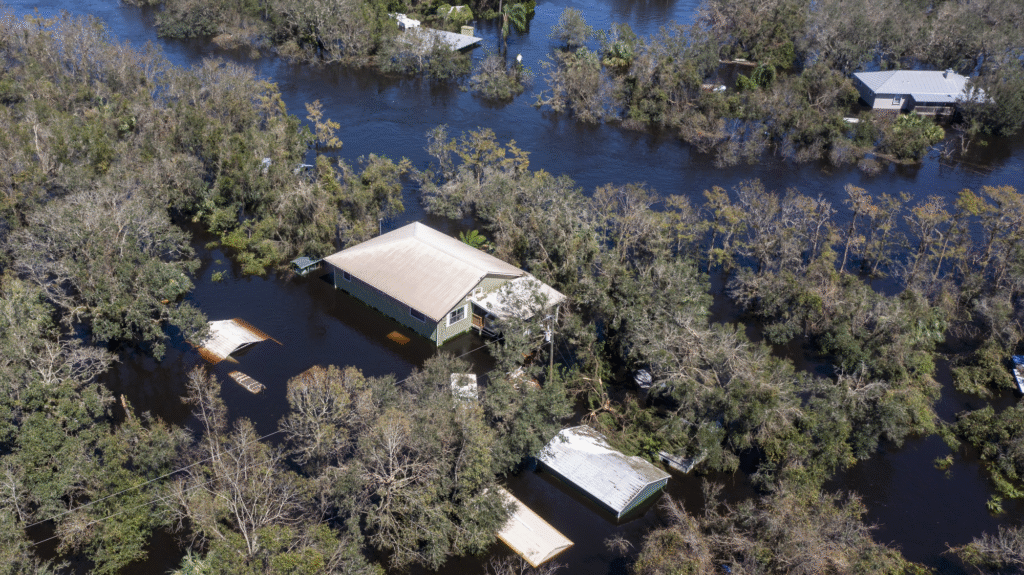
Flood Restoration in Aventura: What Experienced Inspectors Look For
Aventura, Florida, is a vibrant coastal city known for its high-rise condos, waterfront properties, and single-family homes. While living near the water offers scenic views and a unique lifestyle, it also introduces specific risks, particularly when it comes to flooding. Heavy seasonal rains, tropical storms, and high tides can quickly overwhelm drainage systems, leading to water intrusion in homes. For property owners, understanding what experienced flood inspectors look for during restoration is essential to protect property value, structural integrity, and indoor air quality.
1. The Importance of Flood Restoration
Flood restoration involves removing water, drying affected areas, and repairing or restoring damaged property. In Aventura, it is especially critical due to:
- Coastal humidity that slows natural drying
- Salt-laden air that accelerates corrosion
- Multi-level homes and slab foundations where water can infiltrate hidden areas
Ignoring flood damage can result in mold growth, structural deterioration, and lasting odors. Flood restoration ensures that water intrusion is addressed quickly, minimizing both immediate and long-term problems.
2. Common Causes of Flooding in Aventura Homes
Flood inspectors encounter a variety of causes for water intrusion, including:
- Heavy rainfall and tropical storms: Sudden or prolonged rainfall can overwhelm drainage systems.
- High tides and storm surges: Coastal homes are particularly vulnerable to water intrusion during hurricanes or king tides.
- Plumbing failures: Burst pipes, leaking water heaters, and faulty appliances can flood interior spaces.
- AC condensation overflow: Clogged or damaged AC lines can saturate flooring and subflooring.
- Roof and window leaks: Water may penetrate through damaged shingles, flashing, or window seals.
Understanding the source of flooding helps inspectors determine the most effective restoration strategy.
3. Early Signs of Flood Damage
Experienced inspectors know to look for subtle indications of water intrusion, including:
- Discoloration or warping of walls and flooring
- Musty or mildew odors
- Soft spots or swelling in subflooring
- Standing water in low-lying areas
- Corrosion or staining on metal fixtures
Even minor flooding that appears to dry on its own can leave hidden moisture behind, which can cause serious problems if not addressed promptly.
4. Hidden Flood Damage
Aventura homes often have areas that conceal water accumulation:
- Under carpets and padding: Water can seep beneath flooring and saturate subfloors.
- Inside walls and insulation: Moisture may penetrate drywall or insulation, causing rot and mold.
- Crawl spaces and slab foundations: Water can pool beneath the surface, remaining undetected for weeks.
- HVAC systems and ductwork: Moisture can infiltrate ducts, spreading odors and promoting microbial growth.
Inspectors focus on these hidden areas to prevent long-term damage.
5. Why Professional Flood Inspection Matters
Many homeowners attempt DIY water removal, but professional inspectors provide crucial advantages:
- Thorough detection of visible and hidden water using moisture meters and thermal imaging
- Accurate assessment of structural damage to floors, walls, and foundations
- Identification of mold and microbial risks in damp, humid environments
- Detailed restoration plan tailored to the property type and extent of flooding
Professional evaluation ensures that flood damage is addressed completely and efficiently.
6. The Flood Restoration Process
Flood restoration in Aventura typically follows a structured process:
Step 1: Initial Assessment
- Inspectors determine the extent of water intrusion and damage.
- Moisture levels in walls, floors, and ceilings are measured.
- Potential microbial growth or contamination is assessed.
Step 2: Water Extraction
- Industrial water extractors remove standing water from carpets, flooring, and subflooring.
- Hidden water in walls, crawl spaces, or under slabs is accessed and removed.
Step 3: Drying and Dehumidification
- Air movers, dehumidifiers, and targeted airflow techniques accelerate drying.
- Moisture monitoring ensures that affected areas reach safe dryness levels.
- HVAC systems may be evaluated to prevent moisture circulation.
Step 4: Cleaning and Sanitization
- Carpets, upholstery, and soft furnishings are cleaned and treated.
- Hard surfaces are sanitized with antimicrobial solutions.
- Odor removal techniques neutralize smoke, mildew, or stagnant water smells.
Step 5: Repair and Restoration
- Damaged drywall, flooring, or insulation is replaced.
- Carpets and subfloors are restored to prevent warping or permanent stains.
- Preventive measures, such as moisture barriers or protective coatings, may be applied.
7. Common Challenges in Aventura Homes
Flood inspectors face several unique obstacles in the area:
- High humidity: Slows drying times and promotes microbial growth.
- Salt air exposure: Accelerates corrosion in metal fixtures, ducts, and fasteners.
- Multi-level properties: Water may travel between floors and walls, complicating detection.
- Older construction materials: Porous surfaces can trap water and odors for extended periods.
Understanding these challenges allows inspectors to plan restoration strategies effectively.
8. Preventive Measures for Homeowners
While flood events cannot always be prevented, homeowners can take steps to minimize damage:
- Regular roof and gutter inspections to ensure proper drainage
- Routine plumbing checks for leaks or weak points
- AC system maintenance to prevent condensate overflow
- Humidity control with dehumidifiers and proper ventilation
- Emergency preparedness with water alarms, sump pumps, or temporary flood barriers
Preventive strategies complement professional restoration and reduce the risk of recurring damage.
9. Lessons from Local Aventura Properties
Experienced inspectors share insights from real properties:
- Hidden moisture is often more destructive than visible flooding.
- Seasonal inspections, especially before hurricane season, significantly reduce risk.
- AC lines, slab foundations, and crawl spaces are frequent sources of unseen water.
- Prompt intervention mitigates structural damage and mold proliferation.
These lessons reinforce the importance of early detection and professional flood restoration.
10. Why Local Expertise Matters
Working with a restoration company familiar with Aventura’s climate and construction ensures:
- Knowledge of coastal flooding patterns and storm risks
- Understanding of multi-story and slab-built properties
- Effective use of detection and restoration technologies
- Guidance on preventive strategies and long-term home care
Local experience enhances the accuracy and efficiency of flood restoration efforts.
11. Long-Term Benefits of Proper Flood Restoration
Proper flood restoration protects homeowners in several ways:
- Structural integrity: Floors, walls, and subfloors are preserved.
- Indoor air quality: Mold and microbial risks are minimized.
- Property value: Homes retain market value after flooding incidents.
- Cost savings: Early intervention reduces the need for extensive repairs later.
Investing in professional restoration ensures that homes remain safe, dry, and resilient.
12. Final Thoughts
Flood restoration in Aventura is critical for maintaining the health, safety, and value of bayfront and inland properties. Experienced inspectors focus on both visible and hidden water damage, structural assessment, and microbial risks. Coastal humidity, salt air exposure, and multi-level construction complicate flood restoration, making local expertise essential. Homeowners who act promptly, rely on professional services, and implement preventive measures can protect their properties from long-term damage and enjoy the unique lifestyle that Aventura offers with confidence.