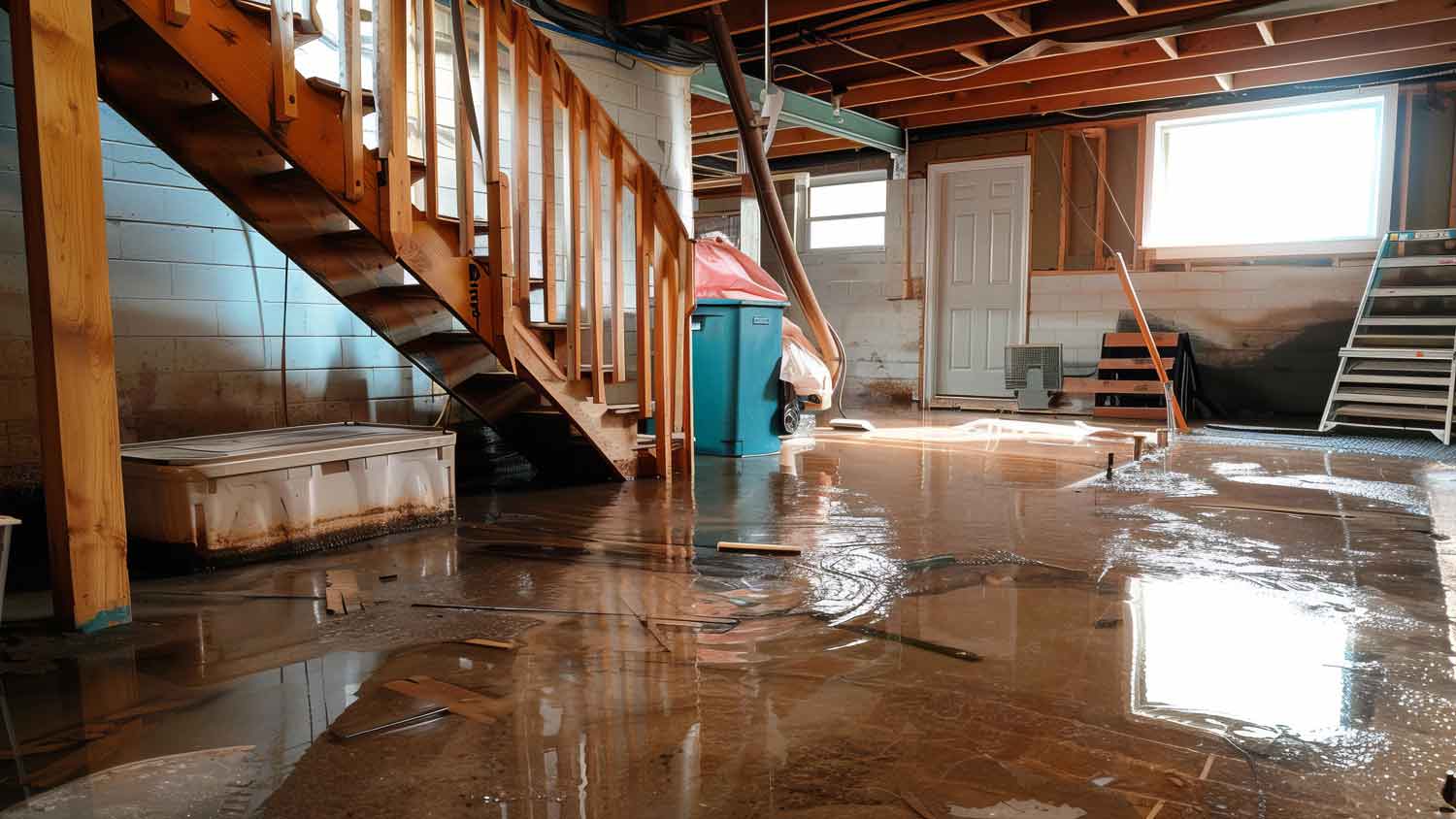
Flood Restoration in Biscayne Park: Real-World Observations from Local Properties
Flooding is not uncommon in Biscayne Park. Heavy rainstorms, plumbing failures, and rising groundwater can all introduce water into homes and rental properties, sometimes with very little warning. In many cases, the real damage isn’t obvious immediately. Water seeps into flooring, wall cavities, and structural materials, creating problems that may take days or weeks to fully appear.
Property owners who understand how flood damage develops—and how restoration works—are far better prepared to respond quickly and prevent long-term structural issues.
What Flood Damage Really Involves
When water enters a property, it rarely stays confined to one area. Flooring materials absorb moisture, drywall acts like a sponge, and humidity spreads into the air and ventilation systems.
Flood damage often includes:
- Saturated drywall and insulation
- Warped flooring or baseboards
- Moisture trapped in subfloors
- Odors caused by damp materials
- Increased risk of mold growth
In Biscayne Park, high humidity slows drying, which means moisture can remain hidden even after surfaces appear dry.
Why Flooding Happens Frequently in Biscayne Park
Local conditions play a significant role in flood damage patterns.
Heavy seasonal rainfall is one of the most common causes. Sudden downpours can overwhelm drainage systems, allowing water to accumulate around foundations and enter through doors, low windows, or small structural gaps.
Another frequent cause is plumbing failure. Burst supply lines, leaking water heaters, and damaged washing machine hoses can release large amounts of water quickly.
Ground saturation is also an issue in low-lying areas. After extended periods of rain, soil becomes saturated, allowing moisture to seep into foundations and slab edges.
Nearby areas such as North Miami and Miami Shores experience similar conditions, especially during storm season when rainfall is intense and prolonged.
What Homeowners and Property Managers Notice First
Flood damage often begins with subtle warning signs.
Some of the most common include:
- Damp or musty odors
- Soft or uneven flooring
- Staining on walls or baseboards
- Peeling paint
- Increased indoor humidity
In many Biscayne Park properties, these signs appear gradually, which is why moisture problems sometimes go unnoticed until damage becomes more extensive.
Real-World Observations from Local Properties
In real restoration work, certain patterns appear repeatedly.
One common situation involves water entering through exterior doors during heavy rain. Even small amounts of intrusion can spread beneath flooring materials, affecting large areas before visible damage appears.
Another frequent observation is moisture trapped under tile or laminate flooring. These surfaces often look dry while the subfloor below remains damp.
Attics and wall cavities are also affected more often than people expect. When roofs leak during storms, water may travel along beams or inside walls before becoming visible on ceilings.
Professionals working in Biscayne Park and surrounding communities often find hidden moisture days after the original water intrusion occurred.
Hidden Sources of Moisture After Flooding
Some of the most serious damage occurs in areas homeowners rarely inspect.
Carpet padding is one example. Even when the carpet surface feels dry, the padding underneath may remain wet and develop odors or microbial growth.
Insulation inside walls can retain moisture for long periods, especially in humid climates. Subfloors and wooden framing may also absorb water, leading to warping or structural weakening.
Air ducts are another overlooked area. Flood-related humidity can spread through ventilation systems, affecting indoor air quality and contributing to persistent odors.
Why DIY Flood Cleanup Often Falls Short
Many property owners attempt to dry flooded areas using fans or household dehumidifiers. While this may help on the surface, it rarely removes moisture trapped inside materials.
Drywall, wood, and insulation require controlled drying conditions to prevent long-term damage. Without proper equipment, moisture may remain inside walls or beneath flooring.
Another challenge is detecting hidden water. Professional moisture meters and thermal imaging tools are often needed to locate damp areas that are not visible.
How Professional Flood Restoration Works
Flood restoration is a structured process designed to remove water, dry materials, and prevent secondary damage.
The process usually includes:
- Water extraction using professional equipment
- Moisture detection to identify affected areas
- Structural drying with air movers and dehumidifiers
- Cleaning and sanitizing surfaces
- Repair or replacement of damaged materials
Proper drying is especially important in Biscayne Park because humidity slows evaporation and increases the risk of mold.
Companies such as Tip Top Water and Fire Damage Restoration often perform these steps in local homes where hidden moisture would otherwise lead to costly repairs.
Mold Risks After Flooding
One of the biggest concerns following a flood is mold growth.
Warm temperatures and high humidity create ideal conditions for mold to develop quickly. When moisture remains in walls, flooring, or insulation, mold can begin growing within a short time.
Early water removal and thorough drying significantly reduce this risk and help maintain healthy indoor air quality.
Air Conditioning Systems and Flood Damage
Air conditioning systems play a major role in how moisture behaves after flooding.
Humidity can accumulate inside ductwork, and condensation may form on cooling coils or inside poorly insulated ducts. If not addressed, this moisture can spread odors and contaminants throughout the home.
Regular inspection of HVAC systems after flooding helps ensure that hidden moisture does not remain in the system.
Properties in nearby areas like Aventura and Sunny Isles Beach often require similar inspections because of year-round AC use.
Preventing Future Flood Damage
While storms and plumbing failures cannot always be prevented, certain steps can reduce the risk of serious damage.
Helpful measures include:
- Inspecting roofs and gutters regularly
- Maintaining plumbing systems
- Ensuring proper drainage around foundations
- Checking seals around doors and windows
- Scheduling periodic moisture inspections
Quick response after any water intrusion is also essential. The sooner drying begins, the less damage occurs.
Why Local Experience Matters
Flood restoration in Biscayne Park requires understanding how local climate and construction influence water movement and drying.
High humidity, frequent storms, and coastal air conditions affect how quickly materials dry and where moisture tends to accumulate.
Tip Top Water and Fire Damage Restoration has experience working in Biscayne Park, North Miami Beach, Surfside, and surrounding communities where flood damage patterns are well understood.
Local knowledge helps ensure that restoration addresses both visible damage and hidden moisture.
A Practical Approach to Recovery
Flooding can be stressful, but the restoration process is designed to return properties to safe condition step by step. Early water removal, proper drying, and thorough inspection are the most important parts of preventing long-term problems.
For homeowners and property managers in Biscayne Park, staying alert to warning signs and acting quickly after water intrusion can make a significant difference. With the right approach and experienced local professionals, even serious flood damage can be repaired and future issues minimized.