Flood Restoration in North Miami: Hidden Problems That Appear Later
Flooding is one of the most damaging events a property can experience, but many of the most serious issues don’t appear immediately. In North Miami, homes and condominiums affected by flooding often seem dry and stable within days, yet hidden moisture and structural effects may continue developing for weeks or months.
Understanding the hidden problems that appear later helps homeowners and property managers take the right steps after flood restoration and prevent long-term damage.
What Flood Restoration Really Involves
Flood restoration is more than removing standing water. It includes drying structural materials, detecting hidden moisture, cleaning affected surfaces, and repairing damage caused by water intrusion.
A proper restoration process usually includes:
- Water extraction
- Moisture detection
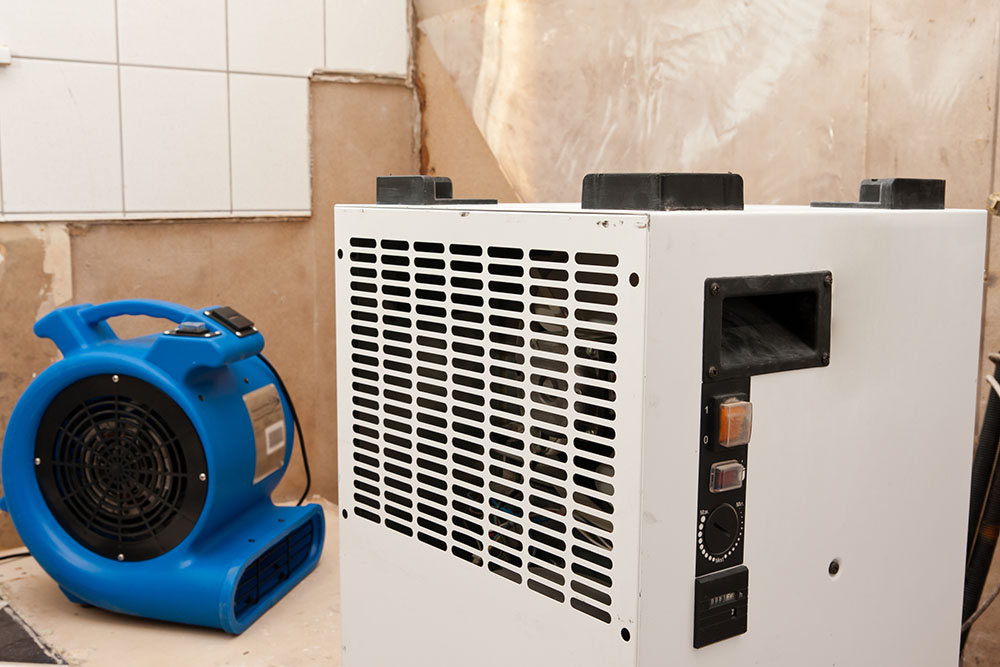
- Drying and dehumidification
- Cleaning and sanitizing
- Repairs and structural restoration
These steps help ensure that damage does not continue after the visible water is gone.
Why Flood Damage Is Different in North Miami
North Miami’s coastal climate plays a major role in how flooding affects buildings. High humidity slows evaporation, allowing moisture to remain trapped in materials long after flooding occurs.
Common environmental factors include:
- High humidity year-round
- Heavy seasonal rains
- Storm-related flooding
- AC condensation issues
- Slow drying of drywall and wood
Nearby areas such as Miami Shores, Biscayne Park, and North Miami Beach experience similar conditions, especially in neighborhoods near Biscayne Bay.
Hidden Moisture Inside Walls and Floors
One of the most common problems after flooding is moisture trapped in structural materials. Walls, subfloors, and insulation can retain water even when surfaces feel dry.
Hidden moisture often remains in:
- Drywall and wall cavities
- Carpet padding and subflooring
- Wooden framing
- Insulation
- Baseboards and trim
If not fully dried, these areas can deteriorate or develop mold over time.
Odors That Develop Weeks Later
Another issue that often appears after flood restoration is persistent odor. Even after cleaning, musty smells may develop weeks later if moisture remains trapped.
Odors can result from:
- Bacteria in damp materials
- Organic debris carried by floodwater
- Mold growth beginning in concealed areas
Thorough drying and cleaning help prevent these lingering problems.
Mold Growth After Flooding
Mold is one of the most serious delayed effects of flooding. Mold spores are always present in the air, but they begin growing when moisture remains trapped in porous materials.
Mold is most likely to develop in:
- Drywall and ceiling panels
- Carpet padding
- Insulation
- Wooden framing
In humid environments like North Miami, mold can develop quickly if drying is incomplete.
Structural Changes That May Appear Later
Flooding can weaken building materials over time. Even if surfaces appear intact initially, prolonged exposure to moisture can cause gradual deterioration.
Delayed structural issues may include:
- Warped flooring
- Soft or weakened drywall
- Loose tiles or flooring materials
- Cracking or peeling paint
These problems often appear weeks or months after the original flooding event.
Electrical and HVAC Concerns
Floodwater can also affect electrical systems and HVAC equipment. Moisture trapped in these systems may not cause immediate failure but can lead to problems later.
Common concerns include:
- Corrosion in electrical components
- Moisture in air ducts
- Odors circulating through ventilation systems
- Reduced efficiency of air conditioning units
Inspection of these systems is often necessary after flooding.
Why DIY Drying Often Misses Hidden Problems
Many property owners attempt to dry flooded areas using fans or household equipment. While this may help with surface drying, deeper moisture often remains.
DIY drying may fall short because:
- Moisture behind walls cannot be removed
- Subflooring remains damp
- Humidity slows evaporation
- Hidden areas are not tested for moisture
Professional drying equipment and moisture detection tools help ensure complete restoration.
The Flood Restoration Process Explained
Professional flood restoration follows a structured process designed to address both visible and hidden damage.
1. Inspection and Moisture Detection
Technicians locate affected areas and measure moisture levels.
2. Water Extraction
Standing water is removed using specialized equipment.
3. Drying and Dehumidification
Air movers and dehumidifiers remove moisture from structural materials.
4. Cleaning and Sanitizing
Surfaces are cleaned to remove contaminants and reduce odors.
5. Repairs and Restoration
Damaged materials are repaired or replaced once drying is complete.
Tip Top Water and Fire Damage Restoration regularly performs flood restoration in North Miami and surrounding communities, where humidity requires careful drying and monitoring.
Preventing Problems After Flood Restoration
Once restoration is complete, preventive maintenance helps reduce the likelihood of future issues.
Helpful steps include:
- Monitoring indoor humidity levels
- Inspecting walls and ceilings periodically
- Maintaining air conditioning systems
- Addressing odors or stains promptly
- Scheduling follow-up moisture inspections
These measures help ensure that hidden problems do not develop.
Why Local Experience Matters
Flood restoration in coastal South Florida requires an understanding of local climate conditions and building materials. Homes in North Miami often retain moisture longer than inland properties, which increases the risk of delayed damage.
Professionals familiar with North Miami, Miami Shores, Surfside, and Biscayne Park understand:
- How coastal humidity affects drying
- Where hidden moisture is most likely to remain
- How to prevent mold after flooding
- How long drying realistically takes
Tip Top Water and Fire Damage Restoration has worked extensively in these neighborhoods, where environmental conditions often influence restoration strategies.
A Calm, Practical Next Step
Flooding can feel overwhelming, but thorough restoration and ongoing monitoring help prevent hidden problems from appearing later. Removing moisture completely and inspecting affected areas ensures that small issues do not develop into costly repairs.
For homeowners in North Miami, understanding the delayed effects of flooding is an important step toward protecting both property value and long-term structural integrity.