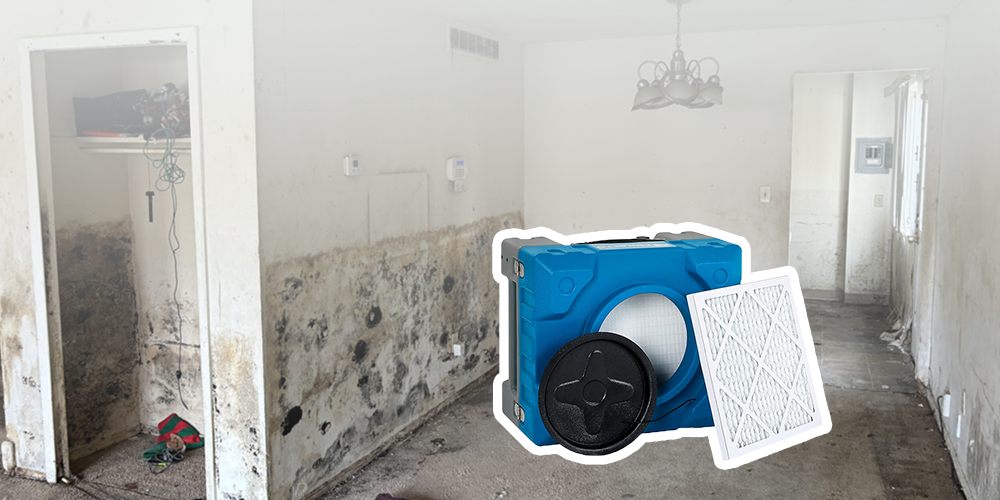
Hidden Problems That Appear Later: Mold Removal Challenges in Coastal Neighborhoods Near Biscayne Bay
Living near Biscayne Bay offers beautiful waterfront views, steady ocean breezes, and the relaxed feel that draws so many homeowners to North Miami, North Miami Beach, Surfside, Bal Harbour, Sunny Isles Beach, and nearby coastal communities.
But along with that lifestyle comes something less visible and far more persistent.
Moisture.
In these bayfront and coastal neighborhoods, moisture isn’t just seasonal — it’s constant. It lingers in the air, seeps into materials, and settles into walls, flooring, ductwork, and crawl spaces. And when mold develops, it often does so quietly, out of sight.
Many property owners think mold is something you see right away — black spots on drywall or stains on ceilings. In reality, the most serious mold problems in South Florida are the ones that show up weeks or months later.
By then, the damage is deeper, removal is more complicated, and repairs cost more.
Understanding these hidden mold challenges is essential if you own or manage property anywhere near Biscayne Bay.
What Mold Really Is and Why It Spreads So Easily
Mold is a natural fungus that reproduces through microscopic spores.
Those spores are always present indoors and outdoors. They only need three things to grow:
- Moisture
- Organic material (drywall, wood, carpet, dust)
- Warm temperatures
North Miami provides all three year-round.
Unlike colder climates where mold growth slows during winter, South Florida homes stay warm and humid 12 months a year. That means once moisture appears, mold can begin growing within 24 to 48 hours.
What makes mold especially tricky is that it often grows inside materials first — behind walls, under floors, or above ceilings — long before you ever see it.
Why Mold Problems Are So Common Near Biscayne Bay
Coastal homes face unique environmental pressures that inland properties don’t.
Moisture doesn’t just come from leaks or floods. It’s in the air itself.
Several local factors contribute:
- Constant high humidity
- Salt-heavy coastal air
- Afternoon thunderstorms
- King tides and street flooding
- Wind-driven rain
- Older concrete block construction
- Slab foundations that trap moisture
- AC systems running nonstop
In areas like Biscayne Park and Miami Shores, older homes often lack modern vapor barriers. In Sunny Isles and Bal Harbour condos, HVAC closets and duct systems frequently create hidden condensation.
Even without a major water event, these small, repeated moisture exposures allow mold to develop slowly over time.
That’s why so many mold problems here seem to “appear later” without an obvious cause.
Common Signs Homeowners Notice Too Late
Hidden mold rarely announces itself clearly.
Instead, homeowners notice subtle changes first.
These include:
- Musty or damp smells
- Allergy-like symptoms indoors
- Peeling paint or bubbling drywall
- Warped baseboards
- Persistent humidity
- Stains that return after cleaning
- AC running longer than usual
- Dark spots inside closets or behind furniture
Often, by the time these signs appear, mold has already been growing behind surfaces for weeks.
We regularly inspect homes in North Miami Beach where the only complaint is “a smell,” yet moisture meters reveal large damp areas inside walls.
Hidden or Overlooked Sources of Moisture
One of the biggest mold removal challenges is that the source isn’t always obvious.
Major floods are easy to identify.
Slow, hidden moisture is not.
Common overlooked sources include:
AC Condensation
Clogged drain lines or sweating air handlers leak slowly into walls and floors.
Ductwork Moisture
Cold ducts in hot attics or closets create constant condensation.
Window and Door Leaks
Wind-driven rain sneaks in during storms.
Roof Flashing Failures
Water travels down interior cavities before showing up.
Plumbing Pinholes
Tiny leaks inside walls stay hidden for months.
Slab Moisture
Groundwater vapor migrates upward through concrete.
In waterfront homes, even salty air contributes by increasing indoor humidity and slowing evaporation.
All of these conditions allow mold to grow quietly out of sight.
Why DIY Mold Removal Usually Fails
When homeowners finally spot mold, the first instinct is often to clean it themselves.
Bleach. Spray bottles. Scrubbing.
Unfortunately, this rarely solves the problem.
Here’s why:
- Surface cleaning doesn’t reach inside materials
- Bleach doesn’t penetrate porous drywall or wood
- Moisture sources remain untreated
- Spores spread during scrubbing
- Hidden colonies keep growing
You might remove what you see on the surface, but the colony behind the wall continues expanding.
Within days or weeks, the stains return.
This cycle is extremely common in humid North Miami homes.
True mold removal requires both eliminating growth and correcting moisture conditions.
Professional Mold Inspection & Testing Explained
Effective remediation starts with understanding the full scope.
Professional inspections involve more than visual checks.
Technicians use:
- Moisture meters
- Thermal imaging cameras
- Hygrometers
- Wall cavity checks
- Air quality testing when necessary
These tools reveal hidden damp areas that aren’t visible to the eye.
In many cases, the visible mold represents only 10–20% of the total problem.
For example, a small stain near a baseboard may connect to several feet of moisture inside the wall.
Without proper detection equipment, those hidden sections remain untreated.
The Proper Mold Removal & Remediation Process
Professional remediation is systematic and controlled.
The goal is not just cleaning — it’s containment, removal, and prevention.
A typical process includes:
Containment
Plastic barriers isolate affected areas to prevent cross-contamination.
Air Filtration
HEPA air scrubbers capture airborne spores.
Removal of Contaminated Materials
Drywall, insulation, or carpet may be removed if necessary.
Antimicrobial Treatment
Surfaces are treated to inhibit regrowth.
Deep Cleaning
HEPA vacuuming and detailed wiping of all surfaces.
Structural Drying
Dehumidifiers and air movers reduce moisture levels.
Verification
Final moisture checks confirm the environment is safe and dry.
Skipping any step often leads to recurring issues.
This thorough approach is especially important in coastal properties where humidity remains high year-round.
Companies like Tip Top Water and Fire Damage Restoration follow these procedures because partial fixes simply don’t last in South Florida’s climate.
Flood Restoration & Water Damage Complications
After storms or king tides, mold challenges become even greater.
Floodwater from Biscayne Bay or street runoff is typically contaminated.
When that water enters a home:
- Drywall wicks moisture upward
- Insulation traps water
- Flooring swells
- Mold growth accelerates
Even after visible drying, moisture remains inside structural materials.
If these areas aren’t professionally dried and treated, mold often appears weeks later — surprising homeowners who thought the problem was resolved.
Proper flood restoration prevents this delayed growth.
Air Ducts, AC Systems & Hidden Mold
HVAC systems are one of the most overlooked mold reservoirs.
Moisture accumulates inside:
- Air handlers
- Drain pans
- Evaporator coils
- Duct interiors
Once mold forms here, spores circulate throughout the home.
You might clean walls repeatedly while the source continues spreading spores through the vents.
In many North Miami condos, duct cleaning and AC repairs are necessary parts of mold remediation.
Without addressing the HVAC system, problems keep returning.
How to Prevent Mold in Coastal Homes
Prevention focuses on moisture control.
Simple steps go a long way:
- Service AC systems regularly
- Keep drain lines clear
- Use dehumidifiers during rainy months
- Fix leaks immediately
- Improve ventilation in closets and bathrooms
- Inspect attics after storms
- Avoid trapping furniture against exterior walls
- Monitor indoor humidity (aim for under 60%)
In this climate, even small moisture issues can escalate quickly.
Early action saves thousands in repairs.
Why Local Experience Matters
Mold behavior in coastal South Florida is very different from dry inland regions.
Humidity slows drying.
Salt air increases corrosion and moisture retention.
Storms create repeated exposure.
A contractor unfamiliar with these conditions may underestimate the problem.
Local professionals understand:
- Typical condo layouts
- Slab foundation challenges
- Coastal ventilation issues
- Seasonal flooding patterns
Tip Top Water and Fire Damage Restoration has worked throughout North Miami, Aventura, Surfside, and nearby waterfront communities, and understands how mold behaves in these environments.
That local knowledge helps identify hidden problems faster and prevents recurring issues.
A Calm, Practical Next Step
If you notice a musty odor, unexplained staining, or past water exposure, don’t ignore it.
Mold rarely disappears on its own.
A simple inspection can reveal whether moisture is present and help you address small problems before they become major repairs.
In coastal neighborhoods near Biscayne Bay, staying proactive is the best protection for your home, your indoor environment, and your long-term property value.