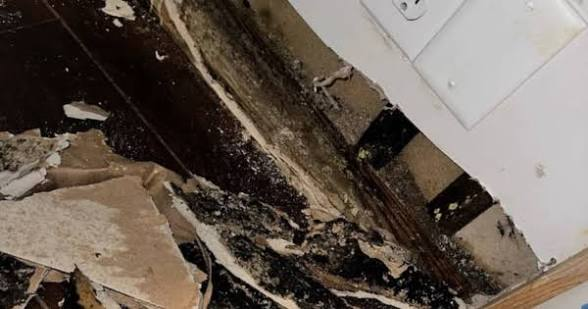
Hidden Problems That Appear Later: Mold Removal Challenges in Surfside
Mold is a pervasive issue in coastal areas like Surfside, and it poses unique challenges for homeowners and property managers. While visible mold growth often triggers immediate action, many problems remain hidden and surface only after initial remediation attempts. These hidden issues complicate mold removal, extend restoration timelines, and can have long-term consequences for health and property integrity. Understanding these challenges is critical for effective remediation and long-term protection in Surfside’s humid, coastal environment.
Mold thrives in areas with high moisture and humidity, which are common in coastal homes. Even after visible mold is removed, spores may linger in wall cavities, HVAC systems, or under flooring, causing recurring problems. Homeowners who underestimate hidden mold risks may face repeated remediation, costly repairs, and health concerns for residents.
Why Mold Removal Is Particularly Challenging in Surfside
1. Coastal Climate Factors
Surfside’s subtropical coastal climate contributes significantly to mold challenges:
- High Humidity: Consistently elevated indoor humidity levels promote mold spore germination even after cleaning.
- Stormwater Intrusion: Heavy rains and hurricanes can introduce moisture through roofs, windows, and foundations.
- Salt-Laden Air: Salt accelerates material deterioration and can harbor mold spores, complicating remediation.
2. Older or Waterfront Properties
Many Surfside homes, particularly older waterfront properties, are more susceptible:
- Porous building materials such as wood, insulation, and drywall absorb water and mold spores.
- Aging roofs and plumbing increase the likelihood of leaks and hidden moisture.
- HVAC systems in older homes may contain hidden mold in ducts and filters.
3. Hidden Mold Growth
Mold often grows in areas that are not immediately visible:
- Wall cavities and baseboards
- Under carpets and flooring
- Attics, crawlspaces, and ceiling voids
- Behind cabinets, appliances, and furniture
Even small, unnoticed leaks can seed mold colonies that expand over time.
Common Challenges in Mold Removal
1. Incomplete Detection
Homeowners often address visible mold but miss hidden colonies. Without proper inspection, spores continue to proliferate, causing recurrence.
2. Structural Complications
Mold removal often reveals damage to walls, ceilings, subflooring, and wooden supports. Removing mold safely may require partial demolition or structural repairs.
3. Cross-Contamination
Improper containment during remediation can spread spores to unaffected areas, worsening the problem.
4. HVAC System Contamination
Mold in ventilation ducts can distribute spores throughout the home, creating new outbreaks even after surface remediation.
5. Health Risks
Hidden mold can lead to long-term health issues:
- Respiratory problems
- Allergies and asthma flare-ups
- Headaches and fatigue
- Sinus infections
These risks highlight the need for professional testing and thorough remediation.
Step-by-Step Mold Removal Process in Coastal Homes
1. Professional Inspection
Inspectors use advanced tools to locate hidden moisture and mold:
- Moisture meters detect dampness in walls, floors, and ceilings
- Thermal imaging cameras reveal water accumulation behind surfaces
- Air sampling identifies spore concentration in various rooms
- Surface sampling determines mold type and severity
2. Containment
- Areas with active mold growth are isolated to prevent cross-contamination.
- Negative air pressure and plastic sheeting are used in walls or rooms with heavy infestation.
3. Mold Removal
- Porous materials such as drywall, insulation, and carpets may need removal and replacement.
- Non-porous surfaces are cleaned with antimicrobial solutions.
- HVAC ducts are sanitized using specialized equipment.
4. Drying and Moisture Control
- Industrial dehumidifiers and air movers ensure thorough drying of affected areas.
- Continuous moisture monitoring prevents hidden mold from returning.
5. Odor Neutralization
- Thermal fogging and ozone treatments remove residual musty odors.
- Professional cleaning prevents lingering spores from affecting air quality.
6. Final Verification
- Post-remediation testing ensures that spore counts are within safe levels.
- Homeowners receive a detailed report confirming successful removal and recommendations for preventing recurrence.
Preventive Measures for Coastal Homes
- Routine Inspections: Check for leaks, condensation, or water stains regularly.
- Humidity Control: Maintain indoor humidity below 55% using dehumidifiers and proper ventilation.
- HVAC Maintenance: Regularly clean ducts, replace filters, and inspect for hidden mold.
- Prompt Leak Repair: Immediate attention to plumbing, roofing, and window leaks prevents mold growth.
- Water-Resistant Materials: Consider mold-resistant drywall, insulation, and flooring in renovations.
- Annual Mold Testing: Especially in waterfront properties, regular testing identifies hidden mold before it becomes severe.
Lessons Learned from Real Surfside Homes
- Hidden Mold Is More Common Than Visible Mold: Many recurring cases stemmed from wall cavities, HVAC ducts, or under flooring.
- Early Detection Reduces Costs: Homes inspected immediately after water intrusion had fewer structural repairs.
- Comprehensive Remediation Is Key: Addressing only visible mold without moisture control leads to repeat infestations.
- Professional Expertise Matters: DIY solutions often fail to address hidden problems, resulting in health risks and higher long-term costs.
Health Implications of Ignoring Hidden Mold
- Chronic exposure to mold spores can trigger asthma attacks, sinus infections, and other respiratory conditions.
- Persistent allergens can affect children, the elderly, and immunocompromised individuals.
- Long-term dampness can compromise indoor air quality and create an unhealthy living environment.
Conclusion
Mold removal in Surfside homes is particularly challenging due to the hidden nature of mold growth, high humidity, and coastal environmental conditions. Many homeowners only address visible mold, leaving underlying problems that resurface later.
Professional mold inspection and remediation, combined with preventive strategies such as humidity control, prompt leak repair, and HVAC maintenance, are critical for protecting health and property value. By understanding the hidden risks and addressing mold comprehensively, Surfside homeowners can ensure a safe, comfortable, and long-lasting living environment.
Ignoring hidden mold may save time in the short term but leads to recurring damage, health issues, and higher costs in the long term. Early intervention, thorough inspection, and professional removal are the keys to successfully managing mold in coastal homes.