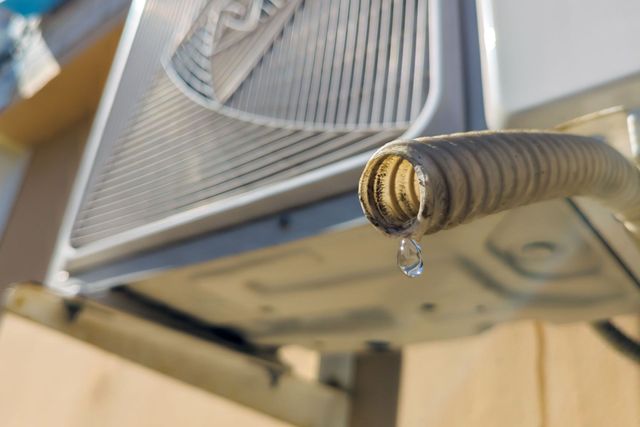
How Coastal Weather Influences AC Moisture Repair in Surfside
Surfside’s coastal setting offers beautiful ocean views and steady sea breezes, but it also creates unique challenges for homeowners and property managers. One of the most common issues in this area involves air conditioning systems and moisture. Because AC units operate almost constantly in South Florida, and because coastal air carries high humidity, moisture-related problems are far more likely to develop than many people expect.
Understanding how coastal weather affects AC systems—and why moisture repair becomes necessary—can help property owners in Surfside, Bal Harbour, North Miami Beach, and nearby communities prevent long-term structural damage and mold growth.
What AC Moisture Problems Look Like in Real Homes
Air conditioning systems remove humidity from indoor air as part of the cooling process. This moisture normally drains through a condensate line, but when something interferes with drainage or airflow, water can accumulate inside or around the system.
In Surfside homes and condos, AC moisture problems often appear as:
- Water stains near vents or ceilings
- Damp drywall or baseboards
- Musty odors when the AC runs
- Condensation forming on ductwork
- Small puddles near indoor air handlers
Because humidity near the ocean remains high year-round, even small drainage issues can escalate quickly.
Why Coastal Weather Makes Moisture Problems More Likely
Coastal weather plays a major role in AC-related moisture issues.
Several environmental factors contribute:
High humidity levels mean AC systems must remove large amounts of moisture daily.
Salt air exposure can corrode metal components, including drain pans and fittings.
Warm temperatures increase condensation inside ducts and air handlers.
Frequent storms can increase indoor humidity and strain cooling systems.
Ocean breezes carry moisture that can infiltrate buildings over time.
These conditions are common not only in Surfside but also in nearby areas such as Sunny Isles Beach, Aventura, and Miami Shores.
Early Signs Homeowners Often Miss
AC moisture problems usually begin gradually. Many homeowners overlook small warning signs until visible damage appears.
Early clues include:
- A faint musty smell near vents
- Slight discoloration on ceilings near air handlers
- Rooms feeling more humid than usual
- Dripping or trickling sounds in walls or ceilings
- Condensation around supply vents
Recognizing these signs early often prevents larger repairs later.
Hidden Sources of Moisture in AC Systems
Moisture problems are often difficult to locate because the source may not be visible.
Common hidden causes include:
Clogged condensate drain lines
Algae, dust, and debris can block drainage, causing overflow.
Damaged or rusted drain pans
Salt air and constant moisture accelerate corrosion.
Poor duct insulation
Warm air contacting cold ducts leads to condensation.
Air handler leaks
Loose fittings or worn seals can allow water to escape slowly.
Improper airflow
Restricted airflow increases humidity and condensation inside the system.
Professional inspections often reveal moisture in areas homeowners rarely check.
Why DIY Fixes Often Don’t Work
Some property owners try to address AC moisture by cleaning visible areas or placing containers under leaks. While this may temporarily control water, it usually doesn’t solve the root problem.
DIY approaches often fail because:
- Drain lines remain partially clogged
- Moisture inside walls or ceilings remains undetected
- Humidity levels remain high
- Mold begins forming in hidden areas
Because AC systems involve electrical components and complex airflow systems, proper repairs often require specialized equipment and experience.
Professional AC Moisture Inspection Explained
A professional inspection focuses on identifying both the source of moisture and the extent of any damage.
In Surfside properties, inspections typically include:
- Checking condensate lines and drain pans
- Measuring moisture in drywall and ceilings
- Inspecting ductwork for condensation
- Evaluating airflow and humidity levels
- Examining nearby structural materials
Technicians may use moisture meters or thermal imaging to locate hidden damp areas.
Companies experienced in coastal environments, such as Tip Top Water and Fire Damage Restoration, often find that early detection significantly reduces repair costs and prevents mold growth.
The AC Moisture Repair Process
Once the source of moisture is identified, repairs focus on restoring proper drainage and drying affected materials.
Typical steps include:
Clearing or repairing condensate drain lines
Restoring proper drainage prevents overflow.
Repairing or replacing damaged components
Drain pans, fittings, or insulation may need replacement.
Drying affected materials
Air movers and dehumidifiers remove trapped moisture.
Cleaning and treating surfaces when needed
This helps prevent mold growth.
Monitoring humidity levels
Ensuring indoor conditions remain stable prevents recurrence.
Thorough drying is essential in coastal climates where moisture evaporates slowly.
Mold Risks Associated with AC Moisture
If AC moisture problems are ignored, mold growth may develop in as little as 24 to 48 hours in warm, humid environments.
Mold often develops:
- Inside wall cavities near air handlers
- Along baseboards and drywall
- Inside ducts and vents
- Beneath flooring near damp areas
Addressing moisture quickly is the most effective way to avoid mold remediation later.
Air Ducts and Ventilation Considerations
Air ducts play a major role in how moisture behaves indoors. Poor insulation or airflow can increase condensation and humidity levels.
Common duct-related concerns include:
- Condensation forming inside poorly insulated ducts
- Dust buildup restricting airflow
- Cold air contacting warm attic air
- Humidity circulating through the system
Routine duct inspections and cleaning help maintain efficient airflow and reduce moisture problems.
How to Prevent AC Moisture Problems in Coastal Homes
Preventive maintenance is one of the most effective ways to reduce the likelihood of moisture issues.
Helpful steps include:
- Cleaning condensate drain lines regularly
- Scheduling routine AC inspections
- Checking ceilings and vents for condensation
- Keeping indoor humidity below 60%
- Ensuring ducts are properly insulated
- Addressing small leaks immediately
Homeowners in North Miami Beach, Biscayne Park, and surrounding areas often find that annual maintenance significantly reduces the risk of major repairs.
Why Local Experience Matters
AC moisture repair in coastal environments requires understanding how humidity, salt air, and building design interact.
Professionals familiar with Surfside properties understand:
- How ocean humidity affects condensation levels
- How coastal airflow influences drying times
- How attic temperatures contribute to duct moisture
- How high moisture levels impact indoor air quality
This local knowledge helps ensure repairs are thorough and long-lasting. Many homeowners rely on experienced local providers such as Tip Top Water and Fire Damage Restoration when dealing with moisture issues.
A Practical, Calm Next Step
AC moisture problems are common in coastal communities, but they are manageable when addressed early. Recognizing warning signs, scheduling inspections, and maintaining drainage systems can prevent long-term structural damage and mold growth.
For homeowners and property managers in Surfside, staying proactive about AC maintenance is one of the most effective ways to protect both property and indoor comfort. A careful inspection and timely repair can turn a small moisture issue into a simple fix rather than a major restoration project.