How Coastal Weather Influences Air Duct Cleaning in Bal Harbour
Bal Harbour, along with neighboring communities such as Surfside, Sunny Isles Beach, Miami Shores, North Miami, North Miami Beach, Aventura, and Biscayne Park, is a sought-after coastal location known for luxury homes, high-rise condos, and waterfront living. While the tropical climate and oceanfront environment offer beauty and comfort, they also present unique challenges for home maintenance—particularly when it comes to indoor air quality and air duct cleanliness.
Air ducts are the hidden arteries of any HVAC system, circulating cooled or heated air throughout the home. In coastal areas like Bal Harbour, the combination of high humidity, salt-laden air, and frequent storms significantly increases the potential for dust accumulation, mold growth, and microbial contamination in ductwork. Understanding how coastal weather influences air duct cleaning is essential for homeowners, property managers, and landlords who want to maintain a safe, healthy, and efficient living environment.
The Role of Air Ducts in Coastal Homes
Air ducts are responsible for delivering conditioned air to every room in a home. They also play a critical role in maintaining indoor air quality. In coastal homes, where humidity and salt exposure are higher, duct systems face unique stressors:
- Moisture accumulation: Humid air can condense inside ducts, especially during AC operation.
- Microbial growth: Mold and bacteria thrive in damp environments.
- Dust and debris buildup: Coastal breezes bring fine salt particles and dust into homes.
- HVAC strain: Clogged or contaminated ducts reduce system efficiency and increase energy costs.
Regular air duct cleaning is not just about cleanliness—it is a preventative measure that protects health, property, and HVAC performance.
How Coastal Weather Impacts Air Duct Conditions
Bal Harbour’s coastal climate influences duct systems in several ways:
1. High Humidity
Humidity levels in coastal Florida often exceed 70%, even indoors, particularly in summer. When warm, humid air enters the AC system, condensation can form on ducts, drip pans, and insulation, creating ideal conditions for microbial growth.
2. Salt-Laden Air
The proximity to the ocean exposes homes to salt particles carried by coastal breezes. These particles can accumulate inside ducts, corrode metal components, and reduce airflow efficiency. Over time, salt exposure contributes to premature deterioration of HVAC components.
3. Seasonal Storms
Tropical storms and heavy rains can increase water intrusion into homes. Even minor roof leaks or window leaks may allow moisture to enter ductwork or settle in ventilation openings, fostering mold growth and dust accumulation.
4. Temperature Fluctuations
Rapid temperature changes between indoor and outdoor air in coastal areas can cause condensation in poorly insulated ducts, especially when cold AC air meets warm, humid indoor surfaces.
Common Signs That Air Duct Cleaning Is Needed
Homeowners in Bal Harbour should monitor for early indicators that ducts require professional cleaning:
- Musty odors: Persistent or unusual smells suggest microbial growth in ductwork.
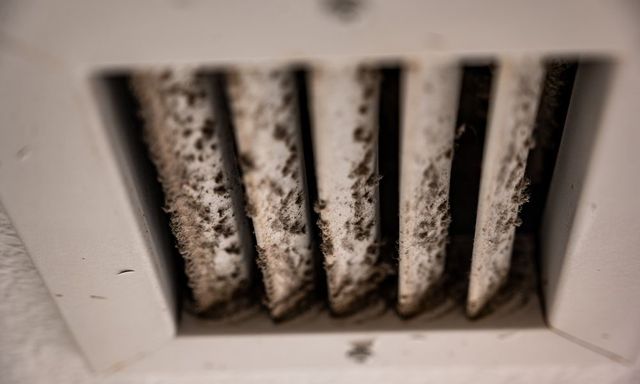
- Visible dust or debris: Dust accumulation around vents or on registers may indicate contaminated ducts.
- Allergic reactions: Increased sneezing, congestion, or irritation indoors can result from dust, mold, or pollen circulating through ducts.
- Uneven cooling or heating: Blockages or buildup reduce airflow and system efficiency.
- Excess condensation: Water pooling near vents or registers is a sign of duct moisture problems.
Addressing these signs promptly prevents long-term damage to HVAC systems and helps maintain healthy indoor air quality.
Hidden Challenges in Coastal Duct Systems
Several factors make duct cleaning in Bal Harbour more complex than in inland areas:
- Concealed contamination: Mold and debris often accumulate in inaccessible duct sections.
- Insulation deterioration: Moisture can compromise duct insulation, reducing efficiency and fostering microbial growth.
- Shared systems in condos: In multi-unit buildings, contaminated ducts may spread particulates or spores between units.
- Duct material sensitivity: Metal and flexible ducts react differently to moisture and salt exposure, requiring specialized cleaning techniques.
Professional inspection and cleaning ensure all hidden areas are treated, preventing recurring issues.
Why DIY Duct Cleaning Often Falls Short
Homeowners may attempt DIY duct cleaning using vacuum attachments or compressed air, but these approaches typically fail for coastal homes:
- Limited reach: Tools may not access deep or complex duct sections.
- Incomplete debris removal: Dust, salt particles, and microbial growth often remain.
- Hidden moisture ignored: Condensation within ducts continues to foster mold.
- Potential system damage: Improper handling can harm duct surfaces or HVAC components.
Professional duct cleaning ensures a comprehensive approach, addressing both visible and hidden contamination while preserving system integrity.
Professional Air Duct Cleaning Process
In Bal Harbour homes, professional air duct cleaning generally includes:
- Inspection: Identify visible and hidden debris, moisture, and microbial growth.
- Sealing and containment: Prevent dust and spores from spreading into the home during cleaning.
- Debris removal: Use high-powered vacuums and brushes to extract dust, dirt, and salt deposits.
- Cleaning and treatment: Apply antimicrobial solutions to prevent mold or bacteria proliferation.
- HVAC component cleaning: Inspect and clean coils, drip pans, and filters to ensure optimal system performance.
- Final inspection: Verify that all ducts are free from debris, moisture, and contaminants.
This thorough process improves indoor air quality, prevents future microbial growth, and extends the life of the HVAC system.
Long-Term Preventive Strategies
After professional duct cleaning, homeowners can implement measures to reduce future issues:
- Regular maintenance: Schedule routine inspections of AC units, drip pans, and ducts.
- Humidity control: Maintain indoor humidity between 30–50% using dehumidifiers and proper ventilation.
- Filter replacement: Use high-quality filters and replace them frequently to reduce dust and salt accumulation.
- Duct sealing: Properly sealed ducts prevent moisture intrusion and improve HVAC efficiency.
- Prompt leak repair: Address roof, window, or AC leaks immediately.
- Periodic professional cleaning: In coastal environments, cleaning every 2–3 years is recommended, or more frequently if moisture problems arise.
These measures help maintain clean, efficient, and safe HVAC systems in the unique conditions of Bal Harbour.
Why Local Expertise Matters
Bal Harbour homes face distinctive challenges due to:
- Coastal humidity and salt air accelerating mold growth and metal corrosion.
- Tropical storms and heavy rainfall increasing moisture intrusion risk.
- Complex duct layouts in luxury residences or high-rise condos.
- Shared ventilation systems in multi-unit buildings.
Tip Top Water and Fire Damage Restoration provides air duct cleaning, moisture detection, and mold prevention services specifically tailored for Bal Harbour and nearby neighborhoods including Surfside, Sunny Isles Beach, Miami Shores, North Miami, North Miami Beach, Aventura, and Biscayne Park. Local experience ensures solutions address both visible and hidden issues while taking into account coastal environmental factors.
Calm, Trust-Based Call to Action
Air ducts in Bal Harbour homes are more than conduits for air—they are critical components of indoor air quality and comfort. Coastal weather, including high humidity, salt-laden breezes, and seasonal storms, can compromise duct cleanliness and promote mold, dust, and microbial accumulation. Professional inspection and cleaning, combined with preventive strategies such as regular maintenance, humidity control, and duct sealing, safeguard homes and protect residents’ health. Partnering with local experts ensures that air duct systems are cleaned thoroughly and maintained for long-term performance, tailored specifically to the unique conditions of Bal Harbour’s coastal environment.