How Coastal Weather Influences Black Mold Removal in Biscayne Park
Living in Biscayne Park means enjoying tree-lined streets, proximity to Biscayne Bay, and a quieter residential atmosphere compared to surrounding coastal cities. However, Biscayne Park’s location also places it directly within South Florida’s coastal weather zone—an environment where humidity, rain, heat, and salt air significantly influence how black mold forms, spreads, and must be removed.
Black mold removal in Biscayne Park is rarely straightforward. Coastal weather doesn’t just cause mold—it actively complicates the removal process itself. Understanding these environmental influences explains why professional remediation is often more extensive here than homeowners expect.
Why Coastal Weather Shapes Mold Behavior in Biscayne Park
Coastal weather near Biscayne Bay creates a constant moisture cycle that affects homes year-round. Unlike inland areas where materials dry between weather events, Biscayne Park properties often remain in a state of near-continuous moisture exposure.
Key Coastal Influences
- High ambient humidity for long periods
- Heavy seasonal rainfall
- Salt-laden air that retains moisture
- Warm temperatures that accelerate biological growth
- Limited natural drying cycles
These factors mean that once black mold develops, removing it requires more than surface cleaning—it demands moisture correction and controlled drying.
Understanding Black Mold in a Coastal Climate
Black mold thrives when moisture is persistent rather than occasional. In Biscayne Park, this persistence is driven by weather patterns rather than isolated plumbing failures.
Why Black Mold Is Common in Biscayne Park Homes
- Humidity frequently stays above 60%
- Older homes lack modern vapor barriers
- Slab foundations trap ground moisture
- Dense tree cover reduces airflow around structures
When coastal humidity remains elevated for weeks, mold spores that are already present in the air activate and colonize organic materials inside the home.
How High Humidity Complicates Black Mold Removal
Moisture Does Not Leave on Its Own
In dry climates, mold removal can be followed by natural drying. In Biscayne Park, coastal humidity prevents this.
During remediation:
- Walls may remain damp even after cleaning
- Flooring materials reabsorb moisture
- Insulation retains humidity
- Air inside wall cavities stays saturated
This means mold removal must include aggressive dehumidification and monitoring, not just material cleaning.
Repeated Condensation Cycles
Coastal homes experience daily condensation as warm, humid air meets cooler interior surfaces:
- Exterior-facing walls
- Window frames
- Ceiling cavities
- Air ducts
If these surfaces are not fully dried after mold removal, regrowth is likely.
Salt Air’s Role in Mold Removal Challenges
Salt air is a hidden but powerful factor in Biscayne Park mold cases.
Why Salt Makes Mold Removal Harder
- Salt particles attract and hold moisture
- Corroded materials become more porous
- Moisture clings to surfaces longer
- Drying time increases significantly
During black mold remediation, salt-contaminated surfaces often require:
- Extended drying periods
- Deeper material removal
- Additional surface treatments
This is why coastal mold removal typically takes longer than inland projects.
Rainfall and Storm Patterns Affect Remediation Timing
Biscayne Park experiences heavy rain events, especially during hurricane season.
Why Weather Timing Matters
If mold removal is attempted during:
- Ongoing rain
- Saturated ground conditions
- Elevated outdoor humidity
Drying equipment must work against environmental conditions. Professionals often need to:
- Seal affected areas more thoroughly
- Increase dehumidifier capacity
- Extend containment periods
Weather-aware remediation planning is essential in coastal neighborhoods.
HVAC Systems and Coastal Mold Removal
Air conditioning systems play a critical role during black mold removal in Biscayne Park.
How HVAC Systems Complicate Mold Removal
- AC systems may spread spores if not isolated
- Condensate lines may reintroduce moisture
- Duct insulation often holds hidden dampness
During remediation:
- HVAC systems may need temporary shutdown
- Ducts often require inspection and cleaning
- Air handlers may need moisture treatment
Failure to address HVAC moisture is one of the most common reasons mold returns after removal.
Hidden Areas Where Coastal Mold Persists
In Biscayne Park homes, black mold often survives removal efforts if hidden moisture remains.
Common Problem Areas
- Behind baseboards on exterior walls
- Inside closets with limited airflow
- Under wood or laminate flooring
- Around window frames and sliders
- Inside attic insulation
- Near AC closets and return vents
Professional mold removal in coastal homes must include moisture detection, not just visible mold treatment.
Why DIY Mold Removal Fails in Coastal Conditions
Many homeowners attempt surface cleaning with bleach or household products. In coastal environments, this almost always fails.
DIY Limitations
- Surface cleaning does not remove embedded mold
- Moisture source remains unresolved
- Spores spread during improper handling
- High humidity triggers rapid regrowth
In Biscayne Park’s climate, mold removal without moisture correction often leads to larger infestations within weeks.
Professional Black Mold Removal Adapted for Coastal Weather
Step-by-Step Coastal-Specific Approach
1. Moisture Mapping
Thermal imaging and moisture meters identify hidden dampness influenced by coastal humidity.
2. Containment
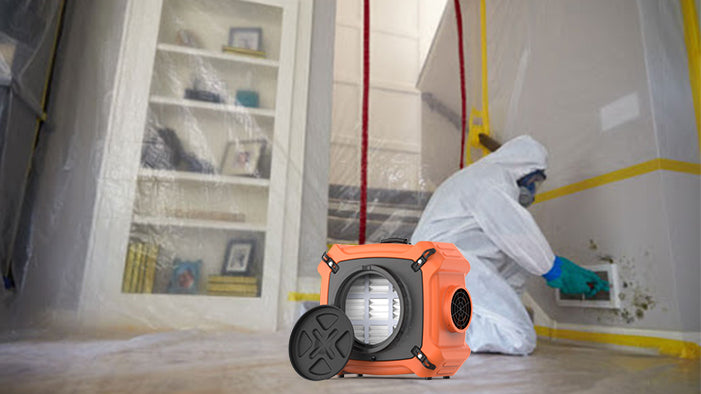
Negative air pressure prevents spores from spreading through humid indoor air.
3. Material Removal
Salt-damaged or saturated drywall and insulation are removed when drying alone is insufficient.
4. HEPA Air Filtration
Air scrubbers capture spores that remain airborne longer in humid environments.
5. Aggressive Dehumidification
Industrial dehumidifiers operate continuously to overcome outdoor humidity.
6. Structural Drying
Walls, floors, and framing are dried beyond surface level.
7. Prevention Planning
Ventilation, AC performance, and humidity control are adjusted to prevent recurrence.
Why Biscayne Park’s Tree Canopy Matters
Biscayne Park’s mature tree cover provides shade but also limits airflow around homes.
Impact on Mold Removal
- Exterior walls dry more slowly
- Ground moisture remains elevated
- Roofs retain dampness longer
Professionals account for this by extending drying times and monitoring moisture levels closely.
Long-Term Coastal Mold Prevention Strategies
Humidity Control
Maintain indoor humidity between 45–55% consistently.
HVAC Maintenance
Regularly service condensate lines, coils, and duct systems.
Ventilation Improvements
Closets, bathrooms, and attics need active airflow.
Post-Storm Inspections
Check for moisture intrusion after heavy rains.
Scheduled Moisture Assessments
Annual inspections catch problems before mold returns.
Why Local Coastal Experience Matters
Black mold removal in Biscayne Park is not the same as mold removal inland.
Local professionals understand:
- How salt air affects materials
- How slab foundations trap moisture
- How long drying truly takes in coastal humidity
- How seasonal weather influences remediation timing
Tip Top Water and Fire Damage Restoration has experience addressing mold problems shaped by Biscayne Park’s unique coastal conditions, allowing remediation to address both visible mold and the environmental factors behind it.
Final Thoughts for Biscayne Park Homeowners
Coastal weather does more than cause black mold in Biscayne Park—it controls how mold must be removed. High humidity, salt air, rain patterns, and limited drying cycles mean that successful remediation requires deeper inspection, stronger drying strategies, and long-term moisture management.
Black mold removal becomes necessary not because homeowners fail, but because coastal conditions never give structures a chance to fully dry. Understanding this reality helps property owners approach mold issues with the right expectations—and the right solutions.
In Biscayne Park, effective black mold removal is not just about cleaning mold. It is about working with the coastal environment to restore, dry, and protect homes for the long term.