
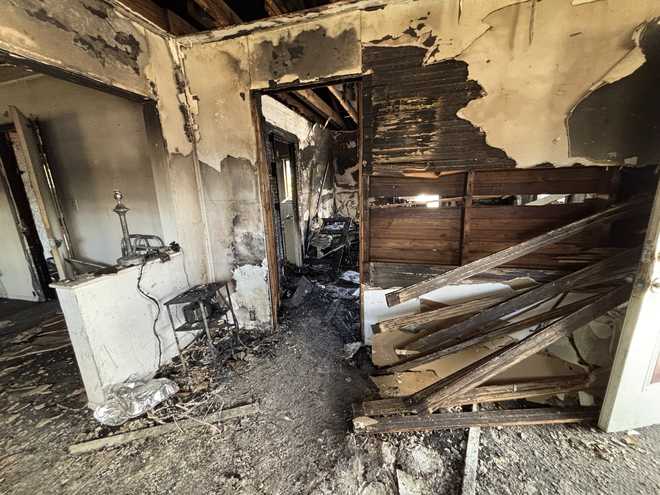
How Coastal Weather Influences Fire Damage Restoration in North Miami Beach
North Miami Beach residents typically prepare their homes for storms, flooding, and humidity, but few consider how coastal weather conditions also complicate recovery after a fire. While fires may be less common than water damage events, when they do occur, restoration becomes far more complex in coastal environments.
Fire damage restoration in North Miami Beach is not only about repairing burned materials. Coastal humidity, salt air exposure, and moisture introduced during firefighting efforts all influence how quickly and effectively a home can be restored. Understanding how local weather conditions affect restoration helps homeowners plan smarter and protect their property long-term.
Fire Damage Extends Beyond Visible Burn Areas
When a fire occurs, flames cause the most obvious destruction, but the real damage spreads much farther. Smoke and soot travel through walls, ceilings, and ventilation systems, affecting areas untouched by flames.
Additionally, firefighters use large amounts of water to extinguish fires, soaking materials throughout the home. Floors, insulation, drywall, and structural framing often absorb this moisture.
In coastal communities like North Miami Beach, these combined damages are harder to repair because environmental humidity slows drying and increases mold risks after the fire is out.
Why Coastal Climate Complicates Restoration
North Miami Beach’s coastal climate presents unique challenges during restoration. High humidity levels mean that moisture lingers longer inside damaged structures.
Coastal factors influencing restoration include:
• High year-round humidity slowing structural drying
• Salt air accelerating corrosion of metal components
• Frequent storms interrupting restoration timelines
• Damp conditions encouraging mold growth
• Older coastal properties vulnerable to moisture intrusion
Even after water from firefighting efforts is removed, trapped moisture may remain inside walls and flooring, requiring extensive drying efforts.
Immediate Damage Homeowners Notice After a Fire
The most visible fire damage appears right away. Homeowners returning after a fire typically observe:
• Burned walls, ceilings, or roofing
• Soot residue covering surfaces
• Strong smoke odors throughout the home
• Broken windows or structural openings
• Water accumulation from firefighting operations
• Electrical damage and power interruptions
However, many restoration challenges develop days or weeks later due to hidden damage.
Hidden Fire and Smoke Damage That Appears Later
Restoration professionals often discover damage that homeowners cannot see immediately. Smoke and soot penetrate deep into structures and spread through ventilation systems.
Common hidden issues include:
• Smoke contamination inside walls and insulation
• Soot residue within air ducts
• Moisture trapped beneath flooring
• Mold beginning to grow after water exposure
• Corrosion from acidic soot deposits
• Structural weakening inside framing materials
These hidden problems can worsen over time if not addressed professionally.
Water Damage Becomes a Secondary Problem
While water is necessary to extinguish fires, it introduces additional restoration challenges. Firefighting water spreads through floors and walls, sometimes affecting rooms not directly touched by flames.
In North Miami Beach, coastal humidity slows drying, increasing the likelihood of mold growth and structural deterioration.
Professional restoration typically includes:
• Immediate water extraction
• Structural drying with industrial equipment
• Moisture monitoring to ensure complete drying
• Removal of heavily damaged materials
Fast drying prevents secondary damage from complicating repairs.
Why DIY Fire Cleanup Often Fails
Homeowners sometimes attempt cleaning smoke or soot damage themselves, hoping to reduce restoration costs. Unfortunately, surface cleaning rarely removes deeper contamination.
DIY cleanup usually fails because:
• Smoke particles remain trapped in porous materials
• Odors return after incomplete cleaning
• Soot continues damaging surfaces over time
• Hidden moisture remains untreated
• HVAC systems keep spreading contaminants
Professional restoration equipment is required to fully eliminate smoke damage and restore indoor air quality.
How Professional Fire Damage Restoration Works
Fire restoration involves several coordinated steps to return homes to safe living conditions.
A typical restoration process includes:
• Full damage inspection and safety assessment
• Removal of burned and unstable materials
• Soot and smoke residue cleanup
• Deep cleaning of surfaces and contents
• Odor neutralization treatments
• Water extraction and structural drying
• Repairs and rebuilding of damaged areas
Restoration companies such as Tip Top Water and Fire Damage Restoration frequently assist North Miami Beach homeowners, ensuring damage is addressed thoroughly and safely.
Smoke Odor Removal Challenges in Coastal Homes
Smoke odors often linger long after visible fire damage is repaired. Smoke particles penetrate insulation, furniture, fabrics, and ventilation systems.
Because humidity traps odors inside materials, coastal homes experience longer-lasting smell problems.
Professional odor removal methods may include:
• Advanced air filtration systems
• Thermal fogging treatments
• Hydroxyl or ozone odor neutralization
• Deep duct cleaning
Eliminating odor sources restores indoor comfort and air quality.
HVAC Systems Spread Smoke Contamination
Air conditioning systems often continue circulating air during early fire stages, allowing smoke and soot to spread through ductwork.
Contaminated ducts may continue distributing odors and particles even after visible damage is cleaned. Professional inspection and duct cleaning are usually required following fire events.
Proper HVAC restoration ensures clean airflow throughout the home.
Long-Term Protection After Fire Restoration
Once restoration is complete, homeowners should consider preventive steps to reduce future fire risks.
Smart long-term protection measures include:
• Updating outdated electrical systems
• Installing modern smoke detectors
• Maintaining fire extinguishers in key areas
• Cleaning dryer vents regularly
• Inspecting appliances and wiring
• Scheduling routine HVAC maintenance
These steps reduce fire risks while protecting property investments.
Why Local Restoration Experience Matters
Fire restoration in coastal communities requires knowledge of both fire damage and local climate challenges. Professionals familiar with North Miami Beach understand how humidity and salt air influence drying and cleanup.
Local restoration specialists recognize building styles common in coastal homes and condominiums, allowing them to plan restoration efficiently and safely.
Tip Top Water and Fire Damage Restoration regularly works throughout North Miami Beach and surrounding communities, offering restoration solutions suited to South Florida’s environment.
Acting Quickly Helps Homes Recover Faster
Fire damage is overwhelming, but recovery becomes smoother when restoration begins quickly. Coastal humidity and weather conditions increase risks of secondary damage if restoration is delayed.
Homeowners who address fire damage thoroughly can restore safety, comfort, and property value. Smart planning and professional restoration ensure homes remain protected long after cleanup is complete.
Fast, informed action allows North Miami Beach residents to return safely to their homes despite the added challenges coastal weather brings to fire recovery.