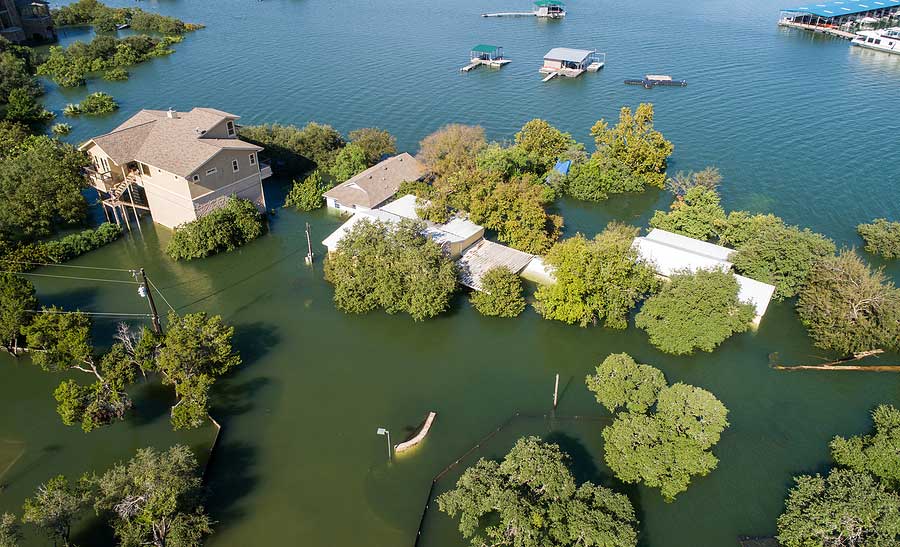
How Coastal Weather Influences Flood Restoration in Bal Harbour
Bal Harbour, along with neighboring communities including Sunny Isles Beach, North Miami Beach, North Miami, Aventura, Miami Shores, Surfside, and Biscayne Park, is a coastal area renowned for its luxury homes, high-rise condos, and prime waterfront properties. Living by the water provides a unique lifestyle, but it also exposes residents to environmental challenges, particularly water intrusion and flooding.
Flood restoration in Bal Harbour is not simply about removing water. Coastal weather conditions—high humidity, tropical storms, heavy rainfall, and ocean influence—directly impact both the extent of flood damage and the methods required for effective restoration. Homeowners, landlords, and property managers need to understand how these factors contribute to water damage and the best strategies for protecting their properties.
Understanding Flood Damage in Coastal Homes
Flooding occurs when water enters areas where it should not be, causing damage to flooring, walls, ceilings, insulation, and personal property. In Bal Harbour, common sources of flooding include:
- Storm surge and high tides: Waterfront properties are vulnerable during tropical storms and hurricanes. Water can enter through doors, windows, and ground-level access points.
- Heavy seasonal rainfall: Intense storms can overwhelm drainage systems and cause water to pool around or inside homes.
- Plumbing and appliance failures: Burst pipes, leaking water heaters, or malfunctioning appliances can lead to localized flooding.
- Drainage issues: Poorly maintained gutters, clogged drains, or improper grading can allow water to accumulate near the foundation.
Coastal weather amplifies these risks. Even minor flooding can quickly escalate into severe property damage when coupled with high humidity, salt air exposure, and persistent moisture retention.
Why Coastal Weather Makes Flood Restoration More Challenging
Several aspects of coastal weather affect the severity of flooding and the complexity of restoration in Bal Harbour:
1. High Humidity
Bal Harbour experiences year-round humidity, often exceeding 70%. High humidity slows drying times after flood events, prolonging moisture exposure to structural materials and personal belongings. Moisture trapped in walls, flooring, and subfloors can foster mold growth within 24–48 hours.
2. Saltwater Exposure
Salt-laden ocean air can exacerbate flood damage. When stormwater or surge water contains salt, it accelerates corrosion in metal components such as plumbing, HVAC units, and fasteners. Saltwater also leaves residues that degrade flooring, cabinetry, and other building materials if not properly cleaned during restoration.
3. Heavy Rainfall and Storms
Tropical storms, hurricanes, and seasonal heavy rains can overwhelm local drainage systems, causing both direct flooding and water seepage into basements, ground floors, and crawl spaces. Repeated rainfall events can prolong exposure, making comprehensive restoration essential.
4. Coastal Soil and Foundation Conditions
Many Bal Harbour properties are built on sandy soil or slab foundations. Sandy soil can allow water to infiltrate below the surface, leading to moisture beneath floors and around foundations. Slab foundations retain heat and humidity, slowing the drying process and increasing the risk of hidden damage.
5. Persistent Dampness and Microbial Growth
Coastal weather keeps indoor and outdoor moisture levels high. Even after visible floodwater is removed, lingering dampness can promote microbial growth, compromise indoor air quality, and weaken structural materials.
Common Signs That Flood Restoration Is Needed
Homeowners should be alert to both obvious and hidden signs of flood damage:
- Standing or pooled water: Visible water after a storm or plumbing failure.
- Discoloration or staining: Brown or yellow stains on walls, ceilings, or floors.
- Warped or buckling floors: Wood, laminate, or tile flooring can swell or warp due to moisture.
- Musty or moldy odors: Persistent smells indicate hidden moisture or microbial growth.
- Sagging ceilings or walls: Prolonged water exposure can weaken drywall, plaster, and support structures.
- AC or HVAC issues: Moisture accumulation from floodwater can infiltrate ductwork or HVAC units.
Even minor indications should prompt professional evaluation, as hidden water can lead to long-term structural and air quality problems.
Hidden Risks Coastal Homeowners Often Overlook
Flooding can create concealed damage that goes unnoticed:
- Inside wall cavities: Water trapped behind drywall can damage framing and insulation.
- Under flooring: Moisture beneath hardwood, laminate, or tile subfloors can compromise stability.
- Attics and crawl spaces: Roof leaks or drainage issues allow water to accumulate in concealed areas.
- HVAC and ductwork contamination: Water and moisture in ducts can spread contaminants and affect air quality.
- Structural components: Joists, beams, and supports may weaken if water persists.
Professional flood restoration addresses both visible and hidden water damage, preventing recurring problems and structural deterioration.
Why DIY Flood Restoration Often Falls Short
While some homeowners attempt to manage flood damage themselves, DIY methods rarely provide sufficient results:
- Incomplete drying: Fans, towels, or low-capacity dehumidifiers may fail to remove moisture from walls, subfloors, and insulation.
- Hidden mold growth: Residual moisture can lead to mold colonization within hours.
- Structural compromise: Unseen damage to framing or foundations can worsen over time.
- Salt and contaminant residue: Improper cleaning may leave corrosive or harmful residues behind.
Professional flood restoration ensures thorough water removal, drying, cleaning, and microbial prevention, reducing long-term risks.
Professional Flood Restoration Process
In Bal Harbour, flood restoration typically involves:
- Assessment and inspection: Identify all sources of water, affected areas, and potential structural concerns.
- Water extraction: Use industrial-grade pumps and vacuums to remove standing water.
- Drying and dehumidification: Employ high-capacity air movers and dehumidifiers to remove hidden moisture from walls, subfloors, and insulation.
- Mold prevention and remediation: Apply antimicrobial treatments to prevent microbial growth.
- Structural repair: Replace or restore damaged flooring, drywall, framing, and insulation as needed.
- HVAC and duct inspection: Ensure that AC units and ductwork are free of water and contaminants.
- Monitoring: Use moisture meters and thermal imaging to confirm complete drying and restoration.
This comprehensive approach protects property value, prevents mold growth, and restores the home to a safe, healthy condition.
Simple Ways to Reduce Long-Term Damage
After flood restoration, property owners can adopt several strategies to minimize future risks:
- Maintain proper drainage: Keep gutters, downspouts, and surrounding landscaping clear to divert water away from foundations.
- Regular roof inspections: Repair leaks, cracks, or damaged seals promptly.
- AC and HVAC maintenance: Ensure units and ducts are properly insulated and free of leaks.
- Humidity control: Use dehumidifiers or ventilation to maintain indoor humidity between 30–50%.
- Routine inspections: Schedule professional assessments, particularly after storms or heavy rains.
- Preventative sealing: Seal cracks, windows, doors, and foundation joints to reduce water intrusion.
These measures are particularly important in coastal environments, where repeated exposure to rain, storms, and salt-laden air increases the risk of flooding and long-term property damage.
Why Local Expertise Matters
Bal Harbour homes face challenges unique to coastal properties:
- Salt air accelerates corrosion and material deterioration.
- High humidity prolongs drying times and encourages microbial growth.
- Tropical storms and seasonal rainfall create repeated water intrusion events.
- Hidden moisture in walls, flooring, and ductwork requires professional detection.
Tip Top Water and Fire Damage Restoration provides flood restoration, water damage mitigation, and preventive services specifically for Bal Harbour and nearby neighborhoods including Sunny Isles Beach, North Miami Beach, North Miami, Aventura, Miami Shores, Surfside, and Biscayne Park. Local expertise ensures restoration is precise, thorough, and designed for the unique conditions of coastal living.
Calm, Trust-Based Call to Action
Flooding in Bal Harbour homes can quickly compromise indoor air quality, structural integrity, and property value. Early detection, professional water extraction, and thorough flood restoration are essential to prevent long-term damage. By combining expert water removal, drying, mold prevention, structural repairs, and long-term preventive strategies, homeowners and property managers can safeguard their properties against the challenges of coastal weather. Local professionals provide reliable, tailored solutions that protect waterfront and high-rise properties, ensuring comfort, safety, and long-term protection.