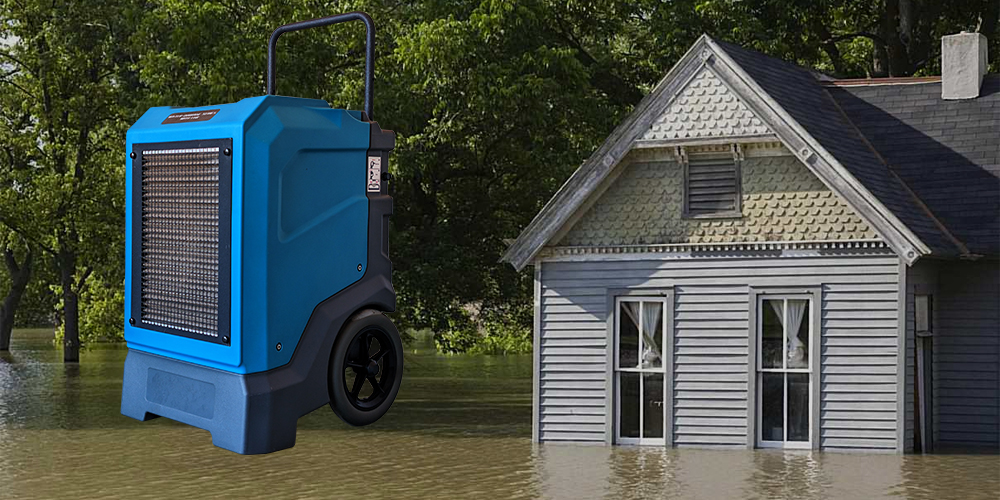
How Coastal Weather Influences Flood Restoration in Coastal Neighborhoods Near Biscayne Bay
Flooding is a reality many property owners face in coastal neighborhoods near Biscayne Bay. Heavy rains, tidal influences, storm surge, and high groundwater levels can all contribute to water entering homes and buildings. While the immediate priority after a flood is removing water, the coastal environment plays a major role in how restoration is performed and how long recovery takes.
What Flood Restoration Really Involves
Flood restoration is the process of removing water, drying affected materials, cleaning contaminated areas, and restoring damaged portions of a property. Unlike minor leaks, flooding often affects multiple areas of a home at once, including:
- Flooring and subfloors
- Drywall and insulation
- Baseboards and framing
- Cabinets and built-in structures
- HVAC systems and ductwork
Floodwater can also carry contaminants, making proper cleaning and drying essential to protect both the structure and indoor air quality.
Why Flooding Is Common Near Biscayne Bay
Coastal neighborhoods near Biscayne Bay experience unique conditions that increase flood risk compared with inland areas.
Heavy seasonal rainfall
South Florida storms can produce large amounts of rain in a short time, overwhelming drainage systems.
High tides and storm surge
Coastal flooding may occur even without heavy rainfall when tides and storm conditions combine.
Low elevation in some neighborhoods
Certain areas of North Miami, Miami Shores, and nearby coastal communities sit close to sea level, increasing vulnerability.
Saturated ground conditions
When soil is already wet, additional rainwater has nowhere to drain, leading to pooling and intrusion.
These factors mean flood restoration is often part of routine property maintenance in coastal environments.
How Coastal Weather Affects the Restoration Process
Flood restoration in coastal regions differs from restoration in drier climates because moisture behaves differently in humid environments.
Several weather-related factors influence the process:
Humidity slows drying
High humidity reduces evaporation, meaning materials take longer to dry.
Salt in the air affects materials
Salt exposure can accelerate corrosion in metal fixtures and HVAC components.
Frequent storms interrupt drying
Additional rain or humidity spikes can slow progress if restoration is not carefully managed.
Warm temperatures accelerate microbial growth
Moist materials in warm environments can develop mold more quickly if drying is delayed.
Because of these conditions, thorough drying and monitoring are critical steps in flood restoration near Biscayne Bay.
Common Signs That Flood Restoration Is Needed
Some flood damage is obvious, but other effects may appear gradually after water recedes.
Property owners often notice:
- Warped or buckling flooring
- Water stains on walls or ceilings
- Musty odors
- Peeling paint or swelling baseboards
- Damp carpets or padding
- Increased indoor humidity
Even minor flooding can leave moisture trapped inside materials, which may not become visible until days later.
Hidden Damage That Often Appears After Flooding
One of the biggest challenges after flooding is identifying areas that appear dry but still contain moisture.
Hidden damage may include:
- Wet insulation behind walls
- Moist subflooring beneath tile or wood
- Damp framing inside wall cavities
- Moisture inside air ducts
- Water trapped beneath cabinets or appliances
In coastal homes, high humidity can keep these areas damp for extended periods, increasing the risk of mold growth.
Why Quick Action Matters in Coastal Flooding
Flood restoration should begin as soon as possible after water intrusion. Delays allow moisture to spread deeper into materials and increase the likelihood of structural damage.
Quick action helps:
- Reduce mold risk
- Prevent wood swelling and warping
- Protect drywall and insulation
- Improve the effectiveness of drying
Homes where water removal and drying begin promptly often require fewer repairs than those where moisture remains for several days.
The Flood Restoration Process Step by Step
A structured approach helps ensure that both visible water and hidden moisture are addressed.
1. Stopping the water source if possible
In some cases, temporary repairs or drainage improvements may be needed.
2. Water extraction
Standing water is removed using pumps or extraction equipment.
3. Drying and dehumidification
Air movers and dehumidifiers remove moisture from materials and the surrounding air.
4. Moisture monitoring
Moisture meters confirm when materials have dried to safe levels.
5. Cleaning and sanitation
Flood-affected areas are cleaned to remove contaminants.
6. Repairs and restoration
Damaged materials are repaired or replaced once drying is complete.
Professionals experienced in coastal restoration understand how to adjust drying strategies to account for humidity and weather conditions. Companies like Tip Top Water and Fire Damage Restoration often use extended monitoring to ensure moisture levels remain stable.
The Risk of Mold After Flooding
Flooding and mold are closely connected, especially in humid coastal environments.
Mold risk increases when:
- Drying is incomplete
- Humidity remains high
- Insulation and drywall stay damp
- Air circulation is limited
Proper drying and ventilation are essential to preventing mold growth after a flood.
HVAC Systems and Flood Damage
HVAC systems are particularly vulnerable during flooding.
Potential problems include:
- Water entering ductwork
- Contaminants circulating through the system
- Mold developing in duct insulation
- Reduced airflow due to moisture or debris
Inspection and cleaning of HVAC components are often important steps in restoring indoor air quality after flooding.
Practical Steps to Reduce Future Flood Damage
While flooding cannot always be prevented, property owners can take steps to reduce its impact.
Helpful measures include:
- Inspecting roofs and seals regularly
- Keeping gutters and drains clear
- Monitoring plumbing systems
- Elevating sensitive equipment where possible
- Addressing minor leaks promptly
- Scheduling routine HVAC inspections
These steps often reduce the severity of damage when flooding occurs.
Why Local Experience Matters in Coastal Flood Restoration
Flood restoration near Biscayne Bay requires knowledge of local weather patterns, building materials, and moisture behavior.
Professionals familiar with the area understand:
- How humidity affects drying times
- Where floodwater commonly enters homes
- Which materials are most vulnerable in coastal climates
- How storms and tides influence moisture levels
This experience helps ensure restoration is thorough and long-lasting.
A Practical Next Step for Property Owners
Flooding can be stressful, but early response and proper restoration significantly reduce long-term damage. If water enters a home, having the property inspected and dried quickly helps prevent mold growth and structural deterioration.
Working with experienced restoration professionals such as Tip Top Water and Fire Damage Restoration helps ensure that both visible water and hidden moisture are properly addressed. With prompt action and regular maintenance, homeowners in coastal neighborhoods near Biscayne Bay can better protect their properties and recover more quickly after flooding.