
How Coastal Weather Influences Moisture Detection in Miami Shores
Miami Shores might not sit directly on the ocean like Sunny Isles Beach, but it’s still deeply influenced by coastal weather patterns. Proximity to Biscayne Bay, high humidity, heavy seasonal rain, and elevated groundwater all shape how moisture behaves inside homes here.
For property owners in Miami Shores, moisture detection isn’t just something you do after visible water damage. It’s a preventive strategy. Coastal weather changes how water moves, where it hides, and how long it lingers.
Understanding that difference is critical.
Moisture in South Florida Doesn’t Behave Like It Does Inland
In dry climates, water intrusion often dries naturally with airflow and time.
In Miami Shores, moisture tends to:
- Absorb into concrete block
- Settle into insulation
- Travel through wall cavities
- Linger in subflooring
- Reappear during humid days
The air itself carries high moisture levels year-round. That means evaporation is slower, and building materials remain damp longer.
Moisture detection in this environment requires precision — not guesswork.
Why Miami Shores Homes Are Especially Vulnerable
Many homes in Miami Shores were built between the 1940s and 1970s. While structurally solid, they often feature:
- Concrete block construction
- Older plumbing systems
- Flat or low-slope roof sections
- Minimal attic ventilation
- Slab foundations
Add coastal weather factors such as:
- Wind-driven rain
- Hurricane season storms
- King tide groundwater pressure
- Constant humidity
…and you get an environment where moisture intrusion is common, even without obvious flooding.
Wind-Driven Rain Changes Everything
During heavy storms, rain doesn’t just fall vertically.
In Miami Shores, wind-driven rain can:
- Penetrate window seals
- Force moisture under roof flashing
- Push water into soffits
- Enter through small wall cracks
- Bypass sliding door tracks
Water intrusion during storms is often subtle. By the time staining appears, moisture has already spread behind surfaces.
Professional moisture detection identifies these hidden areas early.
Elevated Groundwater and Slab Foundations
Homes near canals or low-lying areas in Miami Shores often experience elevated groundwater levels after prolonged rainfall.
Slab foundations can absorb moisture from below.
This can lead to:
- Damp flooring
- Warped baseboards
- Musty odors
- Subfloor mold growth
- Tile adhesive failure
Surface dryness doesn’t mean the slab underneath is dry.
Moisture meters and slab probes are essential in these cases.
AC Systems and Humidity Retention
Air conditioning systems in Miami Shores run nearly year-round.
Constant operation can lead to:
- Condensation inside ducts
- Drain line clogs
- Moisture buildup in air handler closets
- Elevated indoor humidity if not maintained
If humidity inside the home remains high, even minor leaks can become long-term moisture problems.
Moisture detection often includes checking HVAC systems because they are both moisture sources and moisture distributors.
Attic Moisture and Coastal Climate
Attics in Miami Shores homes frequently develop moisture issues due to:
- Roof flashing failure
- Poor ventilation
- Tile roof underlayment aging
- Storm-related intrusion
Warm, humid air rising into attic spaces can create condensation on roof sheathing.
Over time, this leads to mold growth or wood deterioration.
Attic inspection is a critical part of moisture detection in coastal South Florida.
The Hidden Spread of Moisture
Moisture rarely stays where it enters.
It travels through:
- Insulation
- Wood framing
- Drywall seams
- Electrical penetrations
- Plumbing openings
In one Miami Shores property, a small leak near a window frame resulted in elevated moisture readings three feet away inside the wall cavity.
Without thermal imaging and proper meters, that would have been missed.
Why Visual Inspection Isn’t Enough
Homeowners often rely on visible signs like stains or peeling paint.
But by the time these appear, moisture has usually been present for weeks.
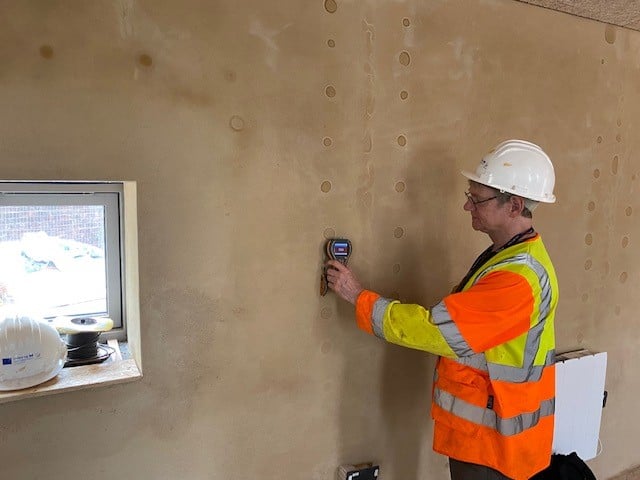
Professional moisture detection tools include:
- Pin and non-invasive moisture meters
- Thermal imaging cameras
- Hygrometers for indoor humidity
- Infrared scanning for cold spots
These tools identify moisture before mold develops.
In coastal climates, early detection is everything.
The Mold Connection
Miami Shores’ humidity accelerates mold growth.
If materials remain damp for 24–48 hours, mold can begin forming.
Unchecked moisture may lead to:
- Wall cavity mold
- Under-carpet mold
- Attic contamination
- Duct contamination
Moisture detection helps prevent full mold remediation by catching the problem in its early stages.
Storm Season Inspections
After hurricane season storms or heavy summer rainfall, moisture inspections are highly recommended.
Wind-driven rain can enter through:
- Roof penetrations
- Window flashing
- Door frames
- Garage thresholds
- Exterior wall cracks
Even if there’s no visible water, inspection confirms structural stability.
In nearby areas like North Miami Beach and Biscayne Park, post-storm moisture checks often prevent larger restoration projects.
Why Local Experience Matters
Moisture detection in Miami Shores is not the same as detection in inland Florida.
Local professionals understand:
- Coastal wind patterns
- King tide groundwater pressure
- Concrete block drying behavior
- Slab moisture retention
- Older home construction styles
- Tile roof vulnerabilities
Tip Top Water and Fire Damage Restoration approaches moisture detection with a clear understanding of South Florida’s environmental pressures. That familiarity helps identify vulnerable areas quickly and prevents recurring issues.
Preventive Maintenance Strategies
Property owners in Miami Shores can reduce risk by:
- Inspecting roofs before storm season
- Maintaining window seals
- Cleaning gutters and flat roof drains
- Monitoring indoor humidity
- Servicing AC systems regularly
- Scheduling periodic moisture inspections
Homes near water or low-lying areas require extra attention.
Routine monitoring is far less expensive than structural repair.
A Practical Approach to Coastal Moisture
Coastal weather in Miami Shores isn’t going to change.
Humidity will remain high. Storms will continue. Groundwater will rise during heavy rain.
The solution isn’t worry — it’s awareness.
Moisture detection is about identifying problems early, before they turn into mold remediation or structural damage.
If something feels off — a musty smell, persistent humidity, subtle discoloration — don’t ignore it.
Inspect early. Measure accurately. Dry thoroughly.
That’s how Miami Shores homeowners stay ahead of moisture problems in one of South Florida’s most climate-exposed communities.