How Coastal Weather Influences Moisture Detection in Sunny Isles Beach
Sunny Isles Beach is well known for its waterfront properties, high-rise residences, and warm coastal climate. While the ocean views and sea breezes are appealing, the same environment creates constant challenges related to moisture. High humidity, salt air, and seasonal storms all contribute to hidden moisture problems in homes and buildings. Because moisture is not always visible, proper detection becomes an essential step in preventing mold growth, structural damage, and long-term repair costs.
Understanding how coastal weather influences moisture detection helps homeowners and property managers recognize risks early and maintain their properties more effectively.
Why Moisture Problems Are Common in Sunny Isles Beach
Moisture intrusion is more common in coastal areas than many people realize. Even without flooding or major leaks, moisture can accumulate inside walls, ceilings, and ductwork.
Several factors contribute to this:
- High outdoor humidity entering indoor spaces
- Air conditioning condensation
- Wind-driven rain during storms
- Minor roof or window leaks
- Plumbing issues inside walls
- Poor ventilation in enclosed areas
In Sunny Isles Beach, these conditions often combine, making moisture detection an important part of routine property maintenance.
The Role of Humidity in Hidden Moisture
Humidity plays one of the biggest roles in moisture problems. When indoor air contains high levels of moisture, materials such as drywall, wood, and insulation absorb that moisture slowly over time.
Unlike visible leaks, humidity-related moisture may not leave obvious signs at first. Walls and ceilings may appear dry while moisture levels inside remain elevated.
This is why moisture detection tools are often necessary to locate damp areas before damage becomes visible.
How Coastal Storms Affect Moisture Intrusion
Storms and heavy rainfall are common in South Florida, and coastal communities like Sunny Isles Beach often experience strong winds and intense rain. Wind-driven rain can force water into small gaps around windows, doors, and roofing materials.
Even minor intrusion can lead to hidden moisture inside:
- Wall cavities
- Ceiling insulation
- Flooring layers
- Mechanical spaces
Because these areas are enclosed, moisture can remain trapped for long periods, increasing the risk of mold and structural deterioration.
Salt Air and Its Impact on Moisture Levels
Salt carried in coastal air affects more than just metal surfaces. Salt particles attract moisture, increasing humidity levels inside buildings near the ocean.
This can lead to:
- Damp air ducts
- Moisture buildup around vents
- Condensation on metal components
- Slower drying of building materials
Salt exposure also accelerates corrosion, which can weaken seals and increase the likelihood of small leaks developing over time.
Why Moisture Detection Is Important
Moisture detection helps identify problems before they become severe. Many structural issues and mold problems begin in areas that are not visible.
Detecting moisture early allows homeowners to:
- Repair leaks before damage spreads
- Prevent mold growth
- Protect structural materials
- Improve indoor air quality
- Reduce repair costs
In coastal environments, early detection is often the most effective way to prevent long-term problems.
Common Areas Where Moisture Is Found
In Sunny Isles Beach homes, moisture is frequently detected in areas that are not regularly inspected.
These include:
- Around air handlers and ducts
- Inside attic insulation
- Behind drywall near plumbing
- Beneath flooring
- Around window frames
- Inside closets or storage spaces
Because these areas receive limited airflow, moisture can remain trapped for extended periods.
How Moisture Detection Works
Professional moisture detection involves using specialized tools designed to measure moisture levels inside materials.
Common methods include:
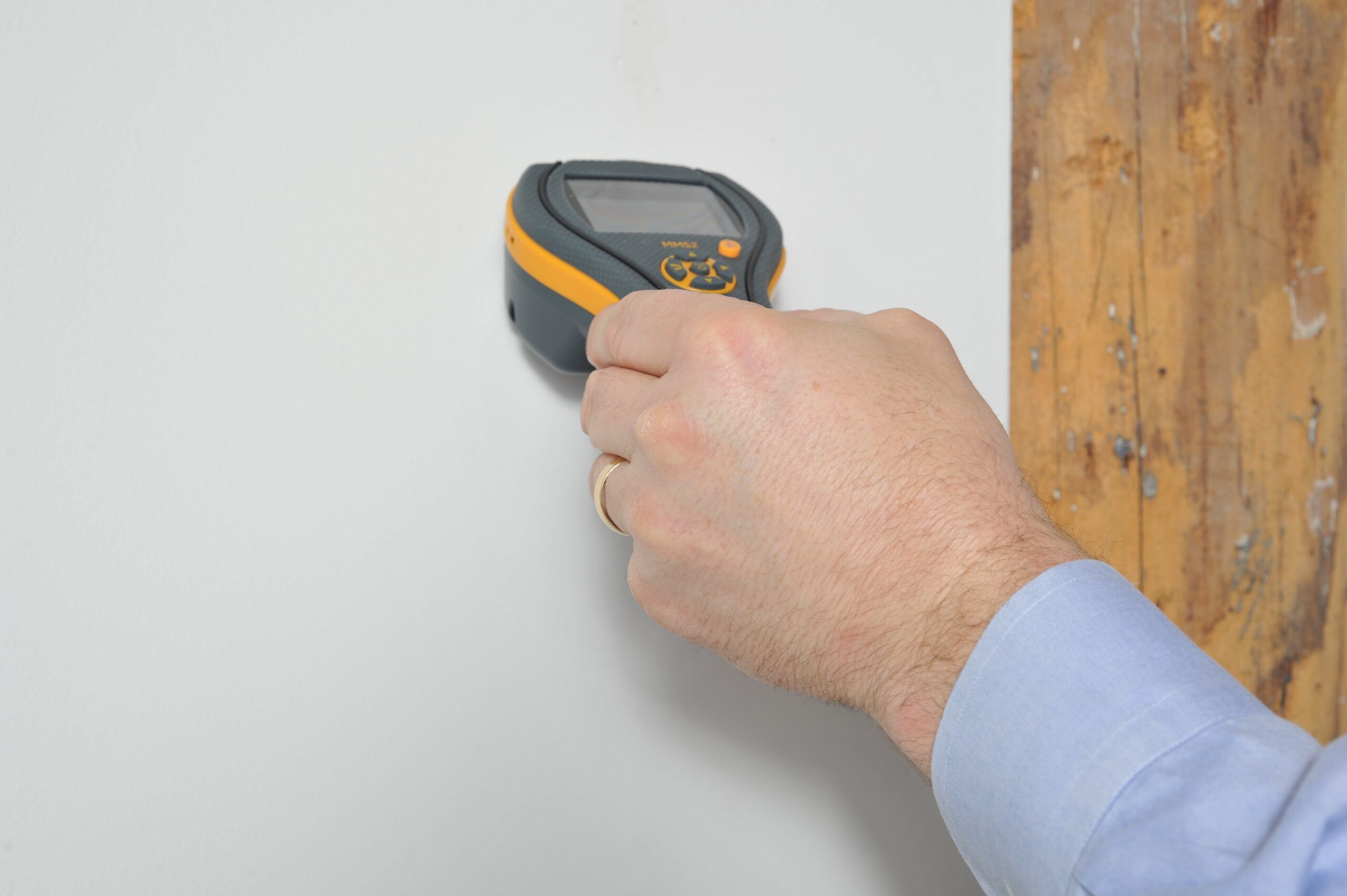
Moisture Meters
These devices measure moisture content in drywall, wood, and other materials, helping identify damp areas.
Infrared Imaging
Thermal cameras detect temperature differences that may indicate hidden moisture behind walls or ceilings.
Humidity Measurement
Indoor humidity levels are measured to determine whether conditions are likely to support mold growth.
Professionals experienced in coastal environments, such as Tip Top Water and Fire Damage Restoration, often combine these methods to locate moisture that would otherwise remain unnoticed.
The Connection Between Moisture and Mold
Moisture is the primary factor that allows mold to grow. In warm climates like South Florida, mold can begin developing quickly when materials remain damp.
Areas most vulnerable include:
- Ceiling cavities near AC systems
- Duct insulation
- Behind walls near plumbing
- Closets with limited airflow
Detecting moisture early helps prevent mold remediation later.
Why Drying Is More Challenging in Coastal Homes
Drying damp materials takes longer in coastal environments because the surrounding air already contains moisture. Even when water intrusion is minor, humidity slows evaporation.
Proper drying often requires:
- Dehumidifiers to remove moisture from the air
- Air movers to improve airflow
- Monitoring equipment to track moisture levels
Without thorough drying, moisture may remain trapped and cause problems later.
HVAC Systems and Moisture Detection
Air conditioning systems play an important role in controlling humidity, but they can also contribute to moisture problems when condensation is not draining properly.
During moisture detection, HVAC systems are often inspected to check:
- Condensate drain lines
- Air handler compartments
- Duct insulation
- Vent airflow
Addressing HVAC-related moisture helps improve indoor air quality and prevent recurring issues.
Preventing Moisture Problems in Coastal Homes
Homeowners in Sunny Isles Beach can take several steps to reduce the risk of hidden moisture:
- Inspect roofs and windows after storms
- Clean AC drain lines regularly
- Monitor indoor humidity levels
- Ensure attic and mechanical spaces are ventilated
- Address small leaks promptly
- Schedule periodic inspections
Routine maintenance is especially important in coastal properties exposed to humidity year-round.
Why Local Experience Matters
Moisture detection in Sunny Isles Beach requires understanding how coastal weather, humidity, and building materials interact. Moisture behaves differently in coastal homes than in inland areas, and hidden damp areas are more common.
Professionals who regularly work in Sunny Isles Beach, Bal Harbour, and North Miami Beach are familiar with these conditions and know where moisture problems are most likely to develop. Local experience often leads to faster detection and more effective solutions.
A Practical Perspective for Property Owners
Moisture problems often begin quietly and remain hidden until visible damage appears. Coastal weather makes early detection especially important because humidity slows drying and allows moisture to persist.
By understanding how moisture detection works and why it matters, homeowners in Sunny Isles Beach can protect their homes, prevent mold, and reduce the likelihood of costly repairs in the future.