How Coastal Weather Influences Mold Remediation in North Miami Beach
Living in North Miami Beach has many advantages—warm temperatures, ocean breezes, and year-round sunshine. But coastal living also comes with a challenge that many homeowners don’t fully appreciate until it becomes a serious issue: moisture. Humidity, salt air, and sudden storms create ideal conditions for mold to grow, often in places that aren’t immediately visible.
Over the years, many property owners in North Miami Beach, Sunny Isles Beach, Aventura, and nearby coastal communities have discovered that mold problems aren’t always caused by a major leak or flood. Sometimes, the coastal climate itself is the main factor.
Understanding how coastal weather influences mold growth—and how remediation works—can help homeowners protect their properties and avoid recurring problems.
What Mold Remediation Means in Real Homes
Mold remediation isn’t simply wiping away visible mold. True remediation involves identifying the moisture source, removing contaminated materials when necessary, cleaning affected areas, and restoring safe indoor conditions.
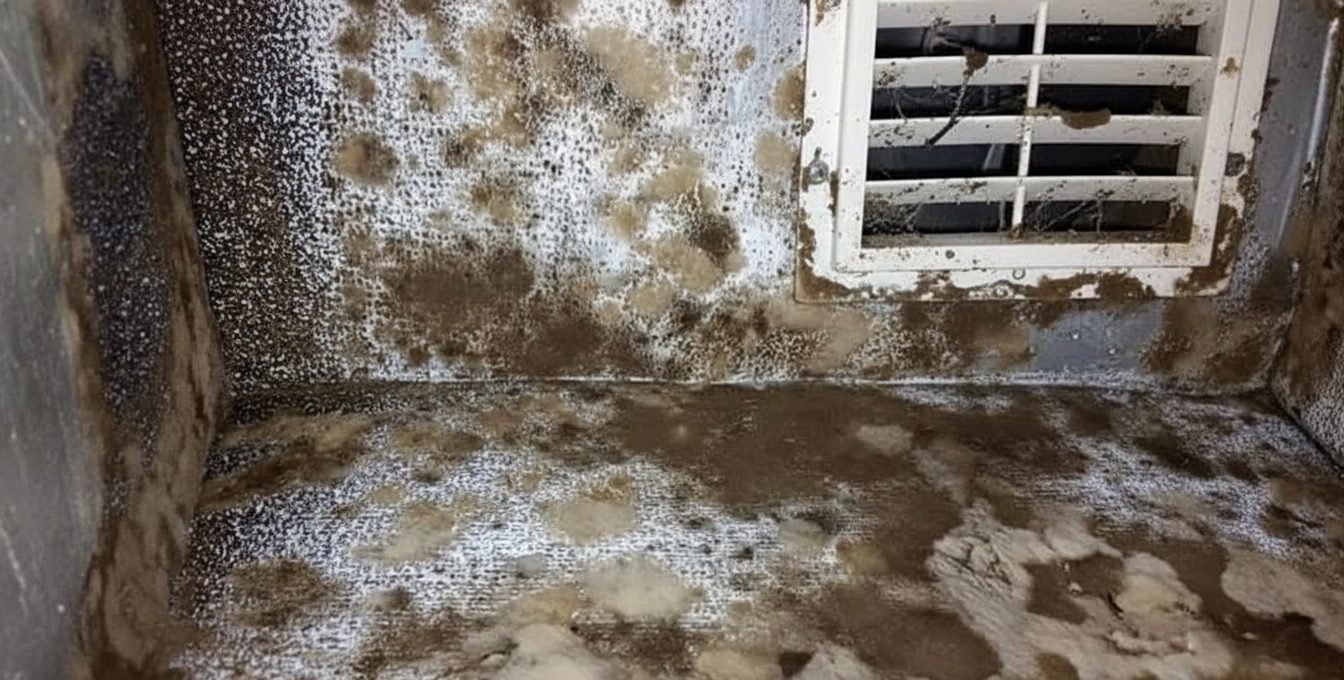
In North Miami Beach homes, mold often appears on drywall, ceilings, inside air ducts, or beneath flooring. Even newer homes can develop mold if ventilation is poor or humidity remains high for extended periods.
Remediation focuses not only on removal but also on preventing mold from returning.
Why This Happens So Often in North Miami Beach
Coastal weather plays a major role in mold problems across North Miami Beach and surrounding areas.
Several local factors contribute:
High humidity levels that remain elevated for much of the year
Frequent rainstorms and tropical weather systems
Salt air exposure that affects building materials
Warm temperatures that accelerate mold growth
Air conditioning systems running constantly, which can create condensation
Homes near the water, especially bayfront and canal-side properties, often experience higher indoor moisture levels than properties farther inland. Even when windows and doors stay closed, humidity can gradually enter through building materials and ventilation systems.
Common Signs Homeowners Notice
Mold problems often start quietly. Many homeowners first notice small changes that don’t immediately seem serious.
Typical early signs include:
- A persistent musty odor
- Dark spots forming on ceilings or walls
- Peeling paint or bubbling drywall
- Condensation around vents or windows
- Increased allergy-like symptoms indoors
- Damp or discolored carpet edges
Because coastal humidity slows evaporation, moisture lingers longer inside walls and flooring. This gives mold time to grow before the problem becomes visible.
Hidden or Overlooked Sources of Moisture
One of the biggest challenges in North Miami Beach homes is that mold frequently grows in hidden areas.
Common overlooked sources include:
Air conditioning drain line issues
Clogged or slow drains can cause water to back up into attic or ceiling spaces.
Air ducts and vents
Cool air moving through ducts can create condensation, especially when insulation is insufficient.
Roof flashing and small leaks
Minor roof leaks may not drip visibly but can dampen insulation and framing.
Window seals and sliding doors
Salt air and sun exposure gradually weaken seals, allowing moisture intrusion.
Crawl spaces and slab edges
Ground moisture can migrate upward in humid climates.
These hidden sources are often discovered only during a professional inspection.
Why DIY Mold Removal Usually Fails
Many homeowners attempt to clean mold themselves, especially when the affected area appears small. While surface cleaning may temporarily improve appearance, it rarely solves the underlying issue.
Common DIY problems include:
- Moisture sources not identified
- Mold inside walls or ducts left untreated
- Improper cleaning methods that spread spores
- Incomplete drying of materials
In coastal climates, even small amounts of residual moisture can allow mold to return quickly. That’s why remediation requires both cleaning and moisture control.
Professional Mold Inspection and Testing Explained
A professional mold inspection focuses on locating both visible and hidden moisture.
In North Miami Beach homes, inspections typically include:
- Moisture meter readings in walls and ceilings
- Thermal imaging to detect hidden damp areas
- Air quality or surface sampling when necessary
- Inspection of HVAC systems and ductwork
- Attic and crawl space evaluation
These steps help determine the full extent of contamination and identify the conditions that allowed mold to develop.
Companies like Tip Top Water and Fire Damage Restoration often find that the most significant issues are not visible at first glance but are developing behind walls or inside mechanical systems.
Proper Mold Removal and Remediation Process
Effective remediation follows a structured process designed to eliminate mold safely and prevent cross-contamination.
Typical steps include:
Containment of affected areas to prevent spores from spreading
Removal of heavily contaminated materials when required
Cleaning and antimicrobial treatment of structural surfaces
Drying and dehumidification to remove excess moisture
Post-remediation verification to confirm conditions are stable
Drying is especially important in coastal areas, where moisture levels can rebound quickly if equipment is removed too soon.
Flood Restoration and Water Damage Repair
In North Miami Beach, mold remediation often follows water damage events such as storms, roof leaks, or plumbing failures.
Flood restoration may include:
- Water extraction
- Structural drying
- Carpet and flooring removal
- Cleaning and sanitizing surfaces
- Repairing damaged drywall or insulation
When water damage is addressed quickly, the risk of mold growth decreases significantly. However, even a delay of 24 to 48 hours in humid conditions can allow mold to begin forming.
Air Ducts, AC Systems, and Mold
Air conditioning systems play a major role in indoor moisture control, but they can also contribute to mold problems when not maintained properly.
In coastal Florida homes, common HVAC-related issues include:
- Condensation inside ducts
- Dirty evaporator coils
- Insufficient airflow
- Blocked drain lines
- Poor attic insulation around ductwork
Mold inside duct systems can spread spores throughout the home, making professional cleaning and moisture correction essential.
How to Prevent Mold in North Miami Beach Homes
While coastal humidity cannot be eliminated, homeowners can reduce mold risk by following practical maintenance steps.
Helpful preventive measures include:
- Keeping indoor humidity below 60%
- Servicing AC systems regularly
- Checking roofs and seals after storms
- Cleaning and inspecting drain lines
- Using dehumidifiers in problem areas
- Ensuring proper attic ventilation
Routine inspections are especially important in older homes across Miami Shores, Biscayne Park, and Surfside, where aging materials are more vulnerable to moisture intrusion.
Why Local Experience Matters
Mold remediation in coastal environments requires an understanding of local weather patterns, building construction, and humidity behavior.
Professionals familiar with North Miami Beach conditions recognize how:
- Salt air affects materials
- Afternoon storms impact attic humidity
- AC systems operate year-round
- Coastal airflow changes indoor moisture levels
Local experience helps identify subtle moisture sources that may be overlooked by companies unfamiliar with the region. That’s one reason homeowners in North Miami Beach and nearby communities often rely on experienced local providers such as Tip Top Water and Fire Damage Restoration when dealing with mold issues.
A Calm, Practical Next Step
Mold problems can feel overwhelming at first, but most situations can be resolved effectively when addressed early. The key is identifying the moisture source, drying the structure properly, and ensuring that conditions no longer support mold growth.
For homeowners in North Miami Beach, Sunny Isles Beach, Aventura, Bal Harbour, and surrounding coastal neighborhoods, staying aware of how humidity and weather affect the home is one of the most effective ways to prevent future issues.
A careful inspection and a well-planned remediation process can restore a healthy indoor environment and help protect the property for years to come.