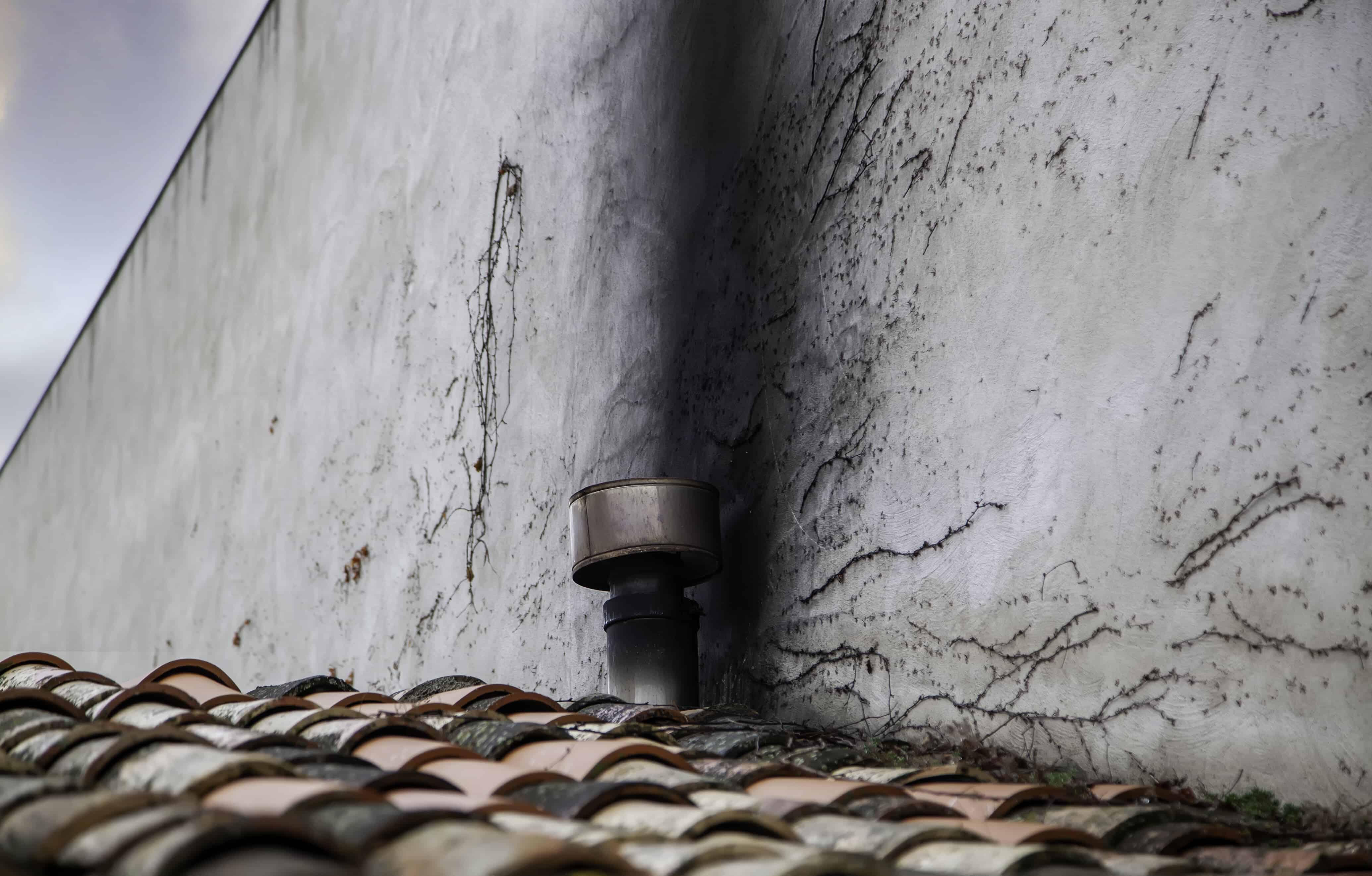
How Coastal Weather Influences Smoke Damage Cleanup in Biscayne Park
Smoke damage is often associated with visible soot and lingering odors, but the cleanup process involves much more than wiping down surfaces. In Biscayne Park and nearby communities such as Miami Shores, North Miami, and Surfside, coastal weather plays a major role in how smoke damage behaves and how cleanup must be performed. Humidity, warm temperatures, and air circulation patterns all affect how smoke particles settle, absorb into materials, and persist indoors.
Understanding how coastal weather influences smoke damage cleanup helps property owners respond effectively and prevent long-term problems.
What Smoke Damage Really Is
Smoke is made up of extremely small particles produced during combustion. These particles travel through the air and settle on surfaces throughout a home, often far from the area where a fire occurred. Smoke residue can affect:
- Walls and ceilings
- Flooring and carpeting
- Cabinets and furniture
- Air ducts and HVAC systems
- Insulation and attic spaces
Because smoke particles are microscopic, they can penetrate porous materials and remain trapped even after surfaces appear clean.
Why Coastal Weather Changes the Cleanup Process
In coastal environments like Biscayne Park, several weather-related factors influence smoke damage and the methods required to remove it effectively.
High humidity
Moist air allows soot and smoke particles to cling more strongly to surfaces, making them harder to remove.
Warm temperatures
Heat can intensify odors and cause smoke residues to continue releasing smells over time.
Salt in the air
Coastal air can react with smoke residue, sometimes increasing corrosion or staining on metal surfaces and fixtures.
Reduced natural drying
High humidity slows the evaporation of cleaning solutions and moisture used during restoration, requiring careful drying and ventilation.
These conditions mean that smoke cleanup in coastal areas often takes longer and requires thorough drying and odor control.
Common Causes of Smoke Damage in Biscayne Park Homes
Smoke damage can occur in several ways, not all of which involve major fires.
Frequent causes include:
- Small kitchen fires
- Electrical malfunctions
- Appliance overheating
- Fireplace or grill incidents
- Neighboring unit fires in multi-family buildings
Even small incidents can spread smoke throughout a home, especially when HVAC systems are running.
Early Signs That Smoke Damage Cleanup Is Needed
Some signs of smoke damage are obvious, but others develop gradually.
Property owners often notice:
- Persistent smoke or burnt odors
- Fine soot on surfaces or inside cabinets
- Yellow or gray discoloration on walls or ceilings
- Odors coming from vents
- Increased dust or residue on surfaces
Even when staining appears minor, particles may be present in hidden areas of the home.
Hidden Areas Where Smoke Residue Accumulates
One of the biggest challenges in smoke damage cleanup is locating areas where particles have settled but are not immediately visible.
Common hidden areas include:
- Inside air ducts and vents
- Attic insulation
- Behind drywall and inside wall cavities
- Inside closets and storage areas
- Beneath flooring edges and baseboards
In humid coastal climates, these areas may retain smoke odors longer because moisture slows the natural breakdown of residues.
Why DIY Smoke Cleanup Often Falls Short
It is common for homeowners to wipe surfaces or repaint affected areas after a smoke incident. While this may improve appearance, odors often return.
DIY cleanup frequently fails because:
- Smoke particles remain embedded in porous materials
- HVAC systems continue circulating contaminated air
- Odor-causing residues are not fully removed
- Hidden soot remains in insulation or cavities
Without thorough cleaning and drying, smoke damage can persist for months.
The Role of Humidity in Odor Retention
Humidity plays a major role in how smoke odors behave. In moist air, odor molecules remain active longer and can be absorbed into fabrics, drywall, and wood.
High humidity can:
- Intensify smoke odors
- Slow drying after cleaning
- Allow residues to remain sticky and difficult to remove
- Increase the risk of mold in areas affected by water used during cleaning
Controlling humidity is therefore a critical part of smoke damage cleanup in coastal homes.
The Smoke Damage Cleanup Process
A proper cleanup process addresses both visible soot and invisible contaminants.
Typical steps include:
1. Inspection and assessment
All affected areas are evaluated, including hidden spaces and HVAC systems.
2. Removal of loose soot and debris
Specialized cleaning methods remove surface particles without spreading contamination.
3. Cleaning of affected materials
Walls, ceilings, and structural surfaces are cleaned using appropriate techniques.
4. Odor treatment
Odor-neutralizing processes help eliminate lingering smoke smells.
5. Drying and humidity control
Dehumidifiers and air circulation equipment help prevent moisture-related problems during cleaning.
Professionals experienced in coastal restoration understand how humidity affects each of these steps. Companies such as Tip Top Water and Fire Damage Restoration often adjust drying and ventilation strategies to account for local conditions.
HVAC Systems and Smoke Damage
HVAC systems often play a major role in spreading smoke particles.
When smoke enters ductwork, it can:
- Circulate odors throughout the home
- Deposit soot inside vents
- Reduce airflow efficiency
- Spread particles to rooms far from the fire source
Inspection and cleaning of duct systems are often necessary to restore indoor air quality.
Homes in Biscayne Park and nearby areas frequently rely on central air systems that can distribute smoke quickly if not addressed.
The Connection Between Smoke Damage and Indoor Air Quality
Smoke particles that remain in a home can affect indoor air quality long after the fire is extinguished.
Potential effects include:
- Persistent odors
- Airborne soot particles
- Increased dust accumulation
- Reduced air freshness
Proper cleaning and ventilation help restore normal indoor conditions and improve comfort.
Lessons Learned from Local Properties
Real situations from homes in Biscayne Park reveal several consistent patterns:
Smoke travels farther than expected
Residue is often found in rooms far from the source of the fire.
Humidity prolongs odors
Homes with higher indoor humidity experienced longer-lasting smoke smells.
Ductwork often requires cleaning
Odors frequently returned when HVAC systems were not inspected.
Early cleanup reduces long-term damage
Homes cleaned promptly usually required fewer repairs.
These observations highlight the importance of acting quickly and thoroughly.
Practical Steps to Prevent Long-Term Problems
After smoke damage cleanup, property owners can take steps to reduce the risk of lingering issues.
Helpful practices include:
- Replacing HVAC filters after a smoke incident
- Running dehumidifiers to control humidity
- Ensuring proper ventilation
- Inspecting attics and ducts for residue
- Addressing even small smoke incidents promptly
Preventive steps help maintain cleaner air and reduce the likelihood of odors returning.
Why Local Experience Matters
Smoke damage cleanup in coastal South Florida requires understanding how humidity, temperature, and airflow affect smoke residue. Homes in Biscayne Park and nearby communities face conditions that differ significantly from those in dry climates.
Professionals familiar with local conditions understand:
- How humidity affects soot removal and drying
- Where smoke residue commonly accumulates
- How ventilation systems behave in humid environments
- Which materials are most vulnerable to odor retention
This experience helps ensure cleanup is thorough and effective.
A Practical Next Step for Property Owners
Smoke damage can linger long after a fire or smoke incident, especially in humid coastal environments. If you notice persistent odors, discoloration, or residue, having the property inspected can help identify hidden contamination before it becomes a long-term problem.
Working with experienced restoration professionals such as Tip Top Water and Fire Damage Restoration helps ensure that smoke residue, odors, and indoor air quality issues are properly addressed. With prompt action and careful maintenance, homeowners in Biscayne Park and nearby coastal communities can restore clean, comfortable indoor environments and prevent recurring problems.