
How Coastal Weather Influences Smoke Damage Cleanup in Miami Shores
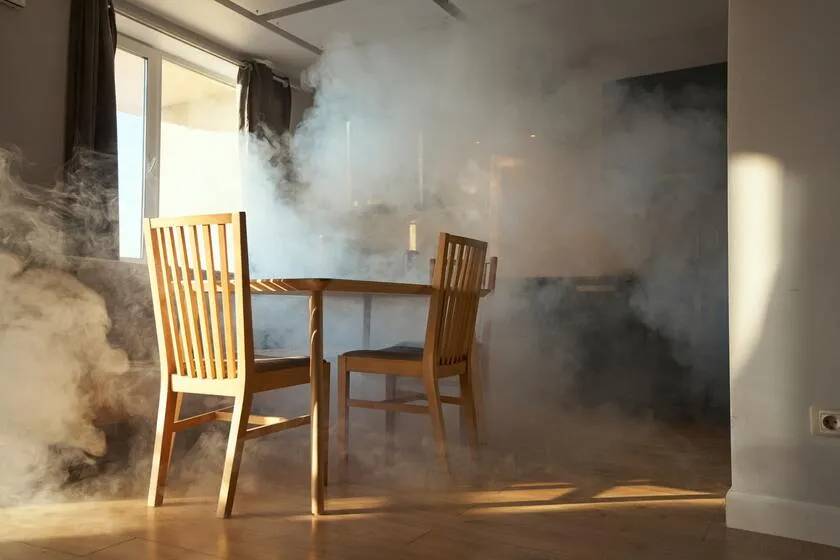
In Miami Shores, smoke damage cleanup isn’t just about what burned. It’s about what the air is doing afterward.
Coastal weather patterns — humidity, salt air, wind, and storm cycles — directly influence how smoke residue behaves inside a home. What might be a straightforward cleanup in a dry inland city can become a more complex restoration project in a neighborhood just minutes from Biscayne Bay.
From older single-family homes near NE 2nd Avenue to waterfront properties closer to North Miami, the coastal environment changes the rules of smoke damage recovery.
Here’s how.
Humidity Turns Soot Into a Corrosive Problem
Smoke residue is acidic by nature. After a fire — even a small kitchen flare-up — soot settles onto walls, ceilings, cabinetry, and mechanical systems.
In Miami Shores, humidity levels are consistently high, especially during summer and hurricane season. When soot combines with moisture in the air, it becomes sticky and corrosive.
That leads to:
- Yellowing walls days after initial cleaning
- Metal fixtures rusting quickly
- Electrical outlet corrosion
- AC coil deterioration
- Cabinet finish damage
In dry climates, soot may remain powdery and easier to remove. In Miami Shores, it bonds more aggressively to surfaces.
The longer cleanup is delayed, the deeper the corrosion sets in.
Salt Air Accelerates Material Breakdown
Miami Shores sits close enough to Biscayne Bay that salt-heavy air is a constant presence.
Salt particles combine with soot and humidity, intensifying the corrosive reaction.
This affects:
- HVAC components
- Door hinges and hardware
- Stainless steel appliances
- Light fixtures
- Window tracks
- Exterior metal elements
After smoke exposure, salt air can cause corrosion to spread faster than expected — especially if residue isn’t neutralized properly.
This is one reason coastal smoke cleanup requires thorough surface treatment, not just visible cleaning.
Wind Patterns Spread Smoke Further
Coastal winds influence how smoke moves during and after a fire.
In Miami Shores, cross-breezes from the bay can carry smoke through:
- Open floor plans
- Attic spaces
- Ventilation systems
- Closet gaps
- Crawl spaces
Even if flames are contained in one room, smoke may settle in areas far from the origin.
In older homes with less airtight construction, smoke infiltration can be more widespread than homeowners initially realize.
Storm Season Complicates Cleanup
Hurricane season in Miami Shores introduces another layer of complexity.
If a fire occurs during storm season, cleanup efforts may overlap with high outdoor humidity, heavy rainfall, or even roof vulnerabilities.
Water from firefighting efforts combined with storm moisture can create:
- Saturated insulation
- Damp framing
- Mold risk within 24–48 hours
- Warped wood flooring
In South Florida, water and smoke damage often intersect.
Proper structural drying is just as important as soot removal.
HVAC Systems in Coastal Conditions
Air conditioning systems in Miami Shores run nearly year-round. When a fire occurs, the system may continue circulating air until manually shut off.
That means smoke is drawn into:
- Evaporator coils
- Blower motors
- Duct insulation
- Return air plenums
With humidity present, soot can adhere more aggressively inside the system.
If HVAC cleaning is skipped, odor and particles continue circulating long after visible cleanup is complete.
In coastal homes near North Miami Beach and Biscayne Park, attic duct systems are particularly vulnerable due to heat and moisture exposure.
Odor Behavior in Humid Climates
One of the most frustrating aspects of smoke damage in Miami Shores is recurring odor.
Even after cleaning, homeowners may notice:
- Odor intensifying on humid days
- Smell returning when AC runs
- Musty undertones blending with smoke residue
Humidity reactivates soot particles embedded in porous materials such as drywall and insulation.
Without proper neutralization and removal of contaminated materials, odor can persist for weeks or months.
Hidden Areas Frequently Overlooked
Coastal smoke cleanup requires inspecting areas that humidity can influence over time.
Commonly missed spots include:
- Inside cabinet interiors
- Behind built-in shelving
- Inside attic insulation
- Electrical fixture housings
- AC closets
- Under flooring transitions
In Miami Shores homes with older construction, smoke may travel through framing cavities that aren’t immediately visible.
Real-World Observations from Local Properties
In several Miami Shores homes, small stovetop fires resulted in minimal visible damage — but strong odor persisted.
Inspection revealed:
- Soot inside attic insulation
- Contamination within duct systems
- Moisture retained in ceiling cavities
- Corrosion beginning on AC components
Once humidity combined with soot, odor intensified days after the fire event.
Thorough cleaning and moisture control resolved the issue — but only after hidden areas were addressed.
The Proper Coastal Cleanup Approach
Effective smoke damage cleanup in Miami Shores typically includes:
Detailed assessment of smoke travel patterns
Air filtration using negative air machines
Specialized cleaning to neutralize acidic residue
HVAC inspection and cleaning
Structural drying if water exposure occurred
Odor neutralization beyond surface masking
Because of coastal humidity, timing matters. Early response limits corrosion and odor embedding.
Long-Term Prevention After Cleanup
To protect properties after smoke restoration:
Maintain AC systems regularly
Inspect attic insulation annually
Seal duct leaks
Monitor indoor humidity levels
Use corrosion-resistant materials during repairs
Ensure proper ventilation in kitchens and laundry areas
Homes near Biscayne Bay benefit from ongoing maintenance due to salt exposure.
Why Local Coastal Experience Matters
Smoke damage cleanup in Miami Shores differs from inland restoration because:
- Humidity accelerates soot bonding
- Salt air intensifies corrosion
- Coastal winds spread smoke differently
- Storm season introduces moisture overlap
- Continuous AC use redistributes particles
Understanding how these environmental factors interact ensures more complete cleanup.
Tip Top Water and Fire Damage Restoration has worked in Miami Shores properties where delayed cleanup allowed humidity to deepen soot staining — requiring more extensive treatment than if addressed immediately.
A Practical Takeaway
Coastal weather doesn’t cause fires. But it does influence what happens next.
In Miami Shores, humidity and salt air transform smoke residue into a more aggressive contaminant.
Quick, thorough cleanup prevents:
- Corrosion
- Persistent odor
- HVAC contamination
- Structural deterioration
Handled properly, smoke damage can be resolved completely. Ignored or rushed, coastal conditions magnify the impact.
In a bayfront community like Miami Shores, environmental awareness is part of effective restoration.