
How Coastal Weather Influences Smoke Damage Cleanup in North Miami Beach
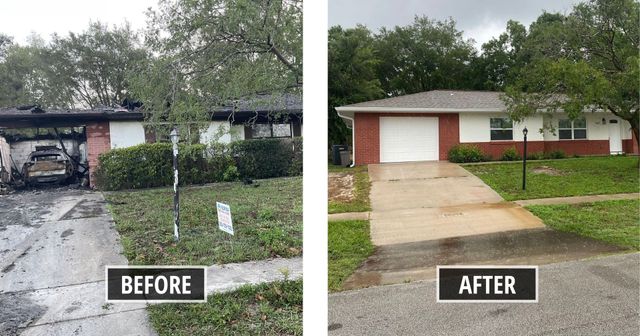
Smoke damage is a significant concern for homeowners and property managers in North Miami Beach, as well as nearby coastal communities like Sunny Isles Beach, Bal Harbour, and Aventura. While the visible flames and charred materials from a fire are immediately alarming, smoke and soot often cause widespread contamination that is less obvious but equally destructive. In coastal areas, weather conditions—including humidity, temperature, and salt-laden air—play a major role in both the severity of smoke damage and the complexity of cleanup efforts.
Understanding how coastal weather impacts smoke damage cleanup is crucial for effective fire restoration. Real-world experiences from North Miami Beach homes highlight the challenges faced during humid summer months and illustrate best practices for managing smoke contamination safely and efficiently.
What Smoke Damage Entails
Smoke damage occurs when combustion produces airborne particles that penetrate surfaces, fabrics, and even structural materials. The two main types of smoke are:
- Wet Smoke: Produced by slow, low-heat fires that leave a sticky, oily residue. Wet smoke adheres to surfaces and penetrates deeply into porous materials like upholstery, carpets, and drywall.
- Dry Smoke: Generated by fast, high-heat fires. It produces fine, powdery particles that often settle quickly but can easily become airborne again during cleanup.
In North Miami Beach, coastal weather significantly influences how smoke interacts with materials and how it must be cleaned.
How Coastal Weather Impacts Smoke Damage
Several environmental factors unique to coastal communities affect both smoke damage and restoration efforts:
1. High Humidity
North Miami Beach experiences summer humidity levels often exceeding 70%. High humidity impacts smoke damage in several ways:
- Adhesion of Smoke Particles: Moist air causes smoke particles to stick more firmly to walls, ceilings, and furniture, making them harder to remove.
- Odor Retention: Moisture in the air allows smoke odors to penetrate deeper into fabrics, upholstery, and insulation, prolonging the smell even after surface cleaning.
- Secondary Moisture Damage: Humidity slows drying of water-saturated materials from firefighting efforts, increasing the risk of mold growth if not addressed promptly.
2. Salt-Laden Air
Coastal winds carry salt from Biscayne Bay, which can exacerbate corrosion and chemical reactions when combined with soot residues:
- Metals, electrical components, and HVAC systems exposed to smoke may corrode faster in coastal environments.
- Salt accelerates staining on surfaces affected by smoke and soot, requiring specialized cleaning techniques to restore surfaces without causing further damage.
3. Temperature Fluctuations
Florida’s coastal areas often experience hot, sunny days with rapid temperature swings:
- Heat can accelerate the chemical bonding of smoke residues to surfaces, making removal more challenging.
- Rapid temperature changes can affect drying times for water-damaged areas and influence how cleaning chemicals behave on surfaces.
4. Storms and Rain
Summer storms in North Miami Beach bring heavy rainfall and strong winds that can impact fire-damaged properties:
- Rain can infiltrate partially damaged roofs or windows, adding moisture that worsens smoke residue penetration.
- Storm-driven humidity spikes complicate drying efforts and prolong the risk of mold growth on fire-damaged materials.
Common Areas Affected by Smoke in Coastal Homes
Smoke spreads quickly through a home and can impact areas that appear untouched:
- Walls and Ceilings: Porous drywall absorbs smoke, leading to discoloration and lingering odors.
- HVAC Systems: Ductwork can carry smoke particles to multiple rooms, contaminating the entire home.
- Carpets and Flooring: Fibers trap soot and odors, particularly when moisture is present from firefighting.
- Furniture and Upholstery: Porous fabrics retain smoke particles and odors, often requiring specialized cleaning.
- Attics and Crawl Spaces: Poorly ventilated spaces trap heat and smoke residues, creating long-term odor problems.
In coastal North Miami Beach homes, these areas are particularly vulnerable due to humidity and airflow patterns.
Challenges of Smoke Damage Cleanup in Coastal Areas
Professional smoke damage cleanup in coastal climates must address several complicating factors:
- Increased Odor Penetration: Humid air allows smoke odor to bind more tightly to surfaces.
- Corrosion Risk: Salt-laden air accelerates corrosion on metals, appliances, and electrical systems exposed to smoke.
- Delayed Drying: Moisture from firefighting combined with high humidity slows drying, prolonging cleanup and increasing mold risk.
- Surface Staining: Porous surfaces require careful chemical treatment to remove soot without damaging materials.
These factors make fire restoration in coastal areas more complex than in drier climates and necessitate specialized expertise.
Step-by-Step Coastal Smoke Damage Cleanup
Effective smoke damage restoration follows a multi-step approach tailored to the coastal environment:
1. Initial Assessment
- Inspect all affected areas to identify the extent of smoke, soot, and water damage.
- Evaluate materials for salvageability, noting areas at high risk of corrosion or moisture retention.
- Test air quality to determine contamination levels and identify areas needing special attention.
2. Emergency Stabilization
- Board up damaged windows and roofs to prevent water intrusion from storms.
- Seal off unaffected areas to contain smoke particles during cleanup.
- Begin water extraction and drying if firefighting has left significant moisture.
3. Containment
- Use plastic barriers and negative air pressure machines to prevent smoke and soot from spreading.
- Protect HVAC systems to prevent distribution of contaminants to clean areas.
4. Cleaning and Deodorization
- Clean soot from walls, ceilings, and surfaces using specialized chemical agents and techniques appropriate for wet or dry smoke.
- Treat fabrics, furniture, and carpets with industrial-grade cleaners to remove smoke particles and odors.
- Apply odor-neutralizing treatments such as ozone, hydroxyl generators, or thermal fogging to remove lingering smells.
5. Drying and Dehumidification
- Use industrial air movers and dehumidifiers to remove residual moisture.
- Monitor humidity closely, especially during humid summer months, to prevent mold growth.
6. HVAC and Ductwork Cleaning
- Inspect and clean all air ducts to remove smoke residues and prevent recontamination.
- Ensure HVAC systems are fully functional and free of soot before resuming operation.
7. Final Verification
- Conduct post-cleaning inspections to confirm smoke, soot, and odor have been effectively removed.
- Test air quality to ensure safe living conditions.
Preventing Future Smoke and Fire Damage
While not all fires can be prevented, homeowners can take measures to reduce the impact of smoke damage in coastal environments:
- Maintain AC systems to prevent condensation and air circulation of contaminants.
- Inspect roofing and window seals to reduce storm-related water intrusion.
- Install smoke alarms and fire suppression systems to detect and control fires early.
- Schedule regular maintenance and inspections to identify potential fire hazards.
Proactive measures help minimize smoke damage and simplify restoration if a fire occurs.
Importance of Local Expertise
North Miami Beach has unique environmental conditions that influence smoke damage and restoration strategies:
- Coastal humidity affects residue adhesion, drying times, and odor removal.
- Salt-laden air accelerates corrosion and surface staining.
- Summer storms and seasonal rainfall introduce moisture that complicates restoration.
Companies with local expertise, such as Tip Top Water and Fire Damage Restoration, understand these factors and can design a cleanup plan tailored to North Miami Beach homes, ensuring efficient and thorough restoration.
Conclusion
Smoke damage cleanup in North Miami Beach is heavily influenced by coastal weather, including high humidity, salt exposure, and summer storms. These conditions affect residue adhesion, odor penetration, drying times, and secondary damage risks such as mold and corrosion.
Effective smoke damage restoration requires professional assessment, containment, cleaning, drying, and verification, all adapted to the coastal environment. By understanding the impact of local weather and employing experienced professionals, homeowners and property managers can restore their homes safely and efficiently, protecting both property value and indoor air quality.
Coastal expertise ensures that restoration addresses both immediate damage and long-term environmental challenges, resulting in a safe, habitable home after fire and smoke incidents.