
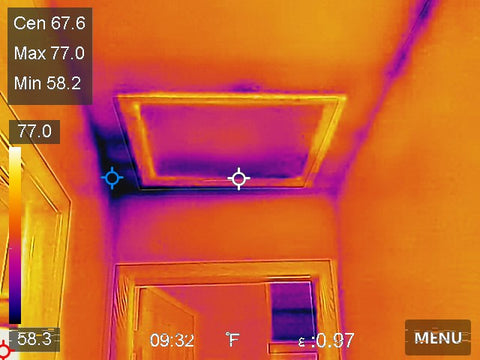
How Coastal Weather Influences Water Leak Detection in Surfside
Surfside sits directly along the Atlantic coastline. Ocean air, tropical systems, heavy seasonal rainfall, and constant humidity define the local climate. While these coastal conditions create beautiful waterfront living, they also complicate one critical home maintenance task: water leak detection.
In inland areas, leaks are often straightforward. In Surfside, they are influenced by shifting weather patterns, wind-driven rain, salt exposure, and persistent moisture pressure. Understanding how coastal weather impacts water leak detection helps homeowners respond faster — and prevent larger structural damage.
Why Water Leak Detection Is Different in Surfside
Water doesn’t behave the same way in coastal Florida as it does in drier regions.
In Surfside, homes are exposed to:
- High year-round humidity
- Sudden heavy downpours
- Hurricane-force winds
- Salt-laden air
- Elevated groundwater levels
Because moisture is constantly present in the environment, distinguishing between condensation, humidity-related dampness, and true leaks requires experienced evaluation.
Leak detection in this climate is rarely as simple as finding a dripping pipe.
Wind-Driven Rain and Exterior Intrusion
One of the biggest coastal weather influences is wind-driven rain.
During tropical storms or even strong summer thunderstorms, rain hits structures sideways. In Surfside’s oceanfront properties — and nearby Bal Harbour and Sunny Isles Beach — wind pressure forces water into tiny gaps around:
- Window frames
- Sliding glass doors
- Balcony thresholds
- Roof penetrations
- Exterior wall joints
These entry points may not leak during calm rainfall. They leak when wind pressure builds.
That makes leak detection more complex. Moisture may only appear during specific weather conditions.
Experienced inspectors often ask homeowners whether damage worsens during heavy storms. That pattern provides important clues.
Salt Air and Seal Degradation
Salt exposure accelerates deterioration of building materials.
In Surfside, salt carried by ocean breezes affects:
- Window gaskets
- Metal flashing
- Fasteners
- Roof seals
- HVAC components
As these materials corrode, small openings develop.
Unlike sudden plumbing failures, these gaps create slow, recurring intrusion that may go unnoticed for months.
Water leak detection in coastal homes often involves inspecting seal integrity — not just plumbing systems.
Salt exposure shortens the lifespan of protective materials, increasing the frequency of leaks.
High Humidity and Condensation Confusion
Surfside’s humidity creates another challenge: distinguishing between condensation and true leaks.
When warm, moist air contacts cool surfaces, condensation forms.
This commonly occurs on:
- Air conditioning ducts
- Ceiling vents
- Exterior walls
- Cold water supply lines
Homeowners may assume a leak exists when condensation is the real issue.
Conversely, actual leaks may be dismissed as humidity-related dampness.
Professional moisture detection tools help differentiate between surface condensation and active water intrusion.
Thermal imaging, for example, identifies consistent moisture patterns inside wall cavities — something condensation alone rarely causes.
Hurricane Season and Roof Vulnerabilities
Hurricane season dramatically influences water leak detection patterns in Surfside.
Strong winds lift roof shingles, damage flashing, and stress sealants. Even if a roof survives a storm without obvious damage, minor separations can allow slow water intrusion afterward.
Roof-related leaks often appear as:
- Ceiling staining
- Insulation dampness
- Attic moisture accumulation
- Warped drywall
Because storms may not cause immediate interior damage, leak detection sometimes happens weeks later when humidity activates trapped moisture.
In nearby North Miami Beach and Miami Shores, similar roof vulnerabilities appear in older homes following heavy storm seasons.
Regular post-storm inspections are essential in coastal areas.
Elevated Water Tables and Slab Moisture
Surfside’s proximity to the ocean means groundwater levels remain relatively high.
After heavy rains, slab-on-grade homes may experience upward moisture migration.
This is not a plumbing leak — but it presents similarly.
Signs include:
- Damp flooring
- Warped wood planks
- Darkening grout lines
- Musty odors near baseboards
Moisture meters detect elevated readings along slab edges.
Distinguishing slab moisture from pipe leaks requires experience and proper testing.
Without accurate detection, repairs may target the wrong source.
Plumbing Leaks Under Coastal Pressure
While environmental factors dominate, traditional plumbing leaks remain common.
However, coastal conditions influence their severity.
Corrosion caused by salt exposure affects:
- Outdoor hose bib connections
- Copper supply lines
- Metal fittings
- Water heater components
Corroded fittings weaken faster in Surfside’s environment.
Slow leaks behind walls may go undetected until mold growth or drywall staining appears.
Water leak detection in coastal homes often involves checking both environmental and plumbing factors simultaneously.
HVAC Systems and Weather Interaction
Air conditioning systems play a central role in moisture management.
When humidity spikes during storms, AC systems must work harder.
If drain lines clog or coils freeze and thaw improperly, excess water can overflow into:
- Ceilings
- Closets
- Utility rooms
- Wall cavities
In Surfside’s high-rise condos, shared HVAC infrastructure may complicate detection.
Leaks originating from upper units can travel downward through shared wall systems.
Professional inspection often includes HVAC evaluation as part of leak detection.
Why DIY Leak Detection Often Fails in Coastal Homes
Inland homeowners may rely on visible dripping or pooling water as indicators.
In Surfside, leaks often:
- Occur only during storms
- Hide behind insulation
- Mimic condensation
- Spread horizontally before appearing
DIY inspection lacks:
- Thermal imaging tools
- Moisture mapping equipment
- Experience with coastal building patterns
Surface drying does not confirm that wall cavities are dry.
Incomplete detection leads to recurring damage and potential mold growth.
Professional moisture detection provides clarity.
The Role of Thermal Imaging and Moisture Mapping
Modern water leak detection relies heavily on technology.
Thermal imaging cameras detect temperature differences that indicate hidden dampness.
Moisture meters measure saturation levels within drywall, wood, and flooring.
In coastal homes, inspectors use these tools to:
- Map the full extent of intrusion
- Identify roof or window entry points
- Distinguish slab moisture from pipe leaks
- Evaluate HVAC-related condensation
This structured approach prevents unnecessary demolition and ensures targeted repairs.
How Weather Timing Influences Detection
Timing matters in Surfside.
Leaks that appear only during storm season may remain hidden in dry months.
For accurate diagnosis, inspectors sometimes evaluate:
- Weather patterns preceding damage
- Wind direction during storms
- Duration of rainfall
- Seasonal humidity levels
Understanding how coastal weather interacts with the building envelope allows for more accurate conclusions.
Preventive Leak Monitoring in Surfside
Because coastal weather is constant, preventive monitoring is valuable.
Homeowners can reduce leak risk by:
- Inspecting window seals annually
- Checking roof flashing before hurricane season
- Monitoring indoor humidity
- Servicing HVAC systems regularly
- Installing water leak sensors near appliances
Early detection prevents mold growth and structural deterioration.
Water removal and drying costs rise significantly when detection is delayed.
Why Local Coastal Experience Matters
Water leak detection in Surfside requires understanding local environmental stressors.
Salt air, wind-driven rain, high humidity, and elevated groundwater all interact with building materials differently than inland climates.
A restoration professional familiar with Surfside, North Miami, Bal Harbour, and Sunny Isles Beach understands:
- Where wind-driven leaks typically occur
- How slab moisture behaves in coastal soil
- Which roofing materials fail fastest near the ocean
- How HVAC systems respond to humidity spikes
Tip Top Water and Fire Damage Restoration has conducted leak detection and moisture inspections throughout these coastal communities, addressing weather-driven patterns unique to waterfront living.
Local expertise speeds diagnosis and prevents repeat intrusion.
A Practical Perspective on Coastal Leak Detection
In Surfside, water leak detection is not just about plumbing. It’s about understanding how coastal weather influences structures year-round.
Wind-driven rain, salt exposure, humidity, and groundwater pressure all create pathways for moisture.
Early detection prevents:
- Structural decay
- Mold growth
- Flooring damage
- Electrical complications
- Expensive reconstruction
Coastal weather will always challenge buildings in Surfside.
Accurate, experienced water leak detection ensures those challenges remain manageable — protecting both the structure and the long-term value of the home.