
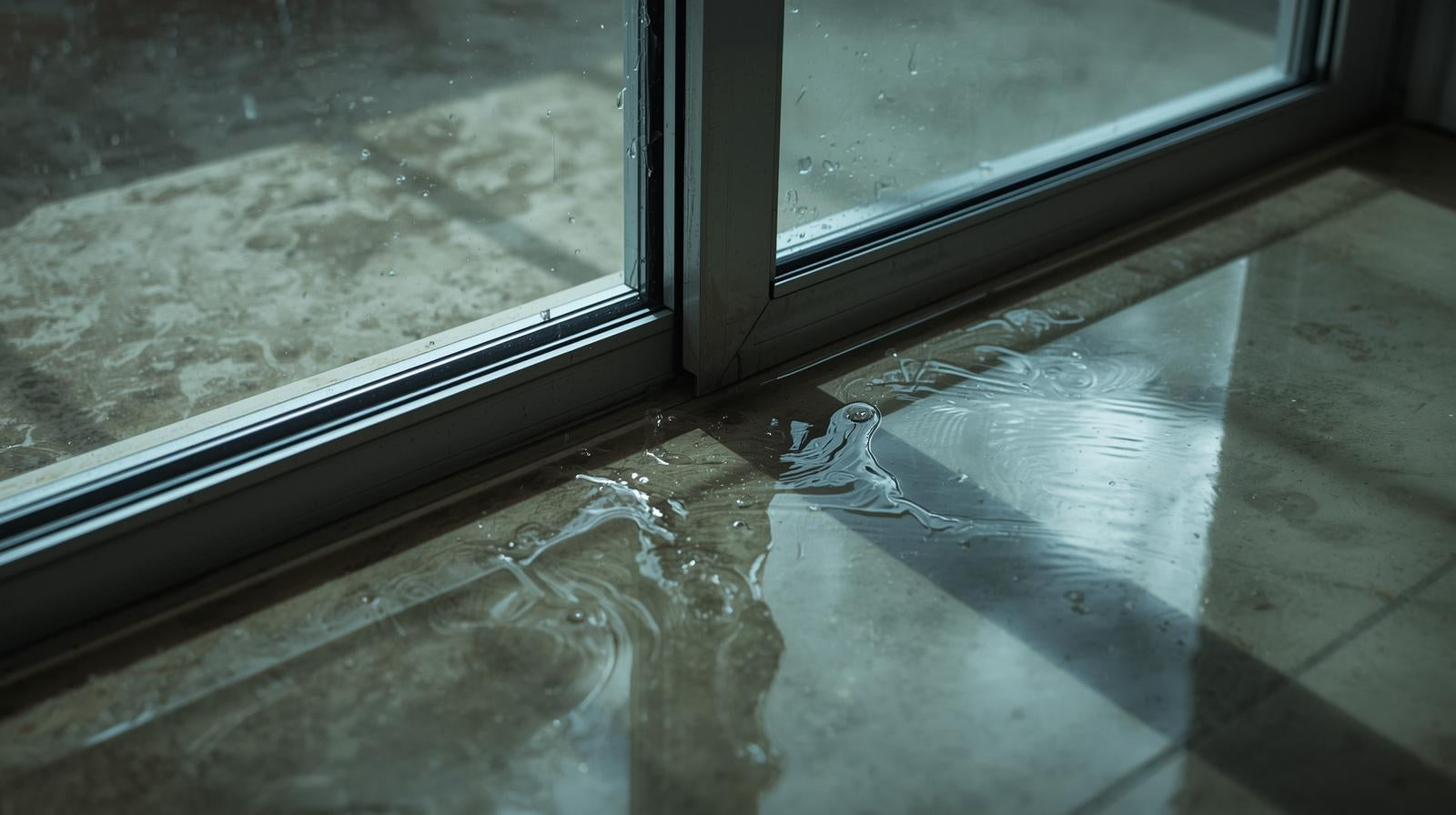
How Coastal Weather Influences Water Removal in Coastal Neighborhoods Near Biscayne Bay
Coastal neighborhoods near Biscayne Bay — including North Miami, Miami Shores, Biscayne Park, and parts of Aventura — experience weather patterns that directly affect how water damage occurs and how it must be handled.
Water removal in these communities isn’t the same as in dry inland cities. The combination of high humidity, heavy seasonal storms, salt air exposure, and elevated groundwater changes how water spreads, how long it lingers, and how aggressively it must be dried.
Understanding how coastal weather influences water removal helps property owners act quickly and avoid larger structural problems.
Why Coastal Weather Changes the Water Removal Process
In inland environments, once standing water is removed, natural evaporation often assists the drying process.
Near Biscayne Bay, the air is already saturated with moisture.
That means:
- Evaporation happens more slowly
- Materials retain dampness longer
- Humidity reintroduces moisture into surfaces
- Drying requires more controlled equipment
Coastal conditions don’t simply cause water damage — they complicate recovery.
Water removal in these neighborhoods must account for environmental moisture pressure.
Wind-Driven Rain and Sudden Water Intrusion
Storms in coastal South Florida rarely involve gentle rainfall. Wind pushes water sideways, forcing it into areas not typically exposed.
During heavy storms, water can enter through:
- Window perimeters
- Sliding glass door tracks
- Roof flashing seams
- Balcony thresholds
- Exterior wall penetrations
In neighborhoods like Surfside and North Miami Beach, wind-driven rain can quickly saturate drywall and insulation.
Because these leaks often occur during intense weather events, the volume of water may be higher than expected.
Immediate extraction reduces absorption into structural materials.
Delays allow moisture to migrate deeper into framing and subfloors.
Hurricane Season and Roof Vulnerabilities
Hurricane season places enormous stress on roof systems near Biscayne Bay.
Even minor damage to shingles or flat roof membranes allows slow but persistent leaks.
Water removal after roof intrusion often involves:
- Extracting pooled attic water
- Removing saturated insulation
- Drying ceiling cavities
- Preventing collapse of drywall
Humidity levels after storms remain high, slowing drying unless industrial dehumidification is used.
In Miami Shores and Biscayne Park, older homes with aging roof systems are particularly vulnerable.
Quick stabilization of roof openings prevents secondary water damage during subsequent rainfall.
Elevated Groundwater and Slab Moisture
Coastal neighborhoods near Biscayne Bay sit close to sea level.
After heavy rainfall, groundwater rises.
In slab-on-grade homes, this can cause upward moisture migration.
Unlike burst pipes, slab moisture often appears gradually:
- Warped flooring
- Damp carpet padding
- Musty odors near baseboards
- Discolored grout lines
Water removal in these cases involves more than surface drying.
Moisture meters help determine whether the source is groundwater or plumbing.
Controlled drying and sometimes flooring removal may be necessary to restore structural integrity.
High Humidity Slows Drying
Humidity is one of the most important coastal weather factors influencing water removal.
When outdoor humidity exceeds 70%:
- Moisture in materials evaporates more slowly
- Dehumidifiers must work harder
- Drying timelines extend
- Mold risk increases
In dry climates, air movement alone may be sufficient for minor drying.
Near Biscayne Bay, industrial dehumidification is almost always required.
Professional equipment reduces indoor humidity below outdoor levels, allowing trapped moisture to evaporate properly.
Without this step, materials may appear dry on the surface but remain damp internally.
Salt Air and Material Degradation
Salt exposure weakens building materials over time.
In coastal communities like Aventura and North Miami, salt-laden air affects:
- Metal fasteners
- Window seals
- HVAC components
- Flashing materials
Weakened seals allow water intrusion during storms.
Corroded fasteners compromise roof integrity.
Water removal efforts often reveal underlying material deterioration caused by years of salt exposure.
Addressing both the water damage and the material weakness prevents repeat intrusion.
AC Systems and Coastal Moisture
Air conditioning systems play a central role in water removal and moisture control.
However, during periods of extreme humidity:
- Condensate production increases
- Drain lines clog more easily
- Air handler pans overflow
- Ductwork develops condensation
AC-related water damage is common in coastal homes.
Water removal often includes:
- Extracting water from mechanical closets
- Inspecting drain lines
- Drying ceiling cavities
- Cleaning affected ductwork
If HVAC systems are not inspected during water removal, moisture may reappear.
Multi-Unit Buildings Near the Bay
In high-rise buildings near Biscayne Bay, water removal becomes even more complex.
Leaks from upper units can affect multiple floors.
Water may travel through:
- Plumbing chases
- Electrical conduits
- Shared wall cavities
Humidity complicates drying because concrete slabs retain moisture.
Water removal in multi-unit structures requires coordination with building management and access to affected neighboring units.
Without thorough drying, mold growth spreads between units.
Mold Risk in Coastal Environments
Coastal weather shortens the timeline between water intrusion and mold growth.
Warm temperatures combined with high humidity create ideal conditions for microbial development.
Water removal delays increase the likelihood of:
- Mold colonization
- Insulation contamination
- Structural wood decay
- Indoor air quality issues
Professional structural drying reduces moisture levels quickly enough to prevent mold establishment.
In coastal neighborhoods near Biscayne Bay, acting within the first 24 to 48 hours is critical.
The Structured Water Removal Process
Because of environmental challenges, professional water removal typically includes:
- Immediate water extraction
- Removal of saturated materials
- Placement of air movers
- Industrial dehumidification
- Daily moisture monitoring
- Verification of dryness before reconstruction
Moisture detection tools confirm that wall cavities, subfloors, and insulation reach safe levels.
In coastal climates, drying without monitoring is unreliable.
Verification prevents recurring damage.
Preventive Steps for Coastal Property Owners
Living near Biscayne Bay requires proactive planning.
Homeowners in North Miami, Miami Shores, and Biscayne Park can reduce water damage risk by:
- Inspecting roofs before hurricane season
- Sealing window perimeters
- Maintaining AC drain lines
- Monitoring indoor humidity
- Installing water leak detection devices
- Addressing minor leaks immediately
Preventive maintenance limits the scale of water removal needed after storms.
Early detection saves significant restoration costs.
Why Local Coastal Experience Matters
Water removal near Biscayne Bay demands understanding of coastal weather patterns.
A restoration professional familiar with these neighborhoods understands:
- How wind-driven rain behaves
- How groundwater levels affect slabs
- How humidity impacts drying times
- How salt exposure accelerates structural failure
Tip Top Water and Fire Damage Restoration has handled water removal projects throughout North Miami, Biscayne Park, Miami Shores, Surfside, and Aventura, applying region-specific strategies to manage coastal moisture effectively.
Local expertise ensures that drying is complete and long-term stability is restored.
A Practical Perspective on Coastal Water Removal
Coastal weather doesn’t just cause water damage — it influences how quickly damage spreads and how challenging recovery becomes.
In neighborhoods near Biscayne Bay, high humidity, storm activity, salt exposure, and elevated groundwater create constant moisture pressure on homes and buildings.
Effective water removal requires speed, proper equipment, moisture detection, and environmental awareness.
When water is extracted quickly and structures are dried thoroughly, long-term damage is prevented.
In coastal South Florida, proactive response is not optional — it’s essential for protecting both property and indoor comfort.