How Coastal Weather Influences Water Removal in North Miami
Water removal in North Miami is rarely a simple process. While many people associate water damage with sudden plumbing failures or storm flooding, the coastal climate plays an ongoing and powerful role in how water damage occurs—and how effectively it can be removed. The combination of humidity, salt air, high groundwater levels, tropical rainfall, and year-round heat significantly influences the water removal process in homes, condos, and rental properties.
Located near Biscayne Bay and the Atlantic coastline, North Miami experiences environmental conditions that make water removal more complex than in inland areas. Coastal weather does not just cause water damage; it also slows drying, increases contamination risks, and complicates restoration logistics.
Understanding these coastal influences helps property owners prepare for faster recovery and better long-term protection.
The Unique Coastal Climate of North Miami
North Miami’s weather patterns are characterized by:
- High year-round humidity
- Frequent heavy rainstorms
- Hurricane and tropical storm seasons
- Elevated groundwater levels
- Warm temperatures that accelerate microbial growth
These environmental conditions directly affect how water behaves inside a structure—and how restoration professionals approach removal and drying.
1. High Humidity Slows the Drying Process
One of the most significant coastal influences on water removal is humidity.
Why Humidity Matters
Water removal is not just about extracting visible water. It also requires evaporating hidden moisture from:
- Drywall
- Wood framing
- Insulation
- Flooring materials
- Concrete slabs
When outdoor humidity is high, indoor air cannot easily absorb additional moisture. This slows evaporation and extends drying time.
Practical Impact on Water Removal
- Dehumidifiers must work harder and longer
- Drying equipment must run continuously
- Air movement must be carefully controlled
- Indoor climate control becomes critical
In North Miami, where humidity often stays above 70% during certain months, water removal projects frequently take longer than homeowners expect.
2. Salt Air Increases Corrosion Risks
Coastal air carries microscopic salt particles that enter homes through ventilation systems, doors, and windows. When water damage occurs, salt exposure intensifies material deterioration.
Effects of Salt During Water Damage
- Accelerated corrosion of metal framing and fasteners
- Damage to HVAC components
- Electrical system vulnerability
- Faster breakdown of appliances and fixtures
If water damage involves standing water combined with salt air exposure, materials may deteriorate more rapidly than in non-coastal environments.
Water removal professionals in North Miami must assess corrosion risks as part of the restoration process.
3. Heavy Rainfall and Saturated Ground Conditions
North Miami frequently experiences intense rainfall, especially during hurricane season. Prolonged rain events create unique challenges.
Saturated Soil and Foundation Pressure
When soil becomes saturated:
- Hydrostatic pressure increases against foundations
- Water seeps through cracks in slabs and walls
- Crawl spaces retain moisture longer
This groundwater intrusion often complicates water removal efforts because water may continue entering even after initial extraction.
Slab Foundations and Moisture Retention
Many North Miami homes sit on concrete slabs. Concrete absorbs moisture, and during extended wet weather, slabs can retain water for days or weeks.
Removing surface water is only part of the process—deep drying of slab materials is often required.
4. Tropical Storms and Hurricanes
Coastal weather patterns include tropical storms that bring:
- Storm surge
- Wind-driven rain
- Roof damage
- Window and door breaches
Water intrusion during storms is rarely limited to one area. Wind-driven rain can enter through tiny gaps, soaking insulation and wall cavities.
Complex Water Categories
Storm-related water may contain:
- Debris
- Contaminants
- Sewage overflow
- Outdoor pollutants
Water removal after coastal storms often involves sanitation and contamination control, not just drying.
5. Elevated Indoor Condensation During Coastal Weather
When outdoor air is warm and humid, indoor cooling systems create condensation points.
Common Condensation Areas
- Air ducts
- Ceiling vents
- Exterior-facing walls
- Window frames
After water intrusion, these areas remain vulnerable because high humidity slows complete drying.
Condensation can re-wet materials that were previously dried, creating setbacks in restoration efforts.
6. Mold Risk Increases Rapidly in Coastal Climates
Warm temperatures and moisture create ideal conditions for mold growth.
In North Miami:
- Mold can begin forming within 24–48 hours
- High humidity sustains mold colonies
- HVAC systems can spread spores
Water removal must be aggressive and thorough to prevent mold contamination. Simply removing visible water is not enough—hidden moisture must be addressed.
7. Impact on Drying Equipment Performance
Restoration equipment behaves differently in coastal environments.
Equipment Challenges in North Miami
- Dehumidifiers must remove more moisture from already humid air
- Air movers must run longer
- Negative air pressure systems must control spore spread
- Continuous monitoring is required
Professional water removal teams often deploy additional drying units compared to similar projects in drier climates.
8. Older Homes and Coastal Construction Styles
Many homes in North Miami were built decades ago. Older construction often lacks:
- Modern vapor barriers
- Proper drainage systems
- Updated waterproofing materials
When prolonged humidity or storms hit, these homes are more vulnerable to water intrusion.
Water removal efforts may reveal hidden structural weaknesses that require repair before drying can be fully effective.
9. HVAC Systems and Coastal Moisture
Air conditioning systems are essential in North Miami, but they can complicate water removal.
AC-Related Complications
- Clogged condensate lines during humid months
- Overflowing drain pans
- Wet insulation around ducts
- Reduced drying efficiency
During restoration, HVAC systems must be evaluated to ensure they are not contributing to ongoing moisture problems.
10. Longer Restoration Timelines in Coastal Areas
Because of:
- High humidity
- Recurrent rain
- Saturated ground
- Salt exposure
Water removal projects in North Miami often take longer than homeowners anticipate.
Drying may require:
- Several days of continuous equipment operation
- Moisture mapping throughout the structure
- Follow-up inspections
Rushing the process increases the risk of mold growth and recurring damage.
Why Professional Water Removal Is Essential in North Miami
DIY drying methods are rarely sufficient in a coastal climate.
Professional water removal teams use:
- High-capacity extraction systems
- Commercial-grade dehumidifiers
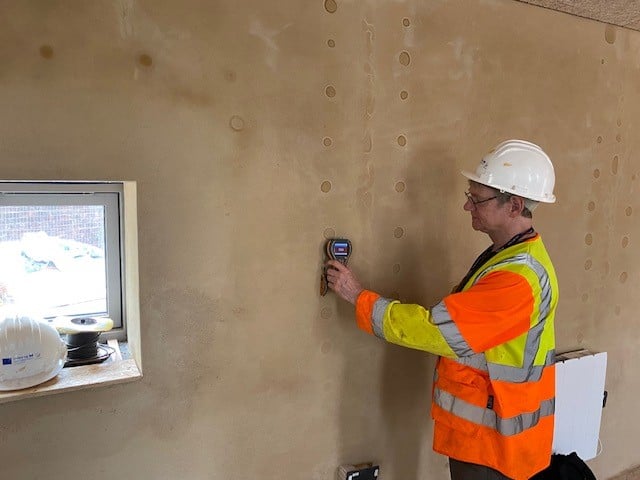
- Moisture detection technology
- Controlled drying strategies
They also understand how North Miami’s coastal weather influences material behavior and drying timeframes.
Tip Top Water and Fire Damage Restoration has experience addressing water removal challenges specific to North Miami’s climate and building types. Local knowledge allows for more effective and durable results.
Long-Term Coastal Protection Strategies
To reduce the need for repeated water removal, property owners should:
Improve Drainage
- Maintain gutters and downspouts
- Ensure proper grading around foundations
Monitor Indoor Humidity
- Keep humidity between 45–55%
- Use dehumidifiers during rainy seasons
Inspect Roofing and Windows
- Seal gaps
- Repair minor damage promptly
Maintain HVAC Systems
- Clean drain lines
- Replace filters regularly
Conduct Post-Storm Inspections
- Check for leaks
- Identify damp insulation
- Address minor moisture early
Final Thoughts
Coastal weather significantly influences water removal in North Miami. High humidity slows drying. Salt air accelerates material damage. Heavy rains saturate soil and foundations. Tropical storms introduce contamination risks. Warm temperatures accelerate mold growth.
Water removal in this environment requires specialized knowledge, extended drying strategies, and careful moisture monitoring.
For homeowners and property managers in North Miami, understanding how coastal weather impacts water damage is the first step toward faster recovery and stronger long-term protection. When humidity lingers and storms pass through, professional water removal ensures properties are dried thoroughly, restored properly, and protected against future moisture-related problems.