
Indoor Air Quality Improvement in Bayfront Homes in North Miami: Key Facts Every Property Owner Should Know
Bayfront homes in North Miami offer open water views, steady breezes, and a lifestyle that’s hard to match. But those same waterfront advantages come with environmental pressures that directly impact indoor air quality.
Humidity from Biscayne Bay, salt-laden air, frequent storms, and year-round air conditioning use all influence what’s circulating inside your home. Many property owners assume indoor air quality problems only appear when mold is visible. In reality, air quality often declines slowly and quietly over time.
Improving indoor air quality in bayfront homes is less about reacting to obvious contamination and more about understanding how coastal conditions affect buildings long-term.
Here are the key facts every North Miami waterfront property owner should know.
Fact 1: Humidity Is the Primary Driver of Air Quality Problems
In coastal North Miami, humidity rarely disappears.
Even on clear days, outdoor moisture levels remain elevated. When that air enters the home — through doors, windows, attic spaces, or ventilation systems — it increases indoor humidity.
When indoor humidity rises above 60%, several issues follow:
- Mold spores activate
- Dust mites multiply
- Condensation forms on cool surfaces
- Musty odors develop
- HVAC systems struggle to maintain balance
Managing humidity between 45% and 55% is one of the most effective indoor air quality improvements available.
Without humidity control, other improvements become temporary.
Fact 2: HVAC Systems Do More Than Cool the Air
Air conditioning systems in North Miami homes run almost continuously.
They regulate temperature, but they also remove moisture from the air.
When systems are:
- Oversized
- Poorly maintained
- Clogged
- Short-cycling
They fail to remove humidity effectively.
Short-cycling systems cool air quickly but shut off before enough moisture is extracted. The home may feel cool but remain damp.
Routine HVAC maintenance and proper system sizing are essential for maintaining healthy indoor air.
In waterfront homes near Miami Shores and Biscayne Park, HVAC evaluation is often the first step in improving air quality.
Fact 3: Air Ducts Can Circulate Hidden Contaminants
Duct systems move air throughout the entire property.
If ducts contain:
- Dust buildup
- Moisture
- Mold growth
- Salt residue
Those contaminants circulate every time the system runs.
In bayfront properties, duct condensation is common due to the temperature difference between cooled air and humid attic spaces.
Air duct cleaning and duct insulation inspection may be necessary if contamination is suspected.
Ignoring ducts allows minor issues to affect the entire home.
Fact 4: Salt Air Accelerates Material Deterioration
Salt exposure is constant near Biscayne Bay.
Over time, salt contributes to:
- Corrosion of HVAC components
- Deterioration of window seals
- Breakdown of metal fasteners
- Increased vulnerability to moisture intrusion
As seals and materials weaken, humid air enters the structure more easily.
Improving indoor air quality often involves correcting these structural vulnerabilities.
Salt may not be visible inside the home, but its effects accumulate over time.
Fact 5: Slab Foundations Influence Indoor Moisture
Many North Miami bayfront homes sit on slab foundations.
After heavy rainfall, groundwater levels rise.
Moisture may migrate upward through concrete slabs, increasing indoor humidity without visible flooding.
Signs of slab-related air quality impact include:
- Musty odors near baseboards
- Warped flooring
- Elevated humidity readings
- Damp carpet padding
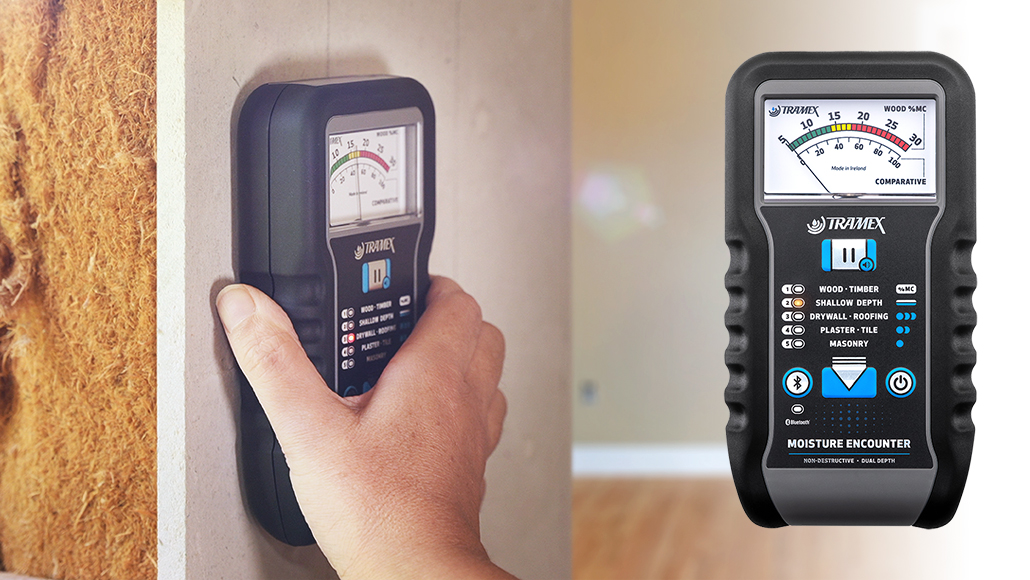
Moisture detection inspections confirm whether slab conditions are affecting indoor air.
Addressing slab moisture improves long-term air stability.
Fact 6: Mold Often Begins Behind the Scenes
Visible mold is rarely the first stage.
In bayfront homes, mold frequently develops:
- Behind drywall after minor window leaks
- Inside attic insulation
- Around AC drain lines
- Inside closets on exterior-facing walls
- In ceiling cavities after roof intrusion
By the time mold appears on the surface, it may already be established elsewhere.
Periodic mold inspections and testing provide early warning before remediation becomes extensive.
Fact 7: Ventilation Matters in Small Spaces
Bathrooms, laundry rooms, and storage closets often have limited airflow.
In humid coastal environments, stagnant air creates condensation pockets.
Improving ventilation in these areas may involve:
- Installing effective exhaust fans
- Running fans after showers
- Keeping closet doors slightly open
- Avoiding overcrowding along exterior walls
Small airflow improvements make measurable differences in moisture control.
Fact 8: High-Rise Condos Face Unique Challenges
In Aventura and North Miami Beach, high-rise waterfront condos share vertical duct systems and mechanical shafts.
Humidity or contamination in one unit can affect neighboring units.
Water intrusion from upper floors may travel through shared cavities.
Indoor air quality improvement in multi-unit buildings often requires coordination with building management.
System-wide inspections may be necessary to fully stabilize conditions.
Fact 9: Dehumidification Is Often the Missing Piece
Many waterfront homes benefit from whole-home dehumidifiers.
Unlike portable units, integrated systems maintain stable humidity levels throughout the property.
Dehumidifiers reduce:
- Mold growth risk
- Condensation
- Odors
- HVAC strain
In North Miami’s climate, dehumidification is often the most impactful long-term solution.
Fact 10: Prevention Costs Less Than Remediation
Improving indoor air quality is far less expensive than mold remediation or structural repair.
Preventive strategies include:
- Annual HVAC servicing
- Regular moisture inspections
- Monitoring indoor humidity
- Sealing windows and doors
- Inspecting roofs before hurricane season
- Maintaining AC drain lines
Proactive maintenance prevents larger restoration projects later.
When to Schedule an Indoor Air Quality Evaluation
Property owners in North Miami should consider evaluation if they notice:
- Persistent musty odors
- High humidity readings
- Frequent allergy-like symptoms indoors
- Visible condensation
- Ceiling staining after storms
- Increased dust accumulation
Early inspection identifies small issues before they expand.
Testing may include air sampling, moisture detection, and HVAC assessment.
Why Local Coastal Experience Matters
Indoor air quality improvement in bayfront homes requires understanding:
- Coastal humidity behavior
- Wind-driven rain intrusion
- Salt corrosion patterns
- Slab moisture migration
- High-rise ventilation systems
A restoration professional familiar with North Miami, Miami Shores, Biscayne Park, Aventura, and Surfside understands how these environmental factors interact.
Tip Top Water and Fire Damage Restoration has addressed indoor air quality concerns throughout these waterfront communities, applying moisture control and ventilation strategies tailored to South Florida’s coastal conditions.
Local expertise ensures that improvements are durable — not temporary.
A Practical Perspective
Indoor air quality in bayfront North Miami homes is shaped by climate, construction, and maintenance habits.
Key facts to remember:
- Humidity control is essential.
- HVAC systems must be properly maintained.
- Duct systems require periodic inspection.
- Salt air weakens structural seals.
- Slab moisture influences indoor conditions.
- Early inspections prevent major remediation.
Coastal living will always involve moisture exposure.
But with consistent maintenance, proper ventilation, and humidity management, indoor air quality can remain stable and healthy year-round.
In waterfront communities near Biscayne Bay, awareness and proactive care are the most effective tools for protecting both property value and long-term indoor comfort.