Indoor Air Quality Improvement in Biscayne Park After Storm Surge: What to Watch For
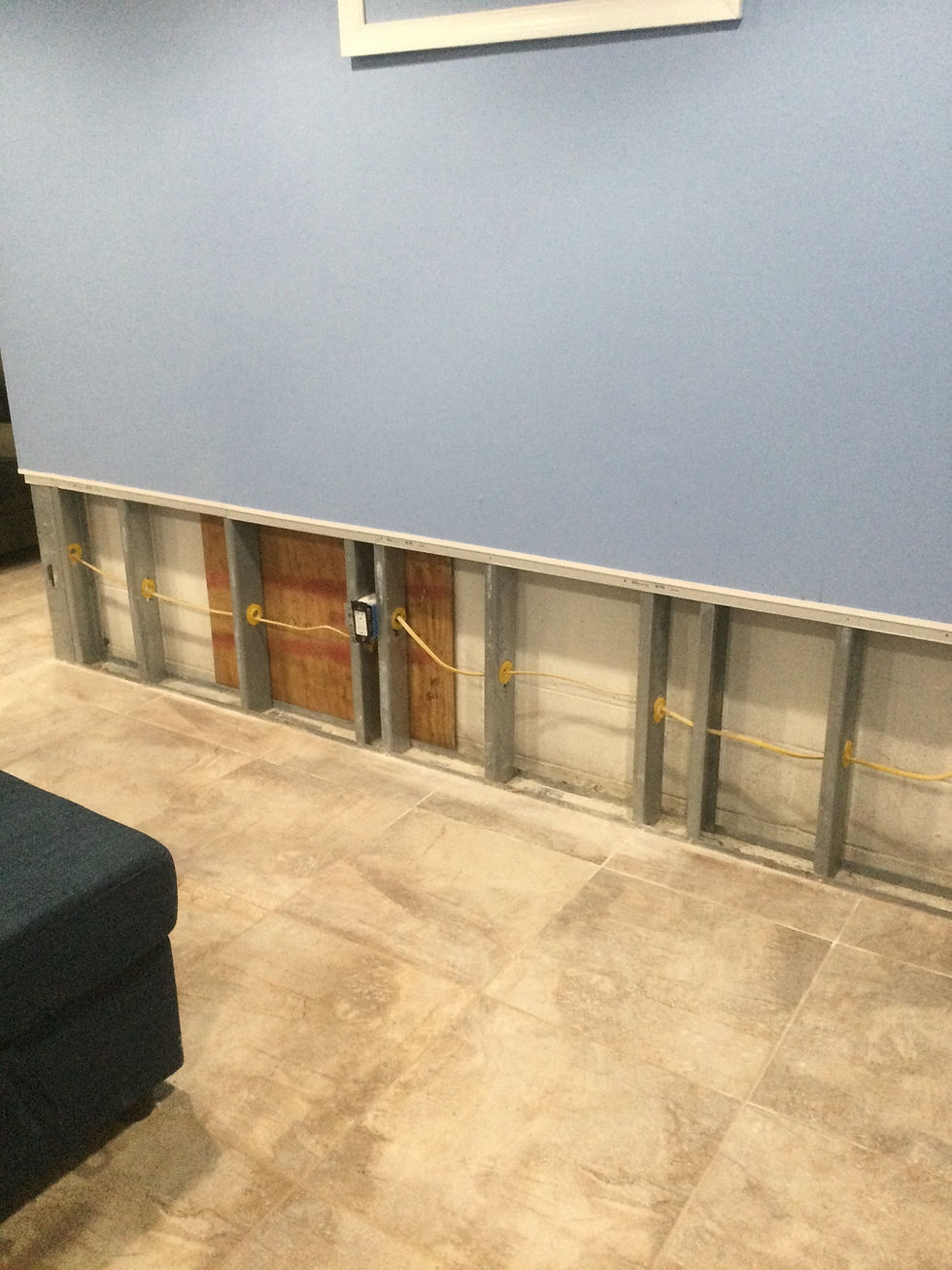
Storm surge can affect homes in Biscayne Park more than many property owners expect. Even when flooding appears minor, moisture often spreads into walls, insulation, flooring, and ventilation systems. After the visible water is removed, indoor air quality can still be affected for weeks if hidden moisture, debris, or contaminants remain in the structure.
How Storm Surge Affects Indoor Air Quality
Storm surge introduces moisture, debris, and sometimes contaminants into a home. Even shallow water can soak porous materials such as drywall, carpet, and insulation. As these materials dry slowly in humid coastal conditions, they may release odors, particles, and airborne contaminants that affect indoor air.
Indoor air quality may decline due to:
- Damp building materials
- Mold growth in hidden areas
- Dust and debris left by floodwater
- Moisture trapped in HVAC systems
- Persistent humidity indoors
These conditions can develop even after standing water has been removed.
Why Biscayne Park Homes Are Especially Vulnerable
Biscayne Park and nearby communities such as Miami Shores and North Miami face environmental conditions that make indoor air quality issues more likely after storm surge.
High humidity year-round
Moist air slows drying and allows damp materials to remain wet longer.
Warm temperatures
Heat accelerates microbial growth in damp environments.
Limited natural airflow in some homes
Modern construction and closed windows can trap humidity and odors indoors.
Frequent air conditioning use
HVAC systems may circulate airborne particles if not inspected after flooding.
These factors make thorough drying and ventilation essential after any storm-related water intrusion.
Early Signs Indoor Air Quality Needs Attention
After storm surge, property owners should watch for warning signs that indoor air quality may be affected.
Common indicators include:
- Musty or damp odors
- Rooms feeling humid even with AC running
- Dust or residue settling on surfaces
- Odors coming from vents
- Stale or heavy indoor air
These signs often indicate moisture or contamination that should be investigated.
Hidden Sources of Air Quality Problems
Many indoor air quality issues originate in areas that are not visible.
Common hidden sources include:
- Damp insulation inside walls
- Wet subfloors beneath tile or wood flooring
- Moist attic insulation
- Condensation or debris inside ducts
- Water trapped beneath cabinets or baseboards
In coastal climates, these areas may remain damp for extended periods if not properly dried.
Why Quick Drying Is Essential
Drying is one of the most important steps in restoring indoor air quality after storm surge. When moisture remains in building materials, it creates conditions where mold and odors develop.
Delays in drying can lead to:
- Persistent odors
- Mold growth
- Structural deterioration
- Increased airborne particles
Professional drying equipment is often necessary to remove moisture from materials that cannot be dried effectively with household fans alone.
Companies such as Tip Top Water and Fire Damage Restoration often use moisture detection tools to ensure that hidden damp areas are identified and dried thoroughly.
How Indoor Air Quality Is Restored After Storm Surge
Improving indoor air quality involves several steps designed to remove moisture and contaminants.
Typical steps include:
1. Removing remaining moisture
Air movers and dehumidifiers help dry structural materials and reduce humidity.
2. Cleaning affected surfaces
Cleaning helps remove debris and contaminants left by floodwater.
3. Inspecting HVAC systems
Ductwork and air handlers are checked to prevent circulating odors or particles.
4. Removing damaged materials if necessary
Severely saturated insulation or drywall may need replacement.
5. Monitoring humidity levels
Maintaining stable humidity helps prevent recurring problems.
These steps help restore cleaner air and reduce the risk of mold growth.
The Role of HVAC Systems in Air Quality After Flooding
Air conditioning systems play a major role in indoor air quality. If moisture or debris enters ducts or air handlers, contaminants can circulate throughout the home.
Potential concerns include:
- Mold developing inside duct insulation
- Dust and residue accumulating in vents
- Reduced airflow efficiency
- Odors circulating when the system runs
Inspection and cleaning of HVAC systems are often necessary after storm surge to restore proper airflow and air quality.
Mold Risk After Storm Surge
Mold is one of the most common secondary problems following flooding. Warm temperatures and high humidity create ideal conditions for mold growth when materials remain damp.
Mold risk increases when:
- Drying is delayed
- Humidity remains high
- Moisture remains trapped in insulation or drywall
- Ventilation is limited
Early drying and moisture control significantly reduce the likelihood of mold problems.
Lessons Learned from Local Homes
Real situations from homes in Biscayne Park reveal several consistent patterns.
Moisture often spreads farther than expected
Water may travel behind walls or beneath flooring even when flooding appears minor.
Humidity prolongs odors
Homes with higher humidity levels experienced longer-lasting musty smells.
HVAC systems often require inspection
Odors frequently returned when ductwork was not checked.
Early action reduces restoration costs
Homes dried quickly usually required less extensive repairs.
These observations highlight the importance of prompt drying and inspection.
Practical Steps to Protect Indoor Air Quality After Storm Surge
Property owners can take steps to improve indoor air quality and reduce future problems.
Helpful practices include:
- Running dehumidifiers until humidity stabilizes
- Replacing HVAC filters after flooding
- Keeping airflow consistent throughout the home
- Inspecting attics and closets for dampness
- Addressing leaks and moisture issues promptly
Routine maintenance helps prevent lingering moisture and odors.
Why Local Experience Matters
Indoor air quality improvement in coastal South Florida requires understanding how humidity, storms, and building materials interact. Homes in Biscayne Park and nearby communities experience environmental conditions that differ significantly from inland areas.
Professionals familiar with local conditions understand:
- How humidity affects drying times
- Where moisture commonly accumulates
- Which materials are most vulnerable
- How ventilation systems perform in humid climates
This knowledge helps ensure that air quality improvements are effective and long-lasting.
A Practical Next Step for Property Owners
Indoor air quality problems often develop gradually after storm surge, even when surfaces appear dry. If you notice persistent odors, humidity changes, or reduced air freshness, having the property inspected can help identify hidden moisture before it leads to larger problems.
Working with experienced restoration professionals such as Tip Top Water and Fire Damage Restoration helps ensure that drying, cleaning, and ventilation are handled properly. With prompt action and routine maintenance, homeowners in Biscayne Park can restore clean, comfortable indoor air and protect their homes for the long term.