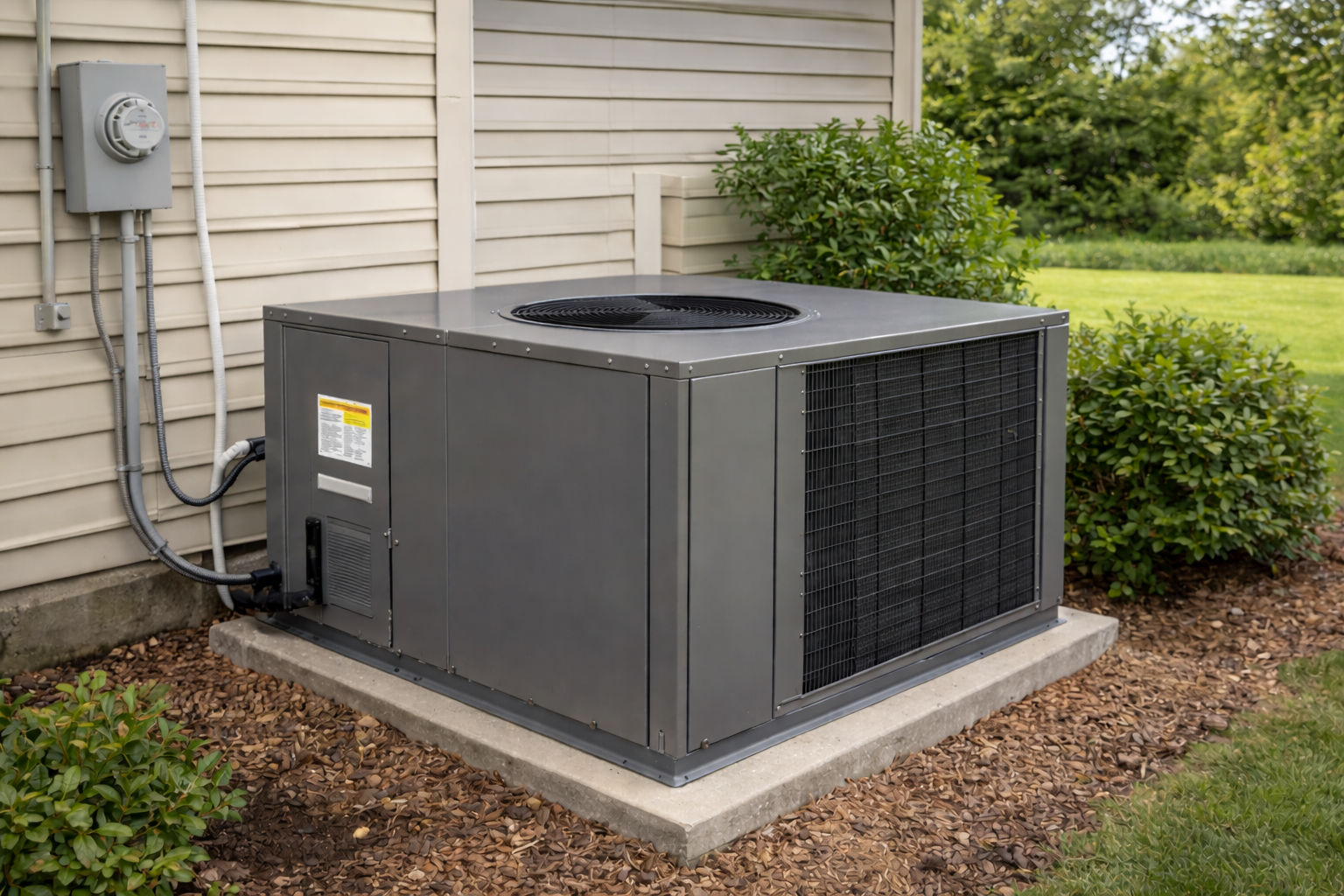
Indoor Air Quality Improvement in North Miami: A Practical Home Maintenance Guide
Indoor air quality is an important part of maintaining a comfortable and well-functioning home, especially in North Miami. With warm temperatures, high humidity, and frequent use of air conditioning, indoor environments can gradually accumulate moisture, dust, and airborne particles. Over time, these conditions can affect comfort, increase odors, and contribute to long-term maintenance issues.
Understanding how indoor air quality problems develop—and how to improve them through practical home maintenance—helps property owners protect their homes and maintain a healthier indoor environment.
What Indoor Air Quality Means for Your Home
Indoor air quality refers to the condition of the air inside a building, including humidity levels, airflow, and the presence of airborne particles. When air quality is good, air feels fresh, humidity is balanced, and airflow is consistent. When problems develop, the effects may be subtle at first but can become more noticeable over time.
Indoor air quality is influenced by several factors:
- Humidity levels
- Ventilation and airflow
- Condition of HVAC systems
- Dust and debris in ductwork
- Moisture in walls, ceilings, or flooring
- Mold or mildew in damp areas
In coastal areas like North Miami, moisture control is often the most important factor.
Why Indoor Air Quality Issues Are Common in North Miami
Homes in North Miami and nearby communities such as Miami Shores, Biscayne Park, and Aventura face environmental conditions that make indoor air quality challenges more likely.
High humidity throughout the year
Moist air slows drying and allows condensation to develop on ducts, pipes, and building materials.
Frequent air conditioning use
AC systems run regularly, circulating air and any airborne particles throughout the home.
Storms and heavy rainfall
Moisture intrusion from roof leaks or window seals can increase indoor humidity and create hidden damp areas.
Tightly sealed buildings
Modern homes and condominiums often have limited natural airflow, which can trap humidity and odors indoors.
Because of these conditions, indoor air quality should be considered part of regular property maintenance.
Early Signs Indoor Air Quality Needs Improvement
Indoor air quality problems often develop gradually, and early warning signs are sometimes overlooked.
Property owners may notice:
- Musty or stale odors
- Rooms feeling humid even with AC running
- Dust accumulating quickly on furniture
- Uneven airflow from vents
- Condensation on windows or vents
- Persistent odors in closets or storage areas
These signs often indicate excess moisture, ventilation issues, or HVAC maintenance needs.
Hidden Sources That Affect Indoor Air Quality
Some of the most significant indoor air quality problems originate in areas that are not visible during everyday use.
Common hidden sources include:
- Mold or moisture inside air ducts
- Damp attic insulation
- Condensation in wall cavities
- Dirty evaporator coils in HVAC systems
- Moisture trapped beneath flooring or carpeting
In humid environments, these areas may remain damp longer, allowing odors or mold to develop.
Why Quick Fixes Often Don’t Work
Homeowners sometimes try to improve indoor air quality using air fresheners, portable filters, or surface cleaning. While these steps may reduce odors temporarily, they usually do not address the underlying cause.
Quick fixes often fail because:
- Moisture sources remain untreated
- HVAC systems are not inspected
- Hidden dust or mold inside ducts continues circulating
- Humidity levels remain elevated
Improving indoor air quality requires addressing moisture, airflow, and ventilation together.
Professional Indoor Air Quality Inspection
A professional evaluation helps identify the factors affecting indoor air quality and determine the most effective improvements.
A thorough inspection may include:
- Measuring indoor humidity levels
- Inspecting HVAC systems and ductwork
- Checking attics and insulation
- Identifying hidden moisture
- Evaluating ventilation and airflow
Professionals familiar with local conditions understand how humidity and airflow affect homes in coastal environments. Companies such as Tip Top Water and Fire Damage Restoration often assess indoor air quality as part of a broader moisture control and maintenance strategy.
Steps Involved in Improving Indoor Air Quality
Once the causes of poor air quality are identified, improvements typically involve several steps.
1. Controlling humidity
Ensuring the air conditioning system is functioning properly and addressing any moisture problems.
2. Cleaning HVAC components
Dust and debris buildup on coils or inside ducts can reduce airflow and circulate particles.
3. Removing moisture-damaged materials
Damp insulation, drywall, or carpeting may need replacement if contamination has occurred.
4. Improving ventilation
Balanced airflow helps remove stale air and maintain consistent humidity levels.
5. Drying affected areas thoroughly
Professional drying equipment may be used when moisture has accumulated.
These steps help restore cleaner, fresher indoor air and prevent recurring issues.
The Role of Air Ducts in Indoor Air Quality
Air ducts are a major part of the indoor air system because they distribute cooled air throughout the home. If ducts contain dust, moisture, or debris, these contaminants can circulate repeatedly.
Potential duct-related concerns include:
- Dust buildup
- Condensation inside ducts
- Mold in duct insulation
- Reduced airflow due to debris
Routine inspection and cleaning, when necessary, help maintain efficient airflow and reduce airborne particles.
How Water Damage Affects Indoor Air Quality
Indoor air quality often declines after water intrusion, even when the affected area appears dry.
Common situations include:
- Roof leaks after storms
- Plumbing leaks inside walls
- AC condensate line clogs
- Minor flooding or standing water
Moisture trapped in materials can allow mold growth and odors to develop, which then affect indoor air.
Thorough drying and restoration are essential to prevent these problems.
Practical Maintenance Tips for Property Owners
Maintaining good indoor air quality does not always require major repairs. Simple preventive steps can make a significant difference.
Helpful practices include:
- Replacing HVAC filters regularly
- Scheduling annual AC maintenance
- Monitoring indoor humidity levels
- Keeping vents clean and unobstructed
- Inspecting attics and closets periodically
- Addressing leaks promptly
Routine maintenance often prevents small problems from becoming serious concerns.
Lessons Learned from Local Homes
Real situations from homes in North Miami show consistent patterns.
Humidity is often underestimated
Even without visible leaks, high humidity can affect indoor air.
AC maintenance makes a major difference
Systems that are cleaned and serviced regularly tend to maintain better airflow and humidity control.
Hidden moisture is the biggest concern
Walls, insulation, and ductwork often hold moisture longer than expected.
Early action reduces repair costs
Addressing small moisture problems early prevents larger restoration work later.
These observations highlight the importance of routine inspection and preventive maintenance.
Why Local Experience Matters
Indoor air quality improvement in coastal South Florida requires an understanding of how humidity, temperature, and building materials interact. Homes in North Miami and nearby communities face environmental conditions that differ significantly from inland regions.
Professionals familiar with local conditions understand:
- How coastal humidity affects drying and airflow
- Where moisture commonly accumulates in local homes
- Which ventilation strategies work best
- How HVAC systems perform in humid climates
This experience helps ensure that air quality improvements are effective and long-lasting.
A Practical Next Step for Property Owners
Indoor air quality problems often develop gradually, but they can be resolved effectively when addressed early. If you notice persistent odors, humidity changes, or reduced airflow, scheduling an inspection can help identify the cause before conditions worsen.
Working with experienced restoration professionals such as Tip Top Water and Fire Damage Restoration helps ensure that moisture sources, ventilation issues, and HVAC concerns are properly addressed. With regular maintenance and timely repairs, property owners in North Miami and nearby coastal communities can maintain cleaner, healthier indoor air year-round.