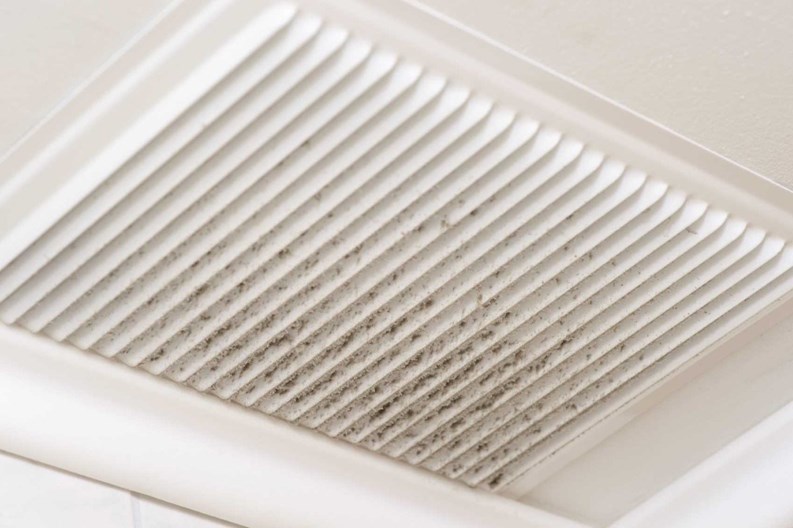
Indoor Air Quality Improvement in Sunny Isles Beach: A Practical Home Maintenance Guide
Indoor air quality plays a major role in the comfort and long-term condition of homes in Sunny Isles Beach. Because properties in this coastal community rely heavily on air conditioning and remain closed much of the year, the air inside a home can sometimes become more humid or contaminated than the air outside. Moisture, dust, mold spores, and poor ventilation can all contribute to indoor air quality problems that develop gradually over time.
Understanding how indoor air quality is affected—and how to improve it through practical home maintenance—helps property owners protect both their living environment and their investment.
What Indoor Air Quality Really Means
Indoor air quality refers to the condition of the air inside a home, including humidity levels, airborne particles, and ventilation effectiveness. When air circulation and moisture control are working properly, indoor air feels fresh and comfortable. When they are not, odors, humidity, and airborne particles begin to build up.
Common contributors to poor indoor air quality include:
- Excess humidity
- Mold or mildew growth
- Dirty air ducts
- Dust and debris buildup
- Moisture trapped in walls or insulation
- Poor ventilation
In humid coastal environments, controlling moisture is often the most important factor in maintaining healthy indoor air.
Why Indoor Air Quality Issues Are Common in Sunny Isles Beach
Several local conditions make indoor air quality problems more likely in Sunny Isles Beach and nearby coastal areas like Bal Harbour, Aventura, and North Miami Beach.
High humidity year-round
Moist air makes it harder for buildings to dry naturally, especially in enclosed spaces.
Constant air conditioning use
HVAC systems circulate air continuously, and any contamination in ducts or filters can spread throughout the home.
Salt air exposure
Coastal air can affect building materials, insulation, and HVAC components over time.
Storms and heavy rainfall
Moisture intrusion after storms can increase indoor humidity and encourage mold growth.
Tightly sealed buildings
Modern construction often reduces airflow, which can trap moisture and pollutants indoors.
These factors mean indoor air quality should be monitored as part of regular home maintenance.
Common Signs of Indoor Air Quality Problems
Indoor air quality issues often develop gradually. Property owners may notice:
- Musty or stale odors
- Excess dust around vents
- Rooms that feel humid even with AC running
- Condensation on windows or vents
- Visible mold near air vents or ceilings
- Allergy-like irritation indoors
These signs often indicate moisture buildup or ventilation problems that should be investigated.
Hidden Sources That Affect Indoor Air Quality
Some of the most significant indoor air quality problems originate in areas that are rarely inspected.
Common hidden sources include:
- Mold growth inside ductwork
- Damp insulation in attics
- Condensation in wall cavities
- Dirty evaporator coils in HVAC systems
- Moisture beneath flooring or carpeting
In coastal homes, humidity can migrate into closets, storage areas, and crawl spaces where airflow is limited.
Why DIY Solutions Often Provide Only Temporary Relief
Homeowners sometimes try to improve indoor air quality using air fresheners, portable filters, or surface cleaning. While these steps may reduce odors temporarily, they often do not address underlying moisture or ventilation issues.
DIY solutions may fall short because:
- Hidden moisture remains untreated
- HVAC systems are not inspected
- Humidity levels are not properly measured
- Mold or dust inside ducts continues circulating
Improving indoor air quality typically requires identifying and correcting the root cause rather than treating symptoms.
Professional Inspection and Air Quality Assessment
A professional evaluation helps identify the factors affecting indoor air quality and determine the most effective improvements.
A thorough inspection may include:
- Measuring indoor humidity levels
- Inspecting HVAC systems and ductwork
- Checking for hidden moisture
- Evaluating airflow and ventilation
- Inspecting attics and insulation
Professionals familiar with coastal environments understand how humidity and ventilation affect homes in Sunny Isles Beach. Companies such as Tip Top Water and Fire Damage Restoration often evaluate both moisture control and airflow when addressing indoor air quality concerns.
Steps Involved in Improving Indoor Air Quality
Improving indoor air quality usually involves a combination of cleaning, drying, and ventilation adjustments.
Typical steps include:
1. Reducing humidity
Ensuring the AC system is functioning properly and correcting any moisture problems.
2. Cleaning HVAC components
Dust and debris buildup on coils or inside ducts can reduce airflow and circulate particles.
3. Removing moisture-damaged materials
Damp insulation, drywall, or carpeting may need replacement if contamination has occurred.
4. Improving airflow
Balanced ventilation helps remove stale air and maintain consistent humidity levels.
5. Drying affected areas thoroughly
Professional drying equipment may be used when moisture has accumulated.
These steps help restore healthier indoor conditions.
The Link Between Water Damage and Indoor Air Quality
Water intrusion often leads to indoor air quality problems if drying is incomplete.
Common situations include:
- Roof leaks after storms
- Plumbing leaks inside walls
- AC condensate line clogs
- Minor flooding or standing water
Moisture trapped in materials can allow mold to develop and odors to spread through the home. Thorough drying is essential to prevent long-term air quality issues.
HVAC Systems and Air Ducts: A Major Factor
HVAC systems play a central role in indoor air quality because they circulate air throughout the home.
Problems that affect air quality may include:
- Dust buildup in ducts
- Mold inside duct insulation
- Condensation on ducts
- Dirty air filters reducing airflow
Routine inspection and maintenance of HVAC systems help prevent these issues, especially in humid coastal environments.
Practical Maintenance Steps to Protect Indoor Air Quality
Property owners can take several practical steps to maintain cleaner indoor air.
Helpful habits include:
- Replacing HVAC filters regularly
- Scheduling annual AC maintenance
- Monitoring indoor humidity levels
- Keeping vents clean and unobstructed
- Inspecting attics and closets for moisture
- Addressing leaks promptly
Regular maintenance often prevents small problems from becoming serious concerns.
Why Local Experience Matters
Indoor air quality challenges in coastal South Florida differ from those in drier climates. Homes in Sunny Isles Beach, Surfside, and Miami Shores face constant exposure to humidity and salt air that influence how moisture behaves indoors.
Professionals familiar with local conditions understand:
- How humidity affects airflow and drying
- Where moisture commonly accumulates in coastal homes
- Which ventilation strategies work best
- How HVAC systems perform in humid climates
This experience helps ensure that air quality improvements are effective and long-lasting.
A Practical Next Step for Property Owners
Indoor air quality problems often develop gradually, but they can be resolved effectively when addressed early. If you notice persistent odors, humidity changes, or signs of mold, scheduling an inspection can help identify the cause before conditions worsen.
Working with experienced restoration professionals such as Tip Top Water and Fire Damage Restoration helps ensure that moisture sources, ventilation issues, and HVAC concerns are properly addressed. With regular maintenance and timely repairs, property owners in Sunny Isles Beach and nearby coastal communities can maintain healthier, more comfortable indoor environments year-round.