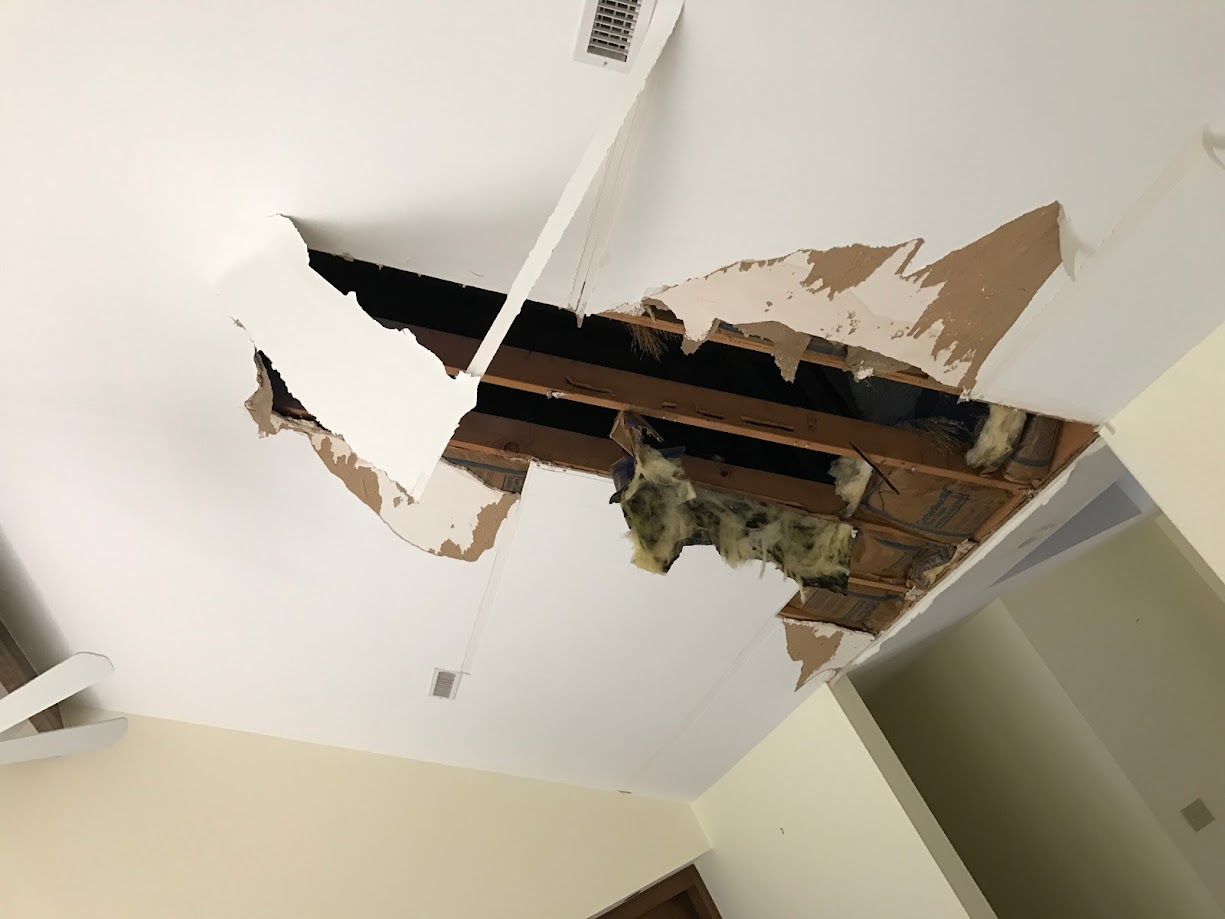
Indoor Air Quality Improvement in Surfside After Roof Leaks: What to Watch For
Roof leaks are one of the most common causes of indoor air quality problems in coastal communities like Surfside. Even a small leak can allow moisture to enter attic spaces, insulation, drywall, and ductwork. Once materials become damp, indoor air quality can begin to decline, sometimes without obvious warning signs.
How Roof Leaks Affect Indoor Air Quality
When water enters through a roof, the damage is rarely limited to one spot. Moisture often spreads through insulation, framing, and ceilings before it becomes visible inside living areas. As these materials remain damp, they can release odors, support mold growth, and increase humidity levels throughout the home.
Indoor air quality problems after roof leaks commonly involve:
- Mold or mildew growth
- Damp insulation releasing odors
- Dust and particles circulating through HVAC systems
- Increased humidity indoors
- Contaminants trapped in porous materials
Even after a leak stops, moisture trapped in building materials can continue affecting indoor air if not properly dried.
Why Roof Leaks Are Especially Problematic in Surfside
Surfside’s coastal climate creates conditions where moisture lingers longer than in many other regions.
Several local factors play a role:
High humidity year-round
Moist air slows the drying process, allowing damp materials to remain wet longer.
Heavy rains and storms
Strong storms can drive water under shingles, flashing, and roof penetrations.
Salt air exposure
Salt accelerates wear on roofing materials and metal components, increasing the likelihood of small leaks.
Warm temperatures
Warm conditions allow mold and bacteria to develop faster in damp materials.
Nearby communities like Bal Harbour, Miami Shores, and North Miami Beach experience similar environmental conditions, making moisture control a key part of home maintenance.
Early Signs to Watch For After a Roof Leak
Indoor air quality issues often develop gradually after a leak, and early signs may be subtle.
Property owners should watch for:
- Musty or damp odors indoors
- Staining or discoloration on ceilings
- Increased indoor humidity
- Rooms feeling damp or stuffy
- Odors when the air conditioning system runs
- Allergy-like irritation indoors
These signs often indicate that moisture remains trapped somewhere in the home.
Hidden Areas Where Problems Often Develop
Some of the most significant indoor air quality issues begin in areas that are rarely inspected.
Common hidden locations include:
- Attic insulation that has absorbed water
- Moisture trapped behind drywall
- Ductwork exposed to humid attic air
- Ceiling cavities above living spaces
- Closets or storage rooms with limited airflow
Because these areas are not regularly visible, problems may continue unnoticed for weeks if not inspected.
Why Surface Repairs Are Not Enough
After a roof leak, it is common for homeowners to repaint stained ceilings or patch visible damage. While this may improve appearance, it does not always address hidden moisture.
Surface repairs alone may fail because:
- Damp insulation remains in place
- Moisture inside framing or drywall is not removed
- Mold may continue developing behind surfaces
- Humidity levels remain elevated
Indoor air quality improves only when the moisture source and all affected materials are properly dried.
Inspection and Assessment After Roof Leaks
A thorough inspection helps determine how far moisture has spread and what steps are needed to restore air quality.
A typical assessment may include:
- Checking attic insulation and roof decking
- Measuring indoor humidity levels
- Inspecting ceilings and wall cavities
- Examining HVAC systems and ductwork
- Using moisture detection tools to locate hidden damp areas
Professionals familiar with coastal homes understand how humidity and airflow affect drying. Companies such as Tip Top Water and Fire Damage Restoration often evaluate both moisture levels and ventilation to ensure indoor air quality improves after repairs.
Steps Involved in Improving Indoor Air Quality
Once moisture is located and controlled, improving indoor air quality usually involves several steps.
1. Drying affected areas thoroughly
Air movers and dehumidifiers remove moisture from structural materials.
2. Removing damaged insulation or materials if necessary
Severely saturated materials may need replacement.
3. Cleaning surfaces and affected areas
This helps remove contaminants and prevent odors.
4. Inspecting and cleaning HVAC components
Ductwork and air handlers may need attention if moisture or dust has accumulated.
5. Restoring ventilation and airflow
Proper airflow helps maintain consistent humidity levels.
These steps help restore normal indoor conditions and prevent recurring issues.
The Role of Attics and Insulation in Air Quality
Attics play a major role in indoor air quality, especially after roof leaks. Damp insulation can hold moisture for long periods and release odors into living spaces below.
Common attic-related concerns include:
- Wet insulation retaining moisture
- Mold forming on roof decking
- Poor ventilation slowing drying
- Air leaks allowing attic air to enter the home
Inspecting attic spaces after any roof leak is essential to preventing long-term air quality problems.
HVAC Systems and Indoor Air Quality
HVAC systems can spread contaminants throughout a home if moisture enters ductwork or air handlers.
Potential issues include:
- Mold growth inside ducts
- Dust and debris buildup in damp environments
- Odors circulating through vents
- Reduced airflow efficiency
Routine inspection and maintenance of HVAC systems are especially important in coastal environments like Surfside and Aventura, where humidity levels remain high for much of the year.
Practical Steps to Prevent Future Problems
Property owners can take several steps to reduce the risk of indoor air quality issues after roof leaks.
Helpful practices include:
- Inspecting roofs regularly, especially after storms
- Addressing leaks immediately, even small ones
- Monitoring indoor humidity levels
- Ensuring attic ventilation is functioning properly
- Scheduling routine HVAC inspections
- Checking ceilings and closets periodically for signs of moisture
Preventive maintenance often identifies problems before they affect indoor air quality.
Why Local Experience Matters
Indoor air quality improvement in coastal South Florida requires an understanding of how humidity, ventilation, and building materials interact. Homes in Surfside and nearby coastal communities face constant exposure to moisture and salt air that influence drying and restoration methods.
Professionals familiar with local conditions understand:
- How coastal humidity affects drying times
- Where moisture commonly accumulates after roof leaks
- How ventilation systems perform in humid climates
- Which materials are most vulnerable to moisture damage
This experience helps ensure that indoor air quality improvements are effective and long-lasting.
A Practical Next Step for Property Owners
Roof leaks can affect indoor air quality long after visible repairs are completed. If you notice musty odors, humidity changes, or signs of moisture after a leak, having the property inspected can help identify hidden issues before they worsen.
Working with experienced restoration professionals such as Tip Top Water and Fire Damage Restoration helps ensure that moisture sources are addressed, affected materials are dried properly, and indoor air quality is restored. With prompt attention and routine maintenance, homeowners in Surfside and nearby coastal communities can keep their homes comfortable, dry, and healthy year-round.