Key Facts Every Property Owner Should Know: Water Leak Detection Challenges in North Miami
Water leaks may seem minor at first glance, but in North Miami’s humid, storm-prone environment, even small leaks can escalate into significant property damage if left undetected. From hidden plumbing failures to AC condensation issues, leaks can compromise walls, flooring, carpets, and structural components while creating ideal conditions for mold growth. At Tip Top Water and Fire Damage Restoration, we have extensive experience addressing water leak detection challenges for homeowners, landlords, and property managers in North Miami, North Miami Beach, Sunny Isles Beach, Bal Harbour, Aventura, Miami Shores, Surfside, Biscayne Park, and nearby coastal communities. Understanding the nature of leaks, common challenges in detection, and the best practices for mitigation is essential for effective property maintenance.
What Water Leak Detection Is
Water leak detection is the process of identifying sources of water intrusion before they cause major damage. Unlike visible flooding or obvious drips, many leaks remain hidden behind walls, under floors, or inside ceilings. They can originate from:
- Plumbing Fixtures and Pipes – Slow leaks in supply lines, drain lines, or fittings.
- AC Systems – Condensate line clogs, drip pan overflows, and coil leaks.
- Roof and Exterior Penetrations – Shingle damage, flashing issues, or sealant failure.
- Slab Foundations and Crawl Spaces – Water infiltration from groundwater or slab cracks.
- Appliances – Water heaters, washing machines, and dishwashers.
Early detection is key, as undetected leaks lead to structural damage, mold, and costly repairs.
Why North Miami Homes Face Unique Challenges
Several factors in North Miami make water leak detection more complex than in other regions:
- High Humidity and Coastal Moisture – Persistent ambient moisture can mask minor leaks or complicate moisture measurement.
- Older Infrastructure – Aging plumbing systems in historic or older homes are more prone to leaks, corrosion, and joint failure.
- Stormwater and Flooding Risk – Heavy rains and tropical storms increase the likelihood of water infiltration from roofs, slabs, and external walls.
- AC Systems in Coastal Homes – Air conditioning units are often overworked, and condensation problems are common in high-humidity environments.
- Complex Construction – High-rise condos, multi-level homes, and hidden wall cavities make visual detection insufficient.
These factors necessitate professional inspections and specialized detection equipment to identify issues before they worsen.
Common Signs Property Owners Should Watch For
While some leaks are obvious, many remain hidden. Homeowners and property managers should look for these warning signs:
- Musty odors or persistent damp smells
- Water stains on ceilings, walls, or floors
- Bubbling, peeling, or discoloration of paint or wallpaper
- Warping, sagging, or soft spots in flooring or cabinetry
- Increased water bills without apparent cause
- Mold or mildew growth in concealed areas
Even subtle indicators warrant prompt investigation to prevent long-term structural and health consequences.
Hidden or Overlooked Sources of Leaks
Professional inspectors often find water intrusion in unexpected areas, including:
- Wall Cavities and Insulation – Water can seep behind drywall and saturate insulation, remaining invisible for months.
- Under Flooring – Hardwood, tile, or carpeted floors may hide water accumulation beneath surfaces.
- HVAC Systems and Ductwork – Condensation leaks can infiltrate ductwork, distributing moisture throughout the home.
- Plumbing in Ceilings or Attics – Pipes running through ceilings or attics can leak without immediate signs on lower floors.
- Slab or Foundation Cracks – Water may penetrate from below, particularly during heavy rainfall or high groundwater conditions.
Detecting these hidden sources requires specialized tools and experience.
Why DIY Detection Often Fails
Many property owners attempt to identify leaks using visual inspection or makeshift moisture tests. While these efforts may occasionally reveal surface-level problems, they are generally insufficient:
- Hidden Moisture Remains Undetected – Behind walls, under floors, and within ductwork, leaks often go unnoticed.
- Incomplete Diagnosis – DIY methods cannot determine the full extent of water intrusion or structural impact.
- Delayed Mold Detection – Mold growth may begin long before visible signs appear, particularly in humid North Miami homes.
- Potential Damage During Inspection – Improper probing or cutting into walls can worsen leaks or create additional repair needs.
Professional water leak detection ensures thorough assessment and precise identification of both visible and concealed issues.
Tools and Techniques Used in Professional Water Leak Detection
Tip Top Water and Fire Damage Restoration employs advanced technology to locate leaks efficiently and accurately:
- Infrared and Thermal Imaging Cameras – Detect temperature differences caused by moisture in walls, floors, and ceilings.
- Moisture Meters – Measure water content in various materials to identify affected areas.
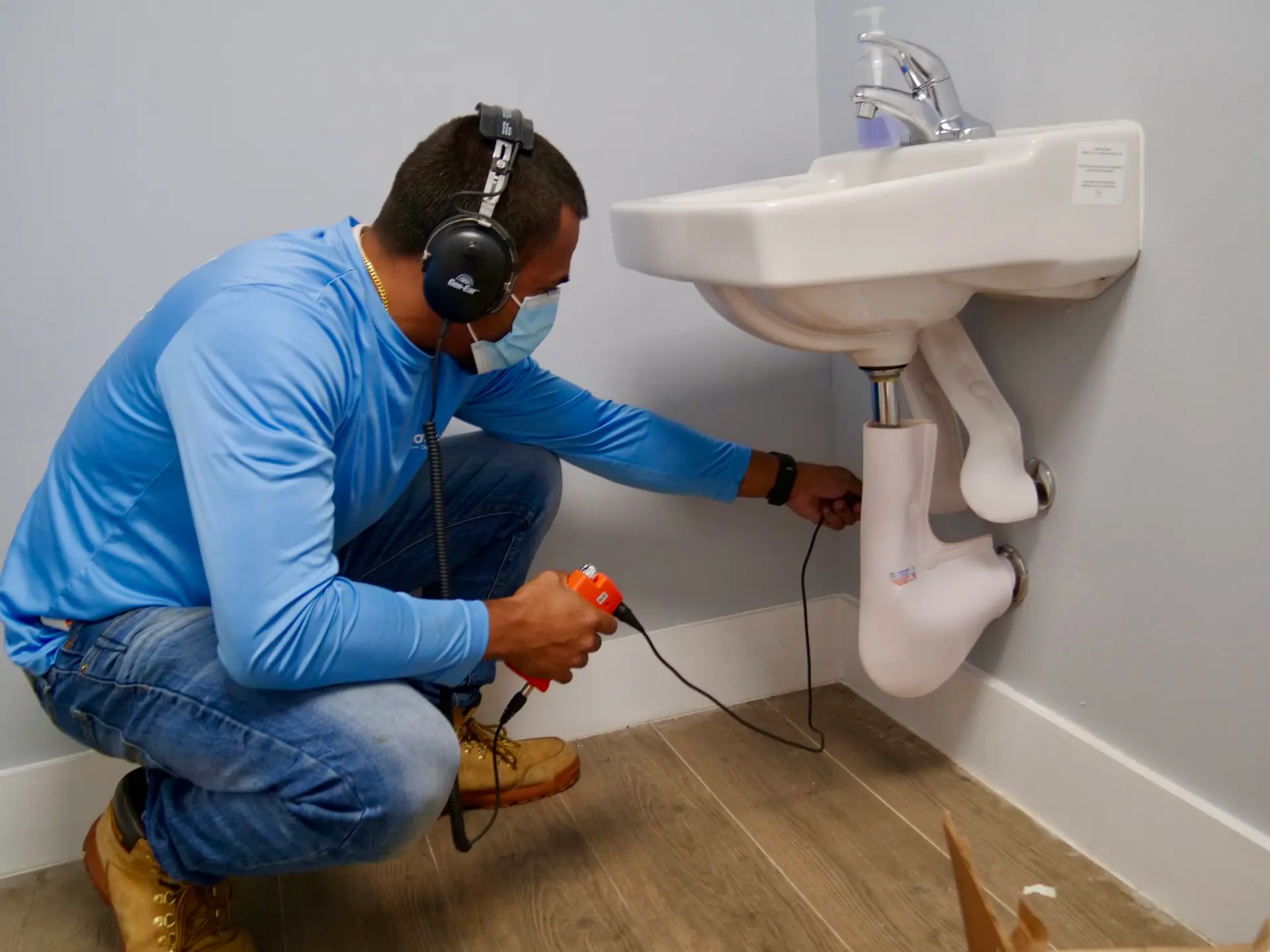
- Acoustic Leak Detectors – Listen for the sound of water movement within pipes.
- Video Pipe Inspections – Use cameras inserted into plumbing lines to visualize leaks or blockages.
- Humidity Sensors – Track ambient moisture levels to detect problem areas exacerbated by North Miami’s climate.
- Surface and Subsurface Probing – Carefully inspect flooring, cabinetry, and wall cavities to verify leaks without causing unnecessary damage.
These tools allow for early detection, minimizing damage and repair costs.
Step-by-Step Water Leak Detection Process
A professional water leak detection process typically follows these steps:
- Initial Assessment – Identify visible signs of water intrusion and gather property history.
- Non-Invasive Scanning – Use thermal imaging, moisture meters, and acoustic detectors to locate hidden leaks.
- Targeted Probing – Carefully inspect plumbing, flooring, and walls to confirm findings.
- Extent Analysis – Evaluate affected areas, including subflooring, insulation, and HVAC systems.
- Reporting and Recommendations – Provide a comprehensive plan for repair, remediation, and monitoring.
- Follow-Up Verification – After repairs, recheck moisture levels to ensure leaks are fully resolved.
This systematic approach ensures both immediate and long-term protection of the property.
Real-World Observations from North Miami Properties
Through experience in North Miami, several patterns are frequently observed:
- AC Condensation Causes Hidden Leaks – Many homes experience dripping or overflow from drip pans and clogged condensate lines, affecting carpets and flooring.
- Older Plumbing Systems Fail Gradually – Small leaks can persist for months, creating hidden mold and water damage.
- Stormwater Intrusion Affects Slab Homes – Flooding or poor drainage can saturate subfloor areas without immediate visible signs.
- High Humidity Masks Problems – Prolonged moisture exposure slows drying, allowing leaks to go unnoticed.
These patterns emphasize the importance of routine inspections and early intervention.
Preventing Water Leak Problems
Property owners can implement proactive measures to reduce the risk of leaks:
- Schedule regular plumbing inspections, including under sinks, behind walls, and in attics
- Maintain AC units, drip pans, and condensate lines to prevent overflow
- Inspect roofs, flashing, and exterior sealants to prevent water intrusion
- Install leak detection devices in vulnerable areas such as basements, kitchens, and utility rooms
- Conduct post-storm inspections to detect damage early
Preventive maintenance reduces the likelihood of significant water damage, mold, and costly repairs.
Why Local Expertise Matters
North Miami’s humid, coastal environment presents unique challenges for water leak detection:
- High humidity complicates moisture measurement and accelerates mold growth
- Salt-laden air can corrode plumbing and HVAC components
- Storms and seasonal rains introduce unpredictable water intrusion
- Older and high-rise homes have concealed construction complexities
Local professionals like Tip Top Water and Fire Damage Restoration understand these factors and provide tailored water leak detection solutions for North Miami properties.
Calm, Trust-Based Call to Action
Water leaks in North Miami homes can cause hidden, long-term damage if not addressed promptly. Professional water leak detection identifies concealed leaks, assesses structural risks, and enables timely remediation. By addressing leaks early, homeowners protect indoor air quality, prevent mold, and preserve the integrity of their property. Tip Top Water and Fire Damage Restoration offers the expertise, tools, and local knowledge necessary to detect and resolve water leaks efficiently in North Miami and surrounding coastal communities.