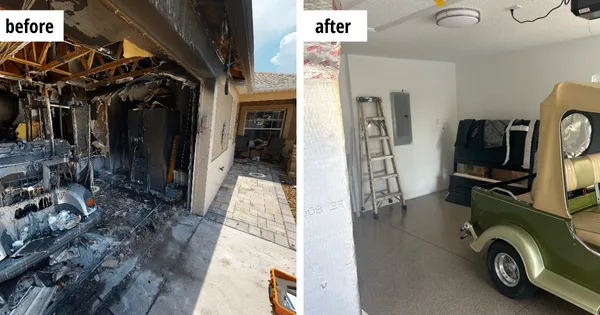
Lessons Learned from Real Local Homes: Fire Damage Restoration Challenges in Aventura
Fire damage is one of the most devastating events a homeowner can experience, and in Aventura, properties face unique challenges due to coastal weather, older construction, and dense residential layouts. Fires are unpredictable, and their aftermath requires more than just patching burned areas—it involves a comprehensive restoration process addressing structural damage, smoke and soot, water intrusion from firefighting efforts, and long-term prevention.
Drawing insights from real homes in Aventura that have experienced fire, this article examines the challenges of fire damage restoration, what homeowners can learn from these cases, and how to approach restoration effectively while minimizing long-term risks.
Understanding Fire Damage in Aventura Homes
Fire damage can affect a property in multiple ways:
1. Structural Damage
Even a small fire can compromise walls, floors, roofs, and load-bearing supports. Heat can warp wooden beams, weaken drywall, and damage insulation. In Aventura’s older or waterfront homes, structural components may be more vulnerable due to age and exposure to humid, salty air.
2. Smoke and Soot
Smoke penetrates porous materials, furniture, and personal belongings. Soot is highly corrosive and can degrade surfaces, appliances, and electronics if not properly cleaned. Homes with open layouts or high ceilings often experience widespread smoke dispersion, complicating restoration.
3. Water Damage
Firefighting efforts often involve significant amounts of water. While necessary, water can saturate carpets, flooring, and subfloors, creating additional restoration needs and increasing the risk of mold growth.
4. Odor Contamination
Smoke odors can linger for months if not addressed. They are absorbed into fabrics, walls, and HVAC systems, requiring professional deodorization to restore air quality.
Common Challenges Observed in Local Homes
Through case studies of homes in Aventura, several recurring challenges emerge:
1. Hidden Damage
Many homeowners underestimate the extent of damage. Heat and smoke often penetrate hidden areas such as:
- Attics and crawl spaces
- HVAC ducts
- Wall cavities
- Ceiling tiles
Inspection and testing are crucial to identify damage that is not immediately visible.
2. Combined Effects of Water and Smoke
Water used to extinguish fires exacerbates smoke-related damage. Wet surfaces allow soot to adhere more deeply, and high humidity can prolong drying time, increasing the risk of mold growth in the aftermath.
3. Older Construction Materials
Properties built in the 1980s or earlier often feature porous drywall, wooden subflooring, and insulation materials that absorb smoke and water more easily. Restoration requires careful cleaning, replacement, and sometimes structural reinforcement.
4. Coastal Climate Considerations
Aventura’s coastal environment introduces additional complications:
- Salt-laden air can corrode metal components during post-fire restoration.
- Humidity slows drying of water-damaged areas, increasing the likelihood of secondary damage.
- Frequent storms can interfere with temporary repairs such as tarping or boarding up damaged structures.
5. Insurance and Regulatory Hurdles
Restoration often involves navigating insurance claims and local building codes. Homeowners report challenges in getting timely approvals for repairs, especially if structural damage affects load-bearing walls or roofing in older homes.
Key Steps in Effective Fire Damage Restoration
From observations of local cases, successful restoration involves several structured steps:
1. Emergency Response
- Immediate board-up or tarping to prevent unauthorized entry and weather exposure
- Assessment of safety hazards such as compromised floors or electrical systems
2. Damage Assessment
- Professional evaluation of fire, smoke, and water damage
- Identification of areas requiring structural repair, cleaning, or replacement
3. Water Removal and Drying
- Use of industrial pumps, dehumidifiers, and air movers
- Monitoring moisture levels in carpets, subflooring, and structural elements to prevent mold growth
4. Smoke and Soot Cleaning
- Specialized cleaning of walls, ceilings, floors, and personal property
- Use of HEPA vacuums, chemical sponges, and professional-grade detergents
5. Odor Removal
- Thermal fogging, ozone treatments, and air scrubbers to neutralize lingering smoke smells
6. Structural Repairs
- Replacement of damaged drywall, insulation, flooring, and roofing materials
- Reinforcement of compromised wooden beams or metal supports
7. Final Inspection and Quality Assurance
- Verification that the property is safe, dry, and free from smoke odors
- Testing HVAC systems and indoor air quality to ensure no residual contamination
Lessons Learned from Local Aventura Homes
1. Early Professional Intervention Is Crucial
Homes that received immediate professional assessment and restoration had better outcomes, including lower secondary damage and faster recovery times. Delays allowed water damage, mold growth, and lingering smoke odors to worsen.
2. Hidden Damage Requires Specialized Tools
Thermal imaging cameras, moisture meters, and air quality monitors revealed damage not visible to the naked eye. Homes that skipped this step often required additional repairs weeks later.
3. Combined Restoration Is More Effective
Addressing structural, water, smoke, and odor damage in a coordinated manner prevents recurring issues. Homeowners who approached restoration piecemeal often faced multiple return visits and higher costs.
4. Insurance Navigation Is Vital
Understanding policy coverage and documenting damage meticulously helped homeowners secure claims. Delayed reporting or incomplete documentation resulted in denied claims or partial reimbursements.
5. Preventive Measures Reduce Future Risk
After restoration, homeowners implemented fire prevention strategies such as:
- Smoke detectors and sprinkler systems
- Proper electrical maintenance
- Safe storage of flammable materials
- Regular inspections of HVAC and roofing systems
These measures reduced the likelihood of repeat incidents.
Challenges Unique to Coastal Properties
Coastal homes in Aventura have specific vulnerabilities:
- Humidity: Prolonged drying times can complicate restoration.
- Salt Exposure: Metal reinforcements, HVAC components, and appliances corrode faster.
- Storm Season: Rain and high winds can disrupt temporary repairs, requiring rapid action to secure properties.
Conclusion
Fire damage restoration in Aventura homes presents unique challenges due to the coastal climate, older construction materials, and combined effects of water and smoke. Lessons from local properties emphasize the importance of professional intervention, comprehensive inspections, and coordinated restoration efforts.
Homeowners who prioritize early assessment, use specialized equipment, and follow structured restoration protocols minimize long-term damage, protect their investments, and ensure safe, livable homes. Incorporating preventive measures after restoration also safeguards against future fire hazards, making fire damage management a critical component of responsible property ownership in Aventura.