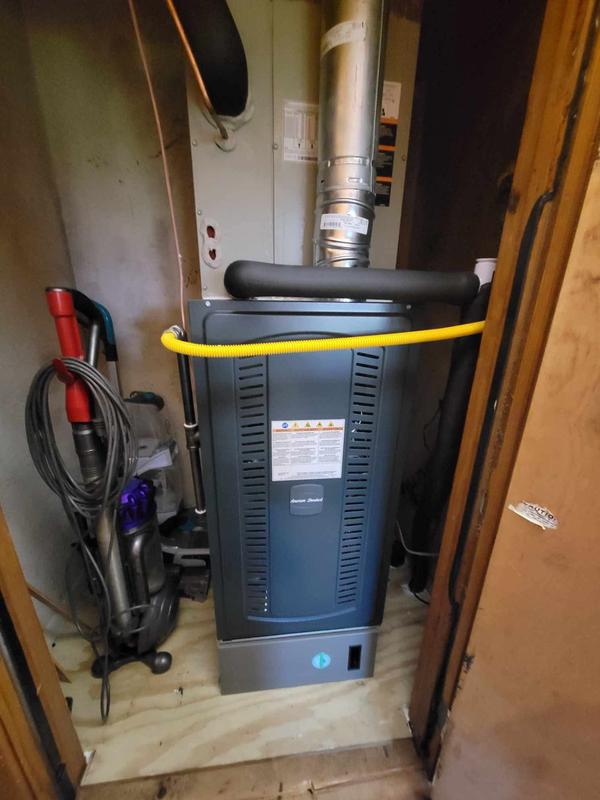
Long-Term Protection Tips Related to AC Moisture Repair in Aventura
In Aventura, air conditioning systems are not just a comfort—they are a necessity. With high humidity, warm coastal temperatures, and frequent storms, AC units operate almost year-round. While these systems help control indoor moisture, they can also become a source of water damage when condensation, drainage, or airflow issues develop.
Understanding how AC moisture problems occur and learning practical steps for long-term protection helps homeowners, landlords, and property managers prevent mold growth, structural damage, and recurring repairs.
Why AC Moisture Problems Are Common in Aventura
Homes in Aventura and nearby areas such as Sunny Isles Beach, North Miami Beach, and Bal Harbour face environmental conditions that make moisture issues more likely.
Several factors contribute:
High humidity levels
Air conditioners remove large amounts of moisture from indoor air, producing condensation continuously.
Warm coastal temperatures
Heat increases humidity and slows drying of damp materials.
Frequent storms and heavy rain
Storm conditions often increase indoor moisture levels.
Continuous AC use
Year-round operation increases wear on drain lines, pans, and components.
Because of these conditions, regular inspection and maintenance are essential.
How AC Moisture Problems Typically Begin
AC moisture issues often start with small problems that are easy to overlook.
Common causes include:
- Clogged condensate drain lines
- Rusted or damaged drain pans
- Dirty air filters reducing airflow
- Condensation forming on ducts
- Air handler leaks
These issues may develop gradually, allowing moisture to spread into surrounding materials before being noticed.
Early Warning Signs of AC Moisture Problems
Recognizing early signs helps prevent larger repairs later.
Property owners may notice:
- Musty odors when the AC runs
- Water stains near vents or ceilings
- Damp areas around air handlers
- Increased indoor humidity
- Peeling paint or warped baseboards
These signs often indicate hidden moisture that should be inspected.
Hidden Areas Where Moisture Often Develops
One of the biggest challenges in AC moisture repair is locating moisture in concealed spaces.
Common hidden locations include:
- Inside wall cavities near air handlers
- Beneath flooring in AC closets
- Inside duct insulation
- Attics where ducts pass through warm air
- Ceiling cavities near vents
In humid coastal climates, moisture in these areas may remain trapped for extended periods if not properly dried.
Why Long-Term Protection Is Important
Repairing an AC moisture problem is only part of the solution. Without preventive steps, similar problems may occur again.
Long-term protection helps:
- Prevent mold growth
- Reduce repair costs
- Protect structural materials
- Maintain indoor air quality
- Extend the lifespan of HVAC systems
Taking preventive measures often saves time and expense in the future.
Long-Term Protection Tips That Really Work
Experience from local homes in Aventura shows that certain maintenance steps are especially effective.
1. Flush Condensate Drain Lines Regularly
Condensate line clogs are one of the most common causes of AC leaks. Periodic flushing helps prevent blockages and overflow.
2. Replace Air Filters on Schedule
Dirty filters restrict airflow, increasing condensation and humidity inside ducts and air handlers.
3. Inspect AC Closets and Surrounding Areas
AC closets are common moisture hotspots. Checking these areas regularly helps detect leaks early.
4. Improve Duct Insulation
Uninsulated ducts in attics often develop condensation. Proper insulation reduces moisture buildup.
5. Monitor Indoor Humidity Levels
Maintaining balanced humidity helps prevent condensation and mold growth. Dehumidifiers may be helpful in certain situations.
6. Schedule Routine HVAC Inspections
Professional inspections help identify small issues before they lead to water damage.
Professionals familiar with local coastal conditions often use moisture detection tools to locate hidden damp areas. Companies such as Tip Top Water and Fire Damage Restoration frequently emphasize routine inspection and preventive maintenance to reduce recurring moisture problems.
The Connection Between AC Moisture and Mold
Moisture is the most important factor in mold growth. When damp materials remain in warm environments, mold can develop quickly.
Mold risk increases when:
- Drying is delayed
- Humidity remains high
- Moisture is trapped in insulation or drywall
- Ventilation is limited
Preventing moisture buildup is the most effective way to prevent mold.
Lessons Learned from Local Properties
Real situations from homes in Aventura reveal several consistent patterns.
Condensate line clogs are a leading cause of leaks
Routine maintenance often prevents these problems.
AC closets frequently show the first signs of moisture
Small leaks often begin in these areas.
Humidity prolongs drying times
Coastal conditions often require longer drying periods.
Early inspections reduce restoration costs
Homes inspected promptly typically required less extensive work.
These observations highlight the importance of preventive maintenance.
HVAC Systems and Indoor Air Quality
AC moisture problems can also affect indoor air quality. Damp ducts or air handlers may circulate odors or particles throughout the home.
Potential concerns include:
- Musty odors
- Reduced air freshness
- Increased airborne particles
- Uneven cooling or humidity levels
Routine cleaning and maintenance help maintain comfortable indoor conditions.
Why Local Experience Matters
AC moisture repair in coastal South Florida requires understanding how humidity, storms, and building materials interact. Homes in Aventura and nearby communities experience environmental conditions that differ significantly from inland areas.
Professionals familiar with local conditions understand:
- How coastal humidity affects drying times
- Where condensation commonly forms
- Which materials are most vulnerable
- How ventilation systems behave in humid climates
This knowledge helps ensure repairs and preventive steps are effective.
A Practical Next Step for Property Owners
AC moisture problems may seem minor at first, but ignoring them can lead to mold growth, structural damage, and persistent odors. If you notice damp areas, condensation, or musty smells near vents or air handlers, having the system inspected early can prevent larger repairs later.
Working with experienced restoration professionals such as Tip Top Water and Fire Damage Restoration helps ensure that moisture sources are corrected, affected materials are properly dried, and preventive steps are implemented. With routine maintenance and timely repairs, homeowners in Aventura can protect their properties and maintain comfortable indoor environments year-round.