
Long-Term Protection Tips Related to Black Mold Removal in Surfside
Black mold removal addresses contamination. Long-term protection ensures it doesn’t return.
In Surfside, where properties sit directly along the Atlantic Ocean and near Biscayne Bay, humidity is constant, salt air accelerates material breakdown, and storms test exterior barriers every year. Once black mold has been professionally removed, maintaining stable indoor conditions becomes the priority.
Without consistent moisture control, even well-executed remediation can be undone by the coastal environment.
Here’s what Surfside property owners should focus on after black mold removal to reduce long-term risk and protect structural integrity.
Keep Indoor Humidity in a Controlled Range
Humidity is the primary driver of mold growth in coastal South Florida.
In Surfside, outdoor humidity often remains high even on clear days. If indoor humidity rises above 60%, mold risk increases rapidly.
Maintain indoor levels between 45% and 55%.
To do this:
- Service HVAC systems regularly
- Install standalone or whole-home dehumidifiers
- Use digital humidity monitors
- Avoid turning off AC systems completely
Humidity stability is the foundation of long-term mold prevention.
Maintain and Inspect HVAC Systems
Air conditioning systems remove significant moisture daily.
After black mold removal, HVAC systems must remain clean and properly functioning.
Schedule:
- Annual HVAC inspections
- Routine drain line flushing
- Filter replacement
- Duct insulation checks
Clogged condensate lines are a frequent cause of repeat moisture issues in Surfside condos and homes.
Duct condensation is also common in humid climates.
Consistent maintenance prevents moisture from re-entering the system.
Monitor Slab Moisture in Ground-Level Units
Many Surfside properties sit on slab foundations.
After heavy rainfall or storm surge, groundwater levels rise.
Moisture may migrate upward through concrete.
Watch for:
- Warped flooring
- Darkened grout
- Musty odors near baseboards
- Damp carpet edges
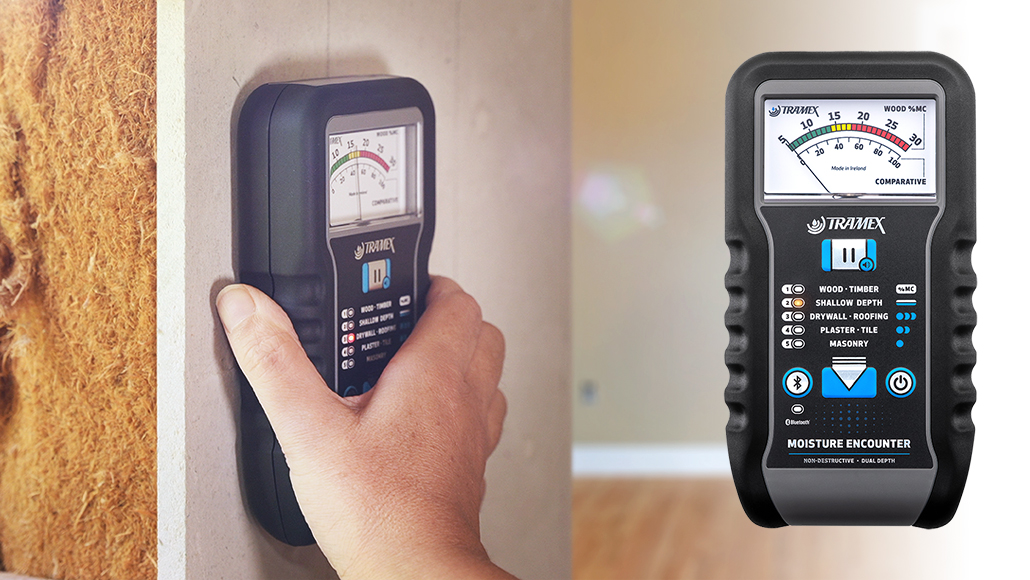
Periodic moisture detection confirms slab stability.
Reinstalling flooring without verifying dryness can trigger recurring mold growth.
Inspect Windows and Sliding Doors Annually
Wind-driven rain is common during tropical storms.
Salt air gradually deteriorates:
- Window seals
- Caulking
- Balcony thresholds
- Exterior fasteners
Even small gaps allow moisture to enter wall cavities.
Inspect and replace weatherstripping regularly.
In oceanfront condos, salt corrosion can compromise seals faster than expected.
Improve Ventilation in Enclosed Areas
Closets, bathrooms, and laundry rooms often trap humidity.
After mold removal, ensure:
- Exhaust fans operate effectively
- Closet doors allow airflow
- Storage does not block exterior-facing walls
Poor airflow creates microclimates where moisture lingers.
Improved ventilation reduces condensation and prevents recurrence.
Act Quickly on Minor Leaks
In humid coastal climates, small leaks escalate rapidly.
After black mold removal, respond immediately to:
- Ceiling staining
- Plumbing drips
- AC overflow
- Window intrusion
Delays increase the likelihood of repeat contamination.
Early repairs prevent hidden moisture from spreading.
Maintain Climate Control in Vacant Units
Surfside includes many seasonal and vacation residences.
Leaving units closed without active climate control invites humidity buildup.
Even after successful mold remediation, stagnant air and rising humidity create risk.
Keep:
- Moderate AC settings active
- Humidity monitored
- Air circulating periodically
Vacant units without ventilation are especially vulnerable.
Schedule Post-Storm Inspections
Hurricane season places significant stress on coastal properties.
Even if no obvious flooding occurred, wind-driven rain may have entered attic spaces or wall cavities.
After major storms, inspect for:
- Damp insulation
- Ceiling discoloration
- Elevated humidity
- Exterior seal damage
Preventive inspections reduce the chance of mold returning unnoticed.
Clean and Protect Metal Components
Salt air combined with prior moisture exposure accelerates corrosion.
Inspect:
- HVAC components
- Electrical panels
- Window frames
- Exterior fasteners
Addressing corrosion early reduces moisture entry points.
Salt-related deterioration often contributes to repeat mold problems.
Use Smart Leak Detection Systems
Early awareness reduces damage dramatically.
Install water leak sensors:
- Under sinks
- Near water heaters
- Around air handlers
- Beneath appliances
In multi-unit buildings, upper-floor leaks may affect lower units.
Immediate alerts limit moisture spread.
Technology supports long-term protection.
Maintain Documentation of Repairs
Keep records of:
- Mold remediation dates
- Moisture readings
- HVAC servicing
- Roof repairs
- Seal replacements
Tracking maintenance history helps identify recurring vulnerabilities.
Documentation also supports insurance claims if needed.
Why Local Coastal Experience Matters
Black mold removal challenges in Surfside are shaped by:
- Oceanfront humidity
- Salt air corrosion
- High-rise building dynamics
- Slab moisture migration
- Storm-driven intrusion
A restoration professional familiar with Surfside, Bal Harbour, North Miami Beach, and Sunny Isles Beach understands how these environmental factors influence long-term stability.
Tip Top Water and Fire Damage Restoration has addressed mold issues throughout these coastal communities, applying prevention strategies tailored to South Florida’s climate.
Local experience ensures long-term solutions rather than temporary fixes.
A Practical Long-Term Strategy
Black mold removal resolves contamination. Long-term protection prevents recurrence.
In Surfside, lasting protection includes:
- Controlling indoor humidity
- Maintaining HVAC systems
- Monitoring slab moisture
- Inspecting exterior seals
- Improving ventilation
- Acting quickly on leaks
- Maintaining climate control year-round
Coastal living near Biscayne Bay and the Atlantic Ocean will always involve environmental moisture.
But repeat mold growth is preventable.
With consistent monitoring and proactive maintenance, property owners can protect structural integrity, preserve indoor air quality, and maintain long-term property value.
In South Florida’s humid coastal environment, prevention is not optional — it is essential.