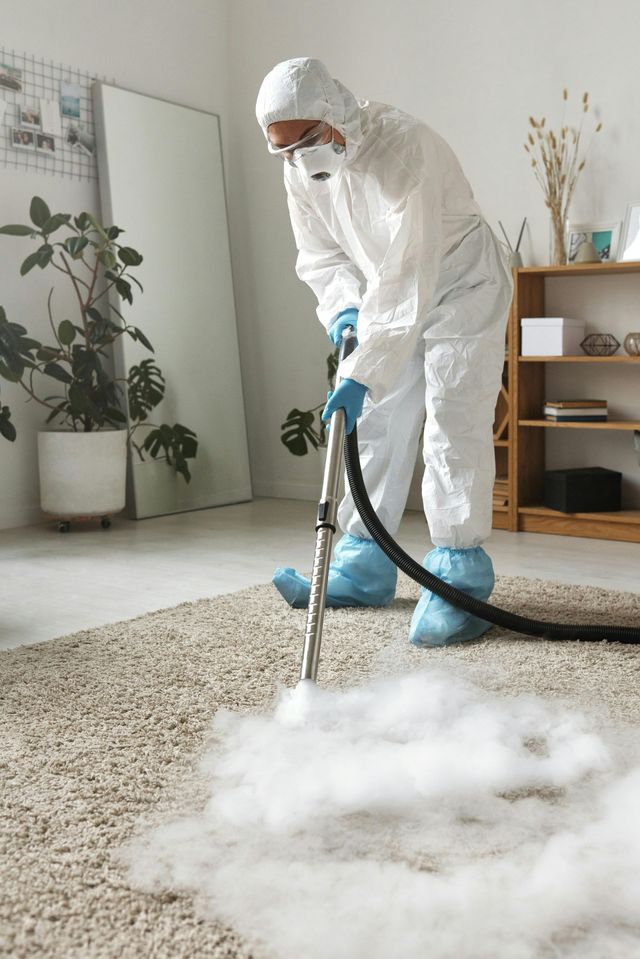
Long-Term Protection Tips Related to Carpet Cleaning After Water Damage in Sunny Isles Beach
Carpets in homes and condos in Sunny Isles Beach face unique challenges due to the region’s humid climate, coastal air, and seasonal storms. When water damage occurs—whether from leaks, AC condensation, plumbing issues, or flooding—carpets quickly become a breeding ground for mold, bacteria, and unpleasant odors. Immediate water extraction and professional cleaning are essential, but long-term protection strategies are equally important to preserve carpet quality, maintain indoor air quality, and prevent recurring damage.
This guide outlines practical, real-world advice for property owners, landlords, and property managers in Sunny Isles Beach, focusing on long-term carpet care and maintenance after water damage.
Why Carpet Cleaning Is Critical After Water Damage
Carpet fibers and padding are highly absorbent, which makes them particularly vulnerable after water exposure:
1. Mold and Bacterial Growth
Even small amounts of retained moisture can allow mold and bacteria to develop within 24–48 hours. These microorganisms not only damage the carpet but can negatively affect indoor air quality and occupant health.
2. Structural Impact
Moisture can seep through carpet padding into subflooring, leading to swelling, warping, or rot in wooden or laminate floors. Prolonged exposure weakens structural integrity over time.
3. Staining and Odors
Water damage can leave behind discoloration and unpleasant odors. If untreated, these stains and smells can become permanent, requiring replacement rather than restoration.
4. Carpet Fiber Degradation
Repeated or prolonged water exposure can break down the fibers, reducing softness, resilience, and the carpet’s overall lifespan.
Common Causes of Water Damage in Sunny Isles Beach
Understanding the sources of carpet water damage helps property owners take proactive steps:
- AC Condensation Overflow: Blocked condensate lines or full drip pans can saturate carpeting, especially near air handlers.
- Plumbing Leaks: Burst pipes, leaking faucets, and water heaters often damage carpets in bathrooms, kitchens, and living areas.
- Roof Leaks: Water from roof damage can travel down walls, soaking carpeting in multiple rooms.
- Flooding from Storms: Heavy rainfall or coastal flooding can introduce large volumes of water into low-lying units.
- Spills and Accidents: Minor spills can contribute to ongoing moisture problems if not addressed quickly.
Each source may require different approaches for extraction, drying, and long-term protection.
Real-World Observations from Sunny Isles Beach Properties
Local properties reveal consistent patterns in carpet water damage:
Observation 1: Hidden Moisture
Even when carpets appear dry on the surface, padding and subflooring may remain damp, requiring moisture detection tools for proper drying.
Observation 2: Rapid Mold Development
Florida’s high humidity accelerates microbial growth. Carpets left untreated for 24–48 hours often develop visible mold or a musty odor.
Observation 3: High-Rise Challenges
In condos and high-rise apartments, water intrusion from upper floors or AC units can affect multiple rooms or units simultaneously, complicating cleanup and drying.
Observation 4: Flooring Material Sensitivity
Carpet materials vary in how they respond to water. Wool, nylon, and polyester fibers each require specialized cleaning solutions and drying techniques to prevent damage.
Observation 5: Residual Contamination
Even after surface cleaning, invisible contaminants such as bacteria, salts from coastal air, and minerals from water can remain, necessitating professional remediation.
Steps for Effective Carpet Cleaning After Water Damage
Professional carpet cleaning after water damage follows a structured process to ensure both immediate and long-term protection:
Step 1: Inspection and Assessment
- Identify the source and extent of water damage
- Assess carpet type, fiber content, and condition
- Check padding and subflooring for moisture retention
Step 2: Water Extraction
- Use high-capacity extraction equipment to remove standing water
- Lift or roll carpets to extract moisture from padding and underlayers
- Employ moisture meters to detect hidden water
Step 3: Drying and Dehumidification
- Deploy air movers, fans, and dehumidifiers to eliminate remaining moisture
- Focus on hidden areas beneath carpets and in corners or wall edges
- Monitor humidity levels to ensure complete drying
Step 4: Deep Cleaning and Sanitization
- Apply professional-grade cleaners to remove dirt, bacteria, and salt residue
- Use antimicrobial treatments to prevent mold growth
- Ensure cleaning solutions are compatible with carpet fibers to avoid damage
Step 5: Restoration and Protective Measures
- Replace carpet padding if saturation or contamination occurred
- Inspect and repair subflooring if necessary
- Apply stain-resistant or protective coatings to extend carpet lifespan
Long-Term Protection Tips
Property owners can take several steps to safeguard carpets against future water damage:
1. Maintain AC Systems
- Inspect condensate lines and drip pans regularly
- Ensure proper insulation and airflow in air handling systems
- Schedule annual professional HVAC maintenance
2. Prompt Leak Repairs
- Address plumbing leaks, roof damage, or appliance malfunctions immediately
- Regularly inspect plumbing risers, faucets, and water heaters for signs of leaks
3. Humidity Control
- Use dehumidifiers during peak humidity months to maintain indoor humidity below 50%
- Ensure AC systems are effectively removing moisture from indoor air
4. Routine Carpet Cleaning
- Perform periodic professional carpet cleaning to remove embedded dirt, dust, and moisture
- Use extraction and drying techniques suitable for high-humidity coastal environments
5. Protective Carpet Treatments
- Apply antimicrobial solutions to inhibit mold growth
- Consider stain-resistant or water-repellent coatings for added protection
6. Monitor for Hidden Moisture
- Check under furniture, along walls, and in corners for dampness
- Use moisture meters or infrared cameras if available, particularly after storms or leaks
7. Educate Occupants
- Encourage family members or tenants to report spills or leaks promptly
- Establish a routine for checking common problem areas, such as near AC units, bathrooms, and kitchens
Challenges Specific to Sunny Isles Beach
- Coastal Humidity: Persistent moisture slows drying and increases mold risk.
- Storm-Related Water Intrusion: Heavy rain or minor flooding can overwhelm drainage systems.
- High-Rise Properties: Shared AC or plumbing systems may contribute to hidden water accumulation.
- Aging Infrastructure: Older flooring, insulation, and building materials increase susceptibility to water damage.
Understanding these challenges allows property owners to implement effective preventive and protective strategies.
The Role of Professional Expertise
Companies like Tip Top Water and Fire Damage Restoration offer specialized knowledge and equipment for post-water damage carpet cleaning:
- Advanced water extraction and drying techniques
- Fiber- and material-specific cleaning solutions
- Moisture detection tools for hidden areas
- Antimicrobial treatments to prevent mold and odor
- Guidance for long-term maintenance and protection
Professional intervention ensures carpets are restored safely and remain protected against future damage.
Conclusion
Carpet cleaning after water damage in Sunny Isles Beach is not just a matter of aesthetics—it is essential for protecting indoor air quality, structural integrity, and overall property value. Florida’s humid climate, coastal conditions, and high-rise environments make carpets particularly vulnerable to mold, bacteria, and lingering moisture.
By following structured water removal and cleaning procedures, implementing preventive strategies, and working with experienced professionals, property owners can preserve carpet longevity, reduce health risks, and maintain comfortable living spaces. Long-term protection requires a combination of immediate response, regular maintenance, humidity management, and careful monitoring of potential problem areas.
Proactive carpet care ensures that water damage events do not lead to lasting structural or indoor air quality issues, safeguarding both property and occupants in Sunny Isles Beach’s coastal environment.