
Long-Term Protection Tips Related to Flood Restoration in Bal Harbour
Flood restoration addresses the immediate damage. Long-term protection ensures you don’t face the same problem again next season.
In Bal Harbour, flood events are influenced by storm surge, wind-driven rain, high-rise plumbing failures, elevated groundwater, and constant humidity from the Atlantic. Even after professional restoration, the coastal environment continues applying pressure to the building.
Water may be removed. Materials may be replaced. But without ongoing moisture management, conditions that led to flooding-related damage can quietly return.
Here are practical, long-term protection tips every Bal Harbour property owner should follow after flood restoration.
Understand That Coastal Humidity Never Really Stops
One of the biggest mistakes property owners make is assuming that once a flood dries, the risk disappears.
In Bal Harbour:
- Outdoor humidity is high year-round
- Salt air accelerates material breakdown
- Storm season repeats annually
- AC systems run continuously
Flood restoration stabilizes the property — but long-term protection requires ongoing humidity control.
Keep indoor humidity consistently between 45% and 55%.
Install humidity monitors in main living areas and mechanical closets to track levels.
Maintain HVAC Systems on a Strict Schedule
Air conditioning systems are the backbone of moisture control in South Florida.
After flood restoration, HVAC systems must be inspected to ensure:
- Drain lines are clear
- Drain pans are not corroded
- Duct insulation is intact
- Airflow is balanced
- Coils are clean
Clogged condensate lines are one of the most common causes of post-flood moisture issues.
Routine maintenance reduces the risk of internal water overflow.
In high-rise condos common in Bal Harbour, coordinate inspections with building management if systems are shared.
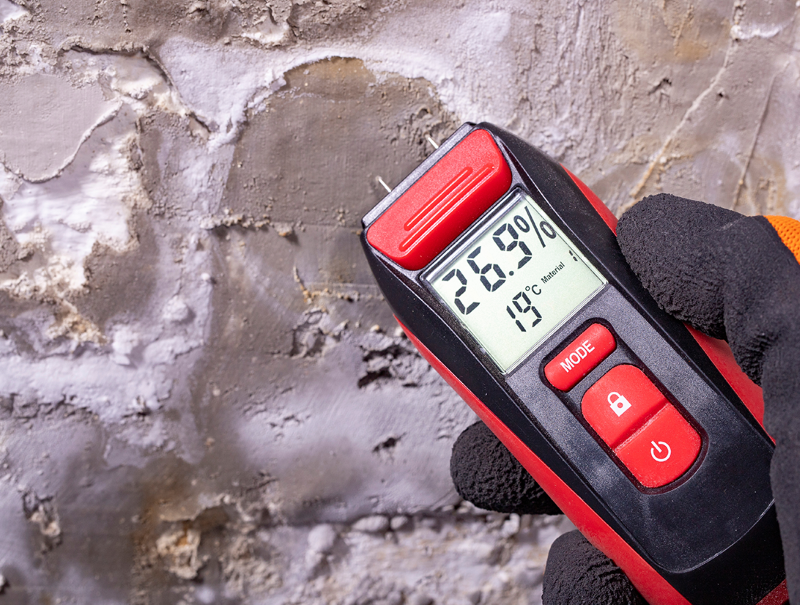
Monitor Slab Moisture Before Reinstalling Flooring
Many Bal Harbour properties are built on slab foundations.
After flooding, concrete retains moisture longer than most people expect.
Even when surfaces feel dry, slabs may still contain elevated moisture levels.
Before reinstalling:
- Hardwood
- Engineered flooring
- Tile
- Carpet
Confirm slab moisture readings are stable.
Rebuilding too soon traps moisture beneath flooring and leads to recurring mold growth or warping.
Inspect Windows and Sliding Doors Annually
Wind-driven rain during tropical storms frequently enters through compromised seals.
Salt exposure accelerates deterioration of:
- Window caulking
- Balcony door tracks
- Exterior fasteners
Annual inspection of exterior seals reduces the risk of hidden water intrusion.
Replacing weatherstripping costs far less than repeating flood restoration.
In oceanfront condos, salt corrosion often weakens seal integrity faster than expected.
Improve Drainage Around the Property
Ground-level homes in Bal Harbour and nearby Surfside are vulnerable to water pooling after heavy rain.
Ensure:
- Gutters are clear
- Downspouts direct water away from foundations
- Landscaping slopes away from the structure
- Balcony drains remain unobstructed
Poor drainage increases the likelihood of slab moisture migration and interior dampness.
Drainage corrections are one of the most effective long-term flood prevention strategies.
Install Smart Water Leak Detection Systems
Flood restoration often begins with delayed awareness.
Smart leak sensors placed:
- Under sinks
- Near water heaters
- Around air handlers
- Behind refrigerators
- In AC closets
Provide early alerts.
In high-rise buildings, upper-floor leaks may travel downward into your unit.
Immediate notification reduces damage dramatically.
Vacation properties benefit especially from remote monitoring systems.
Schedule Post-Storm Inspections
After hurricane season or heavy storms, schedule a moisture inspection even if no visible flooding occurred.
Wind-driven rain can enter attic spaces or wall cavities without obvious signs.
Post-storm inspections help identify:
- Damp insulation
- Minor roof intrusion
- Compromised flashing
- Elevated humidity
Catching these issues early prevents repeat restoration.
Protect Electrical Systems from Corrosion
Salt exposure combined with past floodwater can accelerate corrosion in:
- Electrical panels
- Outlets
- Appliances
- HVAC components
Have electrical systems inspected after major flood events.
Address corrosion early to prevent future failures.
Water and salt together create long-term deterioration risk.
Maintain Climate Control in Vacant Units
Bal Harbour includes many seasonal and vacation properties.
Leaving a unit closed without active climate control invites humidity buildup.
After flood restoration, it is especially important to:
- Maintain moderate AC settings
- Keep humidity controlled
- Ensure periodic airflow
Closed, humid units are more likely to experience recurring mold problems.
Climate stability protects recent repairs.
Keep Documentation of Restoration and Maintenance
Maintain records of:
- Flood restoration dates
- Moisture readings
- Drying logs
- HVAC inspections
- Roof repairs
- Seal replacements
Tracking maintenance history helps identify recurring vulnerabilities.
Documentation also supports future insurance claims if needed.
Address Small Leaks Immediately
In coastal climates, small leaks escalate quickly.
After flood restoration, act immediately if you notice:
- Ceiling stains
- Dripping sounds
- Damp flooring
- AC overflow
Delays allow moisture to spread into structural materials.
Rapid response keeps small issues from becoming large projects.
Why Local Coastal Experience Matters
Flood restoration in Bal Harbour is shaped by:
- Oceanfront humidity
- Salt air corrosion
- High-rise building dynamics
- Slab moisture migration
- Hurricane-driven rain
A restoration professional familiar with Bal Harbour, Sunny Isles Beach, North Miami Beach, and Aventura understands how these environmental factors affect long-term stability.
Tip Top Water and Fire Damage Restoration has handled flood restoration throughout these coastal communities, applying prevention strategies designed specifically for South Florida’s conditions.
Local experience ensures that long-term protection plans match the climate reality.
A Practical Long-Term Approach
Flood restoration solves immediate damage. Long-term protection prevents recurrence.
In Bal Harbour, lasting protection includes:
- Consistent humidity control
- Strict HVAC maintenance
- Slab moisture monitoring
- Exterior seal inspections
- Drainage improvements
- Smart leak detection
- Post-storm inspections
- Climate control in vacant units
Coastal living near Biscayne Bay will always involve environmental moisture.
But repeat flood damage is not inevitable.
With structured maintenance and proactive monitoring, property owners can protect structural integrity, maintain indoor air quality, and preserve long-term property value.
In South Florida’s waterfront communities, prevention is not optional — it is the key to stability.