Long-Term Protection Tips Related to Flood Restoration in Surfside
Flooding is one of the most challenging problems property owners face in Surfside. With its coastal location, seasonal storms, and high water tables, even well-maintained homes and condos can experience water intrusion. While immediate water removal is critical, long-term protection is what truly determines whether a property recovers fully or develops ongoing issues like mold, structural deterioration, or recurring moisture problems.
Understanding how flood restoration works—and what steps help protect a property long after the drying equipment is gone—can make a major difference for homeowners and property managers throughout Surfside, Bal Harbour, North Miami Beach, and nearby coastal neighborhoods.
What Flood Restoration Means in Real Homes
Flood restoration involves more than removing standing water. It includes drying structural materials, cleaning and sanitizing affected areas, repairing damage, and ensuring the building is stable and safe.
In Surfside homes and condos, flood restoration often becomes necessary after:
- Heavy rainfall or storm surge
- Plumbing failures or burst pipes
- Roof leaks during severe weather
- Appliance overflows
- Groundwater intrusion in low-lying areas
Water can travel quickly through flooring, walls, and insulation. Even after surfaces appear dry, moisture can remain trapped in materials unless proper drying methods are used.
Why Flooding Happens So Often in Surfside
Surfside’s environment creates conditions that increase the likelihood of flooding and slow the drying process.
Several factors contribute:
Proximity to the ocean and bay increases groundwater levels and humidity.
Frequent storms and seasonal downpours bring sudden heavy rainfall.
Warm coastal air slows evaporation indoors.
High-rise and multi-unit buildings sometimes allow water to spread between units.
Older infrastructure in some properties may be more vulnerable to leaks or drainage issues.
Homes in nearby communities like Miami Shores, Aventura, and Biscayne Park often face similar challenges, especially during hurricane season.
Common Signs of Flood-Related Damage
Flood damage isn’t always obvious right away. Many homeowners notice warning signs days or weeks later.
Typical signs include:
- Musty or damp odors
- Warping or swelling of flooring
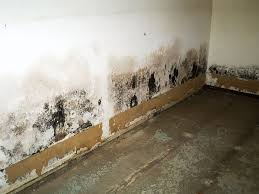
- Water stains on baseboards or walls
- Peeling paint or bubbling drywall
- Increased indoor humidity
- Persistent condensation on windows
These symptoms often indicate moisture that was not fully removed during the initial cleanup.
Hidden Areas Where Moisture Lingers
One of the biggest risks after flooding is moisture trapped in areas that are difficult to see.
Common hidden problem areas include:
Behind drywall and insulation
Water can remain in wall cavities long after surfaces appear dry.
Under flooring and subfloors
Moisture often spreads beneath tile, laminate, or wood.
Inside air ducts
Flood-related humidity can enter HVAC systems.
Cabinet bases and closets
These areas often dry more slowly due to limited airflow.
Attics and ceiling spaces
Moist air rises and may condense in upper areas of the structure.
Professional moisture detection helps identify these issues before they cause long-term damage.
Why Quick Action Matters
Time plays a critical role in flood restoration. In humid coastal environments, mold can begin developing within 24 to 48 hours when materials remain damp.
Quick response helps:
- Prevent mold growth
- Reduce structural damage
- Limit odors
- Protect flooring and drywall
- Lower repair costs
Delays often allow moisture to penetrate deeper into building materials, making restoration more complex.
Professional Flood Restoration and Drying Explained
Proper flood restoration involves a structured process designed to remove moisture thoroughly and stabilize indoor conditions.
Typical steps include:
- Water extraction using specialized equipment
- Placement of air movers and dehumidifiers
- Monitoring moisture levels in structural materials
- Cleaning and sanitizing affected areas
- Repairing damaged materials when necessary
Technicians often monitor drying progress over several days to ensure moisture levels return to normal.
Professionals familiar with local conditions, such as Tip Top Water and Fire Damage Restoration, often emphasize that drying is the most critical step in preventing long-term problems.
Air Ducts, AC Systems, and Post-Flood Moisture
Air conditioning systems play a major role in indoor humidity control, especially after flooding.
Common post-flood HVAC issues include:
- Moisture entering ductwork
- Condensation forming on vents
- Reduced airflow due to debris or dust
- Odors circulating through the system
Inspecting and cleaning ducts when necessary helps prevent lingering odors and humidity problems after restoration.
Long-Term Protection Tips After Flood Restoration
Once the immediate restoration is complete, several practical steps can help protect a property from recurring damage.
Maintain proper indoor humidity
Keeping humidity below 60% reduces the risk of mold growth.
Inspect roofs and seals regularly
Small leaks often develop after storms.
Service AC systems and drain lines
Proper airflow and drainage prevent condensation buildup.
Check for hidden moisture periodically
Moisture meters or professional inspections can identify early problems.
Ensure proper ventilation
Attics, closets, and storage areas should have adequate airflow.
Address minor leaks immediately
Small issues can quickly escalate in coastal climates.
These preventive measures are especially important in Surfside, where humidity remains high for much of the year.
Flood Restoration and Structural Repairs
In some cases, materials damaged by flooding must be replaced to prevent future problems.
This may include:
- Removing saturated drywall or insulation
- Replacing warped flooring
- Repairing damaged trim or cabinetry
- Cleaning and sealing structural surfaces
Completing these repairs properly helps ensure that moisture does not remain trapped inside the structure.
Why Local Experience Matters
Flood restoration in coastal environments requires understanding how humidity, weather patterns, and building design interact.
Professionals familiar with Surfside properties understand:
- How salt air affects building materials
- How storm patterns influence indoor moisture
- How slab foundations and tile flooring retain water
- How ventilation and airflow behave in coastal homes and condos
This local knowledge helps ensure restoration is thorough and long-lasting, rather than a temporary fix. Many property owners in Surfside and surrounding communities rely on experienced local providers such as Tip Top Water and Fire Damage Restoration for this reason.
A Practical, Calm Next Step
Flood damage can be stressful, but most properties recover successfully when restoration is handled properly and preventive steps are taken afterward. Thorough drying, careful inspections, and consistent maintenance are the keys to preventing long-term damage.
For homeowners and property managers in Surfside, staying proactive about moisture control is one of the most effective ways to protect both the structure and indoor environment. With the right approach, flood restoration can restore not just the property—but long-term peace of mind as well.