
Long-Term Protection Tips Related to Moisture Detection in Coastal Neighborhoods Near Biscayne Bay
Living near Biscayne Bay has its advantages — waterfront views, cooling breezes, and beautiful residential streets from Miami Shores to North Miami, Surfside, and Bal Harbour. But coastal living also comes with one consistent challenge: moisture.
In these neighborhoods, moisture problems rarely begin with dramatic flooding. More often, they start quietly — elevated indoor humidity, minor roof seepage during storms, AC condensation overflow, or groundwater migration through slab foundations.
Long-term protection in coastal South Florida isn’t just about responding to visible water damage. It’s about understanding how moisture behaves near Biscayne Bay and taking proactive steps to prevent structural and indoor air quality problems before they grow.
Why Moisture Is a Constant Risk Near Biscayne Bay
Coastal neighborhoods face environmental conditions that make moisture management more complex than inland areas.
Key contributing factors include:
- High year-round humidity
- Elevated groundwater levels
- Wind-driven rain during storms
- Salt air exposure
- Slab-on-grade construction
- Continuous HVAC operation
In low-lying areas of Miami Shores and North Miami Beach, groundwater can rise after prolonged rainfall. Even without visible flooding, moisture may migrate upward through concrete slabs.
In waterfront properties near canals and the bay, salt air accelerates material deterioration, increasing vulnerability to moisture intrusion.
Moisture detection becomes not just reactive — but preventative.
Understanding What Moisture Detection Actually Involves
Moisture detection is more than checking for wet carpet.
It includes evaluating:
- Drywall moisture levels
- Wood framing saturation
- Slab foundation dampness
- Attic insulation conditions
- HVAC condensate systems
- Window and door seals
Professional tools measure internal moisture content inside building materials. Because coastal humidity elevates baseline readings, experienced inspectors understand how to interpret data accurately in South Florida’s climate.
Tip Top Water and Fire Damage Restoration often emphasizes moisture mapping in coastal homes to ensure hidden dampness is identified early.
Long-Term Protection Tip #1: Monitor Indoor Humidity Consistently
Humidity control is the foundation of long-term moisture prevention.
In coastal neighborhoods near Biscayne Bay, indoor humidity can easily rise above safe levels if HVAC systems are not functioning properly.
Keep indoor humidity below 60 percent to:
- Reduce mold risk
- Protect wood framing
- Prevent odor development
- Support stable indoor air quality
Dehumidifiers may be beneficial in properties with persistent humidity challenges.
High-rise condos in Sunny Isles Beach and Aventura often require additional monitoring due to tightly sealed construction.
Long-Term Protection Tip #2: Maintain HVAC Systems Regularly
Air conditioning systems do more than cool the air — they remove moisture.
Neglected systems can become moisture sources.
Inspect and maintain:
- Condensate drain lines
- Drain pans
- Evaporator coils
- Air filters
- Duct insulation
Clogged drain lines are one of the most common causes of hidden ceiling and wall moisture in North Miami and Surfside properties.
Routine HVAC servicing reduces this risk significantly.
Long-Term Protection Tip #3: Inspect Roofs and Flashing After Storms
Wind-driven rain is a frequent moisture source in coastal communities.
After heavy storms, inspect:
- Roof flashing
- Vent penetrations
- Skylight seals
- Ceiling corners
Even minor roof seepage can allow moisture to accumulate in attic insulation.
Attics in Miami Shores and Biscayne Park often trap humid air. Combined with small roof leaks, this creates ideal conditions for hidden dampness.
Early detection prevents larger repairs.
Long-Term Protection Tip #4: Watch for Slab Foundation Moisture
Many homes near Biscayne Bay sit on slab foundations.
When groundwater levels rise, moisture may migrate upward.
Watch for:
- Warped wood flooring
- Tile lifting
- Damp carpet edges
- Discoloration along baseboards
Because slab moisture spreads laterally before becoming visible, periodic professional moisture readings help confirm dryness.
Ignoring slab dampness often leads to recurring mold problems.
Long-Term Protection Tip #5: Check Window and Door Seals
Salt air and sun exposure degrade sealants over time.
Small gaps around:
- Sliding glass doors
- Balcony doors
- Window frames
can allow wind-driven rain to enter wall cavities.
In waterfront homes near Bal Harbour and Surfside, this is a common source of hidden moisture.
Re-sealing and maintaining these areas reduces long-term intrusion risk.
Long-Term Protection Tip #6: Inspect Plumbing Connections Annually
Slow plumbing leaks inside walls often go unnoticed.
Check:
- Under-sink cabinets
- Dishwasher connections
- Washing machine supply lines
- Water heater areas
In high-rise buildings in Aventura and Sunny Isles Beach, plumbing failures in upper units may impact units below.
Routine inspection minimizes unexpected water damage.
Long-Term Protection Tip #7: Schedule Periodic Moisture Inspections
Even without visible problems, periodic inspections provide peace of mind.
Moisture detection professionals evaluate:
- Baseline moisture readings
- Changes after heavy rain
- Attic conditions
- Slab readings
- HVAC performance
Proactive inspection is especially valuable after storm seasons.
Tip Top Water and Fire Damage Restoration frequently assists property owners in coastal neighborhoods with preventative moisture evaluations tailored to South Florida conditions.
Long-Term Protection Tip #8: Address Small Issues Immediately
Minor problems escalate quickly in humid climates.
Small ceiling stains, slight baseboard swelling, or musty odor should never be ignored.
Moisture spreads quickly in coastal environments.
Acting early:
- Reduces repair costs
- Prevents mold growth
- Protects structural components
- Maintains indoor air quality
Delay allows dampness to penetrate deeper into building materials.
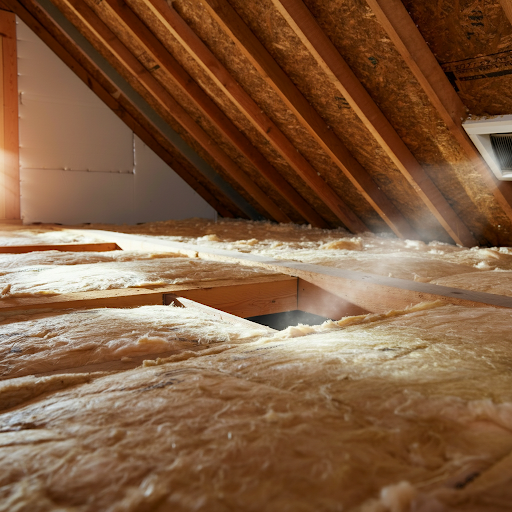
Long-Term Protection Tip #9: Protect Attic and Insulation Spaces
Attics often go unchecked for long periods.
Inspect for:
- Insulation discoloration
- Damp roof decking
- Poor ventilation
Warm attic temperatures combined with humidity create ideal conditions for moisture accumulation.
Proper ventilation reduces condensation risk.
In coastal homes, salt air exposure may accelerate deterioration of ventilation components.
Why Local Coastal Experience Matters
Moisture detection in neighborhoods near Biscayne Bay requires understanding:
- Elevated groundwater behavior
- Salt air corrosion
- Slab construction patterns
- High-rise ventilation systems
- Year-round humidity
What works inland may not fully address these coastal variables.
Professionals familiar with Miami Shores, North Miami Beach, Surfside, and Bal Harbour understand how moisture travels in this environment.
Local expertise ensures detection strategies focus on real risks specific to coastal South Florida.
The Bigger Picture: Prevention Over Remediation
Moisture detection is not about creating concern.
It is about preventing larger issues such as:
- Mold remediation
- Structural wood deterioration
- Flooring replacement
- Indoor air quality problems
Coastal living near Biscayne Bay requires vigilance.
By monitoring humidity, maintaining HVAC systems, inspecting roofs and seals, and scheduling periodic moisture checks, property owners significantly reduce long-term risk.
In South Florida’s climate, prevention is always more manageable than repair.
Moisture may be a constant presence near the bay — but with proactive attention and informed maintenance, it does not have to become a recurring problem.