
Long-Term Protection Tips Related to Mold Remediation in Biscayne Park
Introduction: Why Long-Term Mold Protection Matters
Homes in Biscayne Park benefit from quiet residential streets and close proximity to coastal communities, but property owners here still face the same South Florida challenge as neighboring cities: moisture. Even properties not directly on the waterfront experience high humidity, heavy rainfall, and seasonal storms that can quietly introduce moisture indoors.
Many homeowners only focus on mold remediation once visible growth appears. However, experienced restoration professionals often see mold return when long-term moisture control measures are not addressed. Proper remediation removes contamination, but prevention strategies keep problems from returning.
Understanding how mold remediation works and how to maintain long-term protection helps homeowners, landlords, and property managers preserve both indoor comfort and property value.
What Mold Problems Look Like in Residential Properties
Mold growth begins wherever moisture remains trapped indoors. In Biscayne Park homes, this often results from plumbing leaks, roof seepage, AC condensation, or stormwater intrusion.
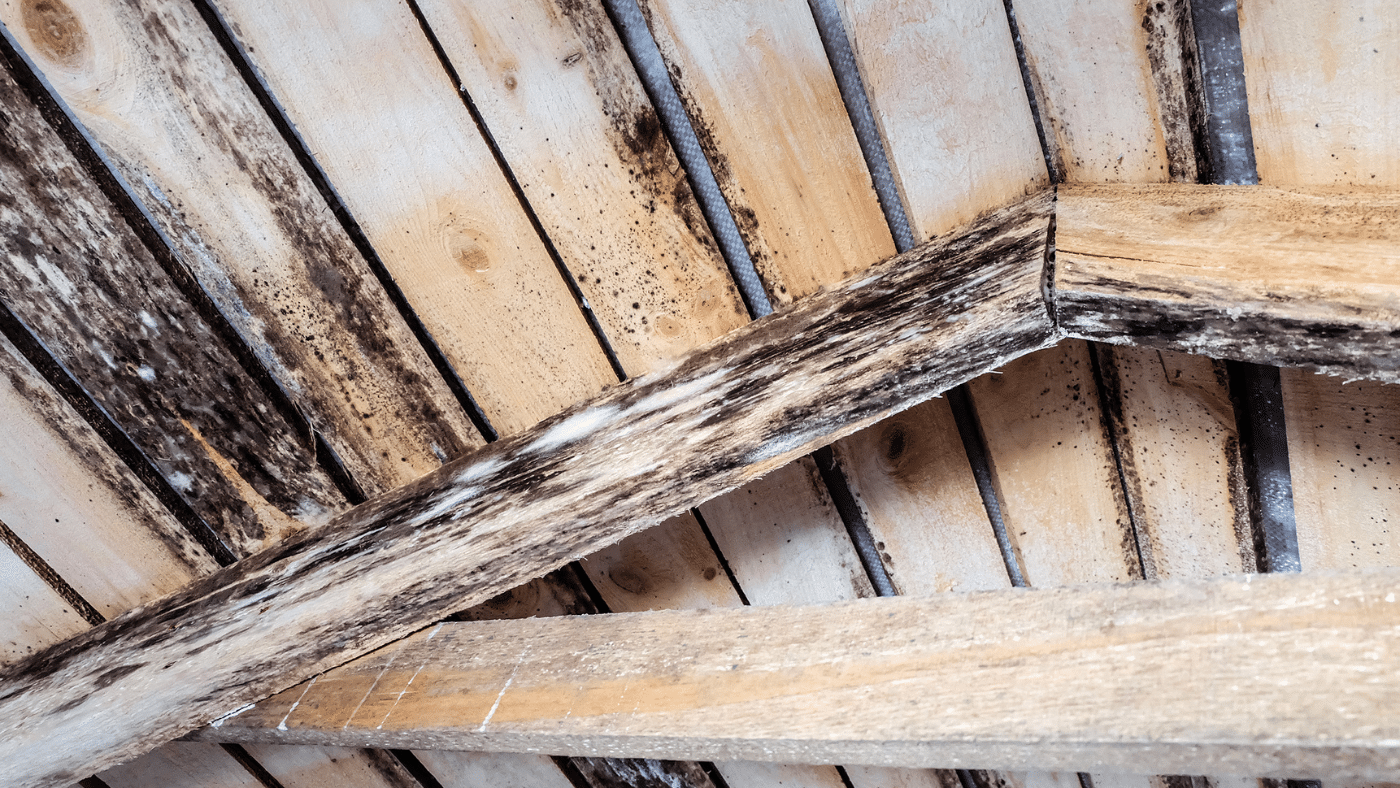
Materials such as drywall, insulation, wood framing, and carpeting absorb moisture easily. When these materials remain damp, mold colonies can begin growing within days, often out of sight.
Because mold frequently spreads behind walls or beneath flooring, property owners may not notice problems until musty odors or discoloration appear. By that stage, remediation is often necessary.
Understanding early warning signs helps homeowners act before contamination spreads extensively.
Why Mold Problems Occur Frequently in Biscayne Park
Although Biscayne Park sits slightly inland compared to communities like Bal Harbour or Sunny Isles Beach, humidity levels remain high year-round. Moist coastal air still affects homes, especially during summer months.
Frequent storms also bring heavy rainfall that can expose weaknesses in roofs, windows, or foundations. Even minor water intrusion can lead to hidden moisture problems.
Older homes common in Biscayne Park may have aging plumbing systems or outdated ventilation designs that contribute to moisture buildup indoors. Poor airflow in closets, bathrooms, and storage spaces further increases mold risks.
These conditions make mold remediation a common service needed across many properties in the area.
Common Warning Signs Homeowners Notice
Mold issues usually develop gradually rather than suddenly. Homeowners often observe subtle changes before realizing remediation is needed.
Common warning signs include persistent musty odors, bubbling paint, ceiling discoloration, and warped flooring. Closets and rooms near exterior walls sometimes feel damp even when air conditioning is running normally.
Condensation forming on windows or vents also signals excess humidity indoors. Some residents notice allergy-like symptoms or increased dust accumulation.
Addressing these signs early helps prevent mold from spreading into larger areas of the home.
Hidden Areas Where Mold Frequently Develops
One of the biggest challenges in mold remediation is discovering contamination in areas homeowners rarely inspect. Professional inspections often uncover mold in unexpected places.
Common hidden locations include behind kitchen and bathroom walls, beneath flooring after unnoticed plumbing leaks, inside attic insulation following roof leaks, and within HVAC duct systems.
Cabinets and closets located along exterior walls often trap moisture due to limited airflow. Because mold grows quietly in these spaces, surface cleaning alone rarely resolves the full issue.
Proper inspections help identify all contaminated areas before remediation begins.
Why DIY Mold Removal Rarely Solves the Problem
Many property owners attempt to remove mold themselves using household cleaners or bleach. While surfaces may appear cleaner temporarily, this approach usually fails to eliminate contamination fully.
Mold penetrates porous materials, meaning surface cleaning does not remove roots inside drywall or wood. Additionally, improper cleaning can spread mold spores to unaffected areas.
Moisture sources often remain unaddressed as well. Without correcting leaks or humidity problems, mold frequently returns.
Professional remediation focuses on safe removal combined with moisture control, ensuring lasting results.
How Professional Mold Inspection and Testing Works
Before remediation begins, professionals conduct inspections to determine how widespread contamination is. Technicians use moisture detection tools to locate hidden damp areas inside structures.
Inspections typically include checking walls, ceilings, attics, crawl spaces, and HVAC systems. In some cases, air or surface samples are collected to measure mold levels.
This process allows remediation teams to focus on affected areas while identifying moisture sources that caused growth in the first place.
Accurate inspections ensure remediation efforts solve the full problem rather than just addressing visible mold.
What Proper Mold Remediation Involves
Professional mold remediation involves isolating contaminated areas to prevent spores from spreading during cleanup. Air filtration systems protect unaffected parts of the home.
Depending on severity, remediation may include removing damaged drywall or insulation, cleaning structural surfaces, and applying treatments to prevent future growth. Thorough drying eliminates moisture that supports contamination.
Moisture sources such as plumbing leaks or ventilation problems are corrected during remediation to reduce recurrence risks.
Restoration teams familiar with South Florida conditions, including Tip Top Water and Fire Damage Restoration, frequently observe that early remediation prevents more extensive structural repairs later.
Proper remediation restores both indoor safety and property integrity.
How Water Damage Leads to Mold Recurrence
Water damage remains one of the leading causes of mold growth in Biscayne Park homes. Even minor leaks or AC drainage issues can create conditions where mold develops quickly.
Stormwater intrusion following heavy rainfall also contributes to mold outbreaks, especially when drying efforts are delayed. Water trapped behind walls or under flooring allows contamination to spread unnoticed.
Professional water removal and structural drying significantly reduce mold risks, but ongoing maintenance is essential to prevent future problems.
HVAC Systems and Mold Spread
Air conditioning systems are essential for comfort in South Florida, but they can also become mold sources if poorly maintained. Condensation buildup inside ducts or around air handlers creates moisture where mold thrives.
Once mold develops inside HVAC systems, spores circulate throughout the home, affecting indoor air quality.
Routine maintenance and duct inspections help prevent these problems. Ensuring proper drainage and airflow greatly reduces contamination risks.
Long-Term Protection Tips for Property Owners
Preventing mold from returning requires consistent attention to moisture control. Property owners should repair leaks immediately, maintain AC systems regularly, and ensure bathrooms and kitchens are properly ventilated.
Monitoring indoor humidity and using dehumidifiers when necessary helps maintain balanced conditions. After storms, homes should be inspected quickly to identify water intrusion before mold begins growing.
Annual inspections also help catch small moisture problems before remediation becomes necessary again.
Preventive maintenance protects both property value and indoor comfort over time.
Why Local Experience Matters in Mold Remediation
Mold remediation challenges differ depending on location and construction styles. Professionals familiar with Biscayne Park properties understand how South Florida humidity and seasonal storms influence moisture conditions.
Teams serving Biscayne Park, North Miami, Miami Shores, and nearby communities recognize common moisture entry points and apply solutions suited to local environments.
Companies like Tip Top Water and Fire Damage Restoration bring practical local experience, helping property owners resolve mold issues efficiently and prevent future recurrence.
Local expertise ensures remediation strategies address real environmental challenges rather than temporary fixes.
A Practical Next Step for Property Owners
If your home shows signs of moisture problems or mold growth, scheduling a professional inspection is a smart preventive step. Early remediation prevents contamination from spreading and reduces long-term repair costs.
For homeowners and property managers in Biscayne Park, proactive maintenance and proper mold remediation protect both indoor comfort and long-term property value. Addressing moisture problems early ensures homes remain healthy while preventing repeated restoration expenses in South Florida’s humid climate.