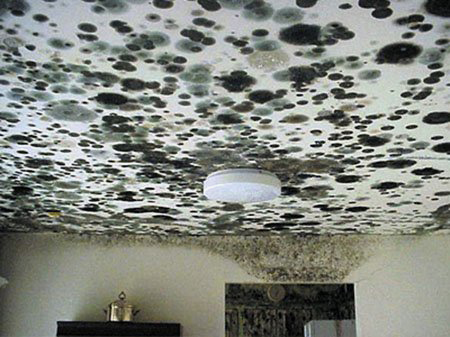
Long-Term Protection Tips Related to Mold Removal in Bayfront Homes in North Miami
Living in a bayfront home in North Miami offers beautiful views and coastal breezes, but it also comes with unique maintenance challenges. One of the most persistent concerns for waterfront properties is mold. High humidity, salt air, heavy rains, and occasional flooding create conditions where moisture can linger inside walls, ceilings, and flooring.
While mold removal can solve an immediate problem, long-term protection requires understanding how mold develops and how to prevent it from returning. Property owners who take preventive steps after remediation often avoid repeated issues and costly repairs.
What Mold Problems in Bayfront Homes Really Involve
Mold grows when moisture remains on organic materials such as drywall, wood, or carpet. In bayfront homes, moisture can enter through many pathways, sometimes without obvious warning signs.
Common sources include:
- Roof leaks during storms
- Plumbing leaks inside walls
- Condensation from air conditioning systems
- Flooding or storm surge
- Poor ventilation in enclosed spaces
Even when visible mold is removed, underlying moisture can remain if not properly addressed, allowing growth to return later.
Why Mold Is So Common in North Miami Bayfront Properties
Coastal conditions make mold more likely to develop and harder to prevent. Bayfront homes near Biscayne Bay are exposed to:
- High humidity year-round
- Warm temperatures that accelerate mold growth
- Salt air that affects building materials
- Wind-driven rain and storms
- Slower drying times after water exposure
Nearby communities such as Miami Shores, Biscayne Park, and Bal Harbour face similar challenges, particularly in homes located close to the shoreline or canals.
Because moisture is part of the environment, long-term protection depends on managing humidity and preventing water intrusion.
Common Signs Mold May Be Returning
After mold removal, homeowners should remain alert for early warning signs. Detecting moisture problems early is the best way to prevent another remediation project.
Signs to watch for include:
- Musty odors returning in certain rooms
- Dark spots on walls or ceilings
- Increased indoor humidity
- Paint peeling or bubbling
- Damp carpeting or flooring
These signs often appear before visible mold spreads, making early inspection important.
Hidden Areas Where Mold Often Reappears
In bayfront homes, mold frequently develops in areas that are not part of daily living spaces.
Common hidden locations include:
- Behind drywall near plumbing lines
- Inside air ducts and vents
- Beneath carpets and padding
- Attic insulation
- Closets and storage areas with limited airflow
Because these areas receive little ventilation, moisture can remain trapped for long periods.
Why Moisture Control Is the Key to Long-Term Protection
Removing mold without addressing moisture sources is one of the most common reasons problems return. Long-term protection focuses on preventing conditions where mold can grow again.
Effective moisture control includes:
- Repairing leaks promptly
- Improving ventilation
- Maintaining HVAC systems
- Monitoring humidity levels
In coastal environments, maintaining indoor humidity below recommended levels significantly reduces mold risk.
The Role of Professional Mold Inspection After Removal
After mold removal, a follow-up inspection can help confirm that moisture levels are safe and that no hidden contamination remains.
A professional inspection may include:
- Moisture readings in walls and floors
- Thermal imaging to locate hidden damp areas
- Air quality checks when needed
- Evaluation of ventilation systems
These steps provide reassurance that the remediation process was successful and that conditions are no longer favorable for mold growth.
Companies such as Tip Top Water and Fire Damage Restoration often perform post-remediation inspections in North Miami, helping homeowners confirm that their properties are fully dry and safe.
Protecting HVAC Systems and Air Ducts
Air conditioning systems play a major role in indoor humidity control. However, they can also contribute to mold problems if condensation accumulates.
To protect HVAC systems:
- Clean or replace filters regularly
- Inspect condensate drain lines
- Keep air handlers clean and dry
- Schedule periodic duct inspections
In bayfront homes, ducts located in attics or ceiling cavities are particularly vulnerable to moisture.
Preventing Water Intrusion After Storms
Storms are one of the leading causes of mold problems in coastal homes. Taking preventive steps after heavy rain or hurricanes can reduce long-term damage.
Helpful measures include:
- Inspect roofs and flashing after storms
- Check ceilings and walls for stains
- Dry any wet areas immediately
- Ensure gutters and drains are clear
- Monitor humidity levels indoors
Quick action after storms often prevents moisture from remaining long enough to support mold growth.
Flooring, Carpets, and Hidden Moisture
Carpets and flooring materials can trap moisture, especially after minor flooding or leaks. Even when surfaces appear dry, padding and subflooring may remain damp.
To protect flooring:
- Dry wet carpets promptly
- Use dehumidifiers after water exposure
- Inspect baseboards and edges for dampness
- Replace severely saturated materials when necessary
These steps help prevent mold from developing beneath flooring materials where it is difficult to detect.
The Importance of Ventilation
Ventilation plays a major role in preventing mold recurrence. Areas with poor airflow are more likely to retain moisture.
Improving ventilation can include:
- Using exhaust fans in bathrooms and kitchens
- Keeping closet doors slightly open in humid conditions
- Ensuring attic ventilation is functioning properly
- Allowing airflow around furniture near exterior walls
Even small improvements in airflow can significantly reduce humidity buildup.
Why Local Experience Matters
Mold prevention in coastal South Florida requires an understanding of how humidity, building materials, and weather patterns interact. Bayfront homes in North Miami often experience slower drying times and higher indoor moisture levels than inland properties.
Professionals familiar with North Miami, Sunny Isles Beach, Surfside, and Biscayne Park understand:
- Where moisture commonly accumulates
- How coastal weather affects building materials
- Which areas of homes are most vulnerable
- How to manage humidity effectively
Tip Top Water and Fire Damage Restoration has worked extensively in these communities, where mold removal is often followed by preventive steps to protect homes from future growth.
A Calm, Practical Next Step
Mold removal is only the first step in protecting a home. Long-term prevention depends on moisture control, regular inspections, and prompt repairs when leaks or humidity issues arise.
For property owners in bayfront homes in North Miami, staying proactive helps prevent mold from returning and protects both the structure of the home and the quality of the indoor air. With proper maintenance and attention to moisture, mold problems can remain a one-time issue rather than a recurring one.